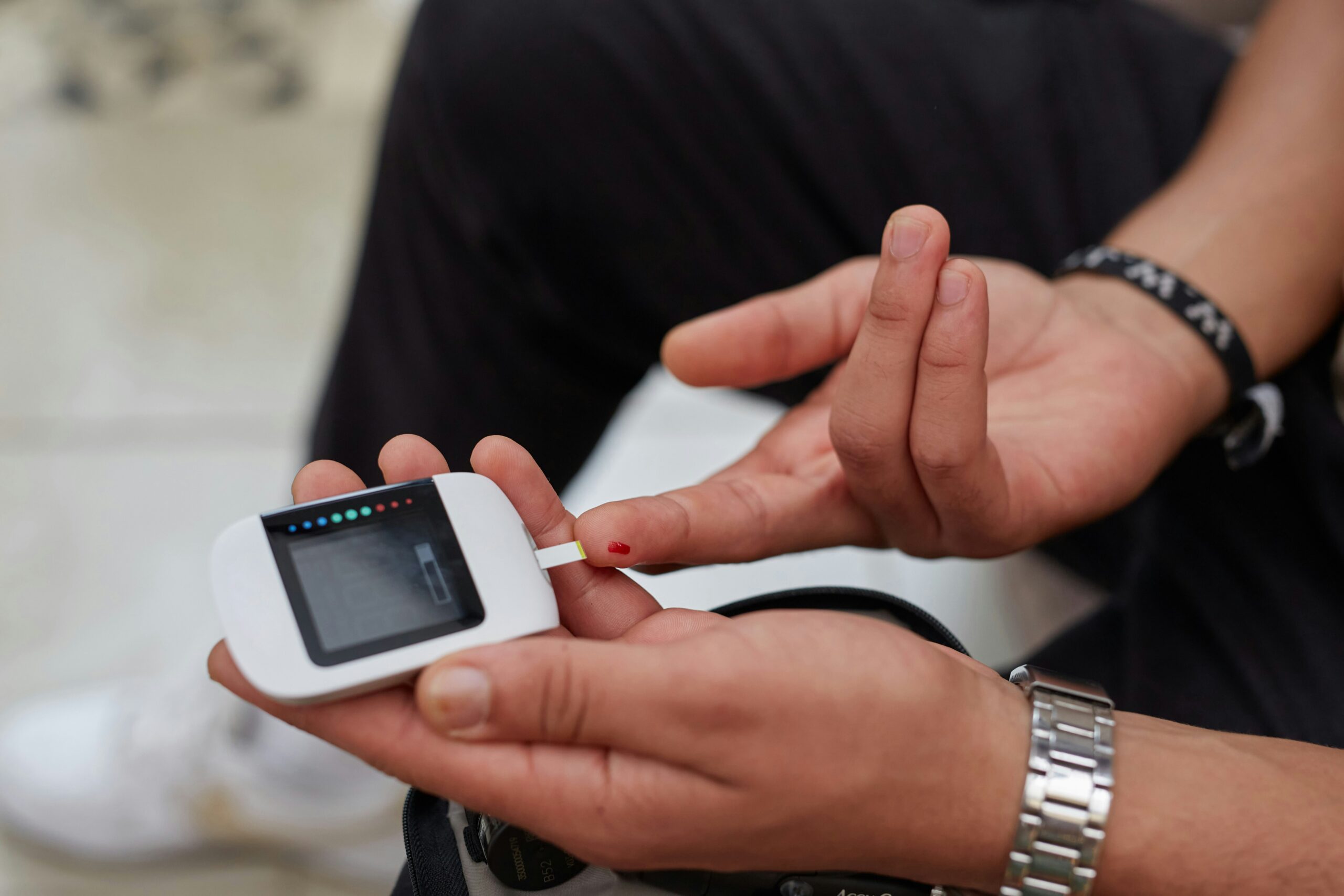
Health Is Wealth: Why Managing Blood Sugar Is Just as Important as Managing Your Money
When people talk about success, they usually separate it into neat boxes: health on one side, money on the other. In reality, those two areas are deeply connected. If your health is off—especially your blood sugar—your finances often feel the impact sooner or later. Energy crashes, brain fog, missed workdays, rising medical bills, and burnout all come with a cost.
Blood sugar management isn’t just a medical issue for people with diabetes. It affects entrepreneurs, professionals, gig workers, and anyone trying to stay productive and focused in a demanding world. Just like poor money management leads to debt and stress, poor blood sugar management quietly drains your performance and earning potential.
In this article, we’ll break down what blood sugar really is, why it matters beyond your health, and how managing it is one of the smartest long-term investments you can make in both your body and your financial future.
What Blood Sugar Really Is (Without the Medical Jargon)
At its simplest, blood sugar refers to the amount of glucose circulating in your bloodstream. Glucose comes primarily from the foods you eat, especially carbohydrates. Your body uses this glucose as fuel to power your brain, muscles, and organs.
When blood sugar rises after a meal, your pancreas releases insulin. Insulin’s job is to help move glucose out of the bloodstream and into your cells, where it can be used for energy or stored for later. When this system works smoothly, you feel steady, focused, and energized.
Problems start when blood sugar rises too high too often or crashes too low. Over time, frequent spikes can lead to insulin resistance, where your cells stop responding efficiently to insulin. This is when energy drops, cravings increase, and long-term health risks begin to grow.
You don’t need to memorize lab values to understand the takeaway: stable blood sugar equals stable energy, mood, and performance.
The Hidden Cost of Poor Blood Sugar Control
High or unstable blood sugar doesn’t usually announce itself with dramatic symptoms at first. Instead, it chips away at your day in subtle but costly ways.
You might notice:
- Midday energy crashes that kill productivity
- Brain fog that makes decision-making harder
- Irritability and mood swings
- Strong cravings that derail healthy habits
- Difficulty staying consistent with work or workouts
Over time, these issues add up. Missed deadlines, reduced output, and inconsistent performance can directly affect income. On the long-term side, unmanaged blood sugar increases the risk of chronic conditions that bring ongoing medical expenses and time away from work.
Think of poor blood sugar control like hidden fees on a bank account. You may not notice them immediately, but they slowly drain your balance.
Why Entrepreneurs and High Performers Are Especially Vulnerable
If you’re building a business or juggling multiple responsibilities, your lifestyle may unintentionally push your blood sugar in the wrong direction.
Common habits include skipping meals, relying on caffeine and sugar for quick energy, sitting for long periods, and running on limited sleep. Stress hormones like cortisol also raise blood sugar, which means constant pressure and deadlines can compound the problem.
Many high performers pride themselves on pushing through fatigue, but that approach often backfires. When blood sugar is unstable, the body operates in survival mode rather than peak performance mode.
Ironically, the people who need consistent energy and focus the most are often the ones neglecting the basics that support it.
Blood Sugar Management and Money Management: The Perfect Comparison
Managing blood sugar is a lot like managing your finances. Small, consistent habits matter more than dramatic short-term fixes.
When you overspend financially, you may feel fine at first, but the consequences show up later. The same is true with blood sugar spikes from constant sugary snacks or oversized meals. The crash always comes.
On the flip side, steady budgeting builds financial security. Steady blood sugar habits—balanced meals, movement, and rest—build physical and mental stability.
Just as there’s no shortcut to long-term wealth, there’s no shortcut to long-term metabolic health. Both reward patience, planning, and consistency.
The Long-Term Financial Impact of Ignoring Blood Sugar
Ignoring blood sugar issues doesn’t just affect how you feel today; it can shape your financial future.
Long-term consequences may include:
- Higher healthcare costs
- Reduced work capacity as you age
- More sick days and medical appointments
- Dependence on medications that could have been delayed or avoided
From a financial perspective, prevention offers one of the best returns on investment available. Simple daily habits cost little but can save thousands over time while preserving your ability to earn.
The Good News: Blood Sugar Is Highly Responsive to Lifestyle
The encouraging news is that blood sugar responds quickly to positive changes. You don’t need extreme diets, expensive supplements, or perfection.
Simple actions like eating balanced meals, moving your body regularly, and prioritizing sleep can make a noticeable difference in how you feel within days or weeks.
For many people, these changes improve energy, focus, and mood long before any lab numbers are checked. That alone can transform daily performance.
Movement Is Medicine: How Exercise Helps Lower Blood Sugar
When your muscles contract, they act like a sponge, pulling glucose out of the bloodstream and using it for energy. This process can happen even without insulin, which is why exercise is so powerful for blood sugar control.
Both resistance training and cardio help, but the key is consistency. Movement doesn’t have to be intense or time-consuming to be effective.
Even a short walk after meals can significantly reduce post-meal blood sugar spikes. Strength training builds muscle, which increases your body’s capacity to store and use glucose over time.
Strength Training vs. Cardio: Do You Really Need to Choose?
You don’t need to pick sides. Strength training and cardio work best together.
Strength training improves insulin sensitivity and builds muscle mass, creating a larger “storage space” for glucose. Cardio improves circulation, heart health, and immediate glucose usage.
For busy schedules, a mix works well:
- Short walks after meals
- Two to three strength sessions per week
- Light activity on rest days
This balanced approach supports both short-term blood sugar control and long-term metabolic health.
Daily Habits That Support Stable Blood Sugar
Blood sugar stability isn’t built in the gym alone. Daily habits play a major role.
Helpful strategies include:
- Eating protein with every meal to slow glucose absorption
- Pairing carbohydrates with fiber and healthy fats
- Staying hydrated throughout the day
- Prioritizing consistent sleep schedules
- Avoiding long stretches of sitting without movement
None of these habits require perfection. They simply require awareness and repetition.
Warning Signs Your Blood Sugar May Be Hurting Your Productivity
Many people live with unstable blood sugar without realizing it’s the root cause of how they feel.
Common signs include:
- Needing caffeine just to function
- Crashing hard in the afternoon
- Constant snacking or sugar cravings
- Feeling mentally “off” or unfocused
While these symptoms don’t replace medical diagnosis, they are signals worth paying attention to.
Health Is Wealth: Why Prevention Pays the Best Returns
Just like investing early builds wealth faster, investing in your health early pays compounding dividends.
Stable blood sugar supports:
- Consistent energy and focus
- Better emotional regulation
- Longer productive years
- Greater control over your future
When your body works with you instead of against you, everything else becomes easier.
Conclusion: Manage Your Health Like You Manage Your Money
You wouldn’t ignore your finances and hope everything works out. Your health deserves the same level of attention and respect.
Managing blood sugar doesn’t require obsession or fear. It requires small, smart decisions made consistently over time. When you take care of your health, you protect your energy, your income, and your ability to build the life you want.
Health truly is wealth—and blood sugar management is one of the most underrated investments you can make.
Frequently Asked Questions
Can you improve blood sugar without medication?
For many people, yes. Lifestyle changes like movement, balanced meals, stress management, and sleep can significantly improve blood sugar control, especially in early stages.
How fast does exercise lower blood sugar?
Blood sugar can begin dropping during or shortly after exercise, particularly when large muscle groups are involved.
Is walking enough to help blood sugar?
Yes. Walking after meals is one of the most effective and accessible ways to reduce blood sugar spikes.
Do you need to check your blood sugar to benefit?
No. Many people notice improvements in energy and focus before ever checking a number.
Who should talk to a doctor before making changes?
Anyone with diagnosed diabetes, on glucose-lowering medications, or with other health conditions should consult a healthcare provider before making significant changes.