When the Heart Stops, Time Matters: How CPR Buys the Brain a Second Chance
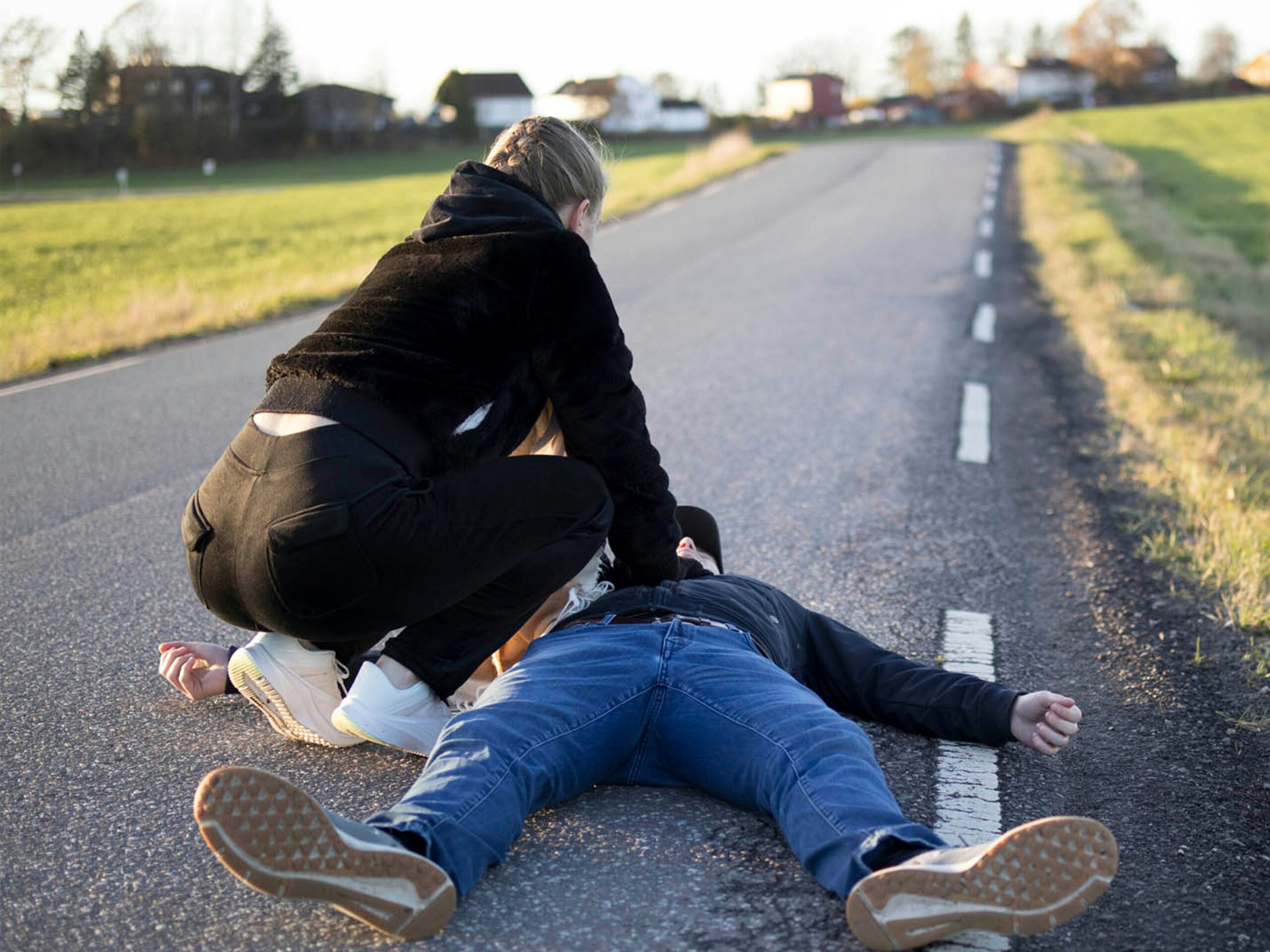
Cardiac arrest doesn’t announce itself with dramatic warning signs. One moment, someone is standing, talking, or walking—and the next, they collapse. No pulse. No effective breathing. No time to waste. In those critical moments, the difference between life and death often comes down to whether someone nearby knows what to do and is willing to act.
This is why CPR matters so much. Not tomorrow. Not when the ambulance arrives. Immediately. When the heart stops, time becomes the most valuable—and unforgiving—resource. CPR doesn’t just save lives; it protects the brain, preserves dignity, and gives someone a real chance at recovery.
In this article, we’ll break down what really happens during cardiac arrest, why the brain is so vulnerable, how CPR works, and why everyday people—not just medical professionals—are the true first responders.
What Really Happens When the Heart Stops
Cardiac arrest occurs when the heart suddenly stops pumping blood effectively. Unlike a heart attack, which is caused by a blockage, cardiac arrest is an electrical failure. The heart’s rhythm becomes chaotic or stops altogether, cutting off blood flow to the brain and vital organs.
When circulation stops, oxygen delivery stops too. The brain, which relies on a constant supply of oxygen-rich blood, begins to shut down almost immediately. Without intervention, this chain reaction leads to unconsciousness, organ failure, and death.
This is why cardiac arrest is so dangerous outside of a hospital setting. Emergency medical services do an incredible job, but even the fastest response times often can’t beat the clock without help from bystanders.
Cardiac Arrest vs. Heart Attack
Many people use these terms interchangeably, but they are not the same. A heart attack is a circulation problem; cardiac arrest is an electrical problem. A heart attack can lead to cardiac arrest, but cardiac arrest can happen without warning, even in people who appear healthy.
Understanding this difference matters because cardiac arrest requires immediate CPR and often defibrillation to restore a survivable rhythm.
The Brain Is on a Countdown Clock
The brain is incredibly powerful, but it’s also fragile. Once deprived of oxygen, brain cells begin to suffer irreversible damage within minutes.
Here’s what that timeline generally looks like:
- 0–2 minutes: Loss of consciousness
- 3–4 minutes: Brain cells begin to suffer injury
- 5–6 minutes: High risk of permanent brain damage
- 8–10 minutes: Severe brain injury or death likely
These numbers aren’t meant to scare you—they’re meant to emphasize urgency. Every second without circulation increases the likelihood of long-term neurological damage. CPR slows this process by delivering just enough blood flow to keep brain tissue alive until advanced care arrives.
What CPR Actually Does for the Body
One of the biggest misconceptions about CPR is that it “restarts” the heart. In reality, CPR does something just as important: it manually circulates blood.
By pushing on the chest, you compress the heart between the sternum and the spine, forcing blood out to the brain and organs. When you release, the heart refills. This simple mechanical action keeps oxygen moving and prevents total shutdown.
CPR is not a cure. It is a bridge—a way to buy time until defibrillation, medication, or advanced life support can correct the underlying rhythm problem.
Why Doing Something Is Always Better Than Doing Nothing
Many people hesitate because they’re afraid of doing CPR “wrong.” The truth is, imperfect CPR is far better than no CPR at all. Even shallow or inconsistent compressions can significantly increase survival chances compared to waiting passively.
High-Quality CPR: Small Details, Big Impact
While any CPR helps, high-quality CPR saves more lives. That means:
- Compressing at least 2 inches deep for adults
- Pushing at a rate of 100–120 compressions per minute
- Allowing full chest recoil between compressions
- Minimizing interruptions
Hands-only CPR—compressions without rescue breaths—is recommended for most adults in sudden collapse scenarios. It’s easier to remember, easier to perform, and highly effective in the first critical minutes.
CPR and AEDs: A Life-Saving Partnership
CPR keeps blood flowing, but an AED (Automated External Defibrillator) often provides the reset the heart needs. AEDs don’t “jumpstart” a flatline. Instead, they stop chaotic electrical activity, allowing the heart’s natural pacemaker to regain control.
Modern AEDs are designed for public use. They talk you through every step, analyze the rhythm automatically, and will not deliver a shock unless it’s needed.
CPR plus early AED use can increase survival rates dramatically—especially in witnessed cardiac arrests.
Survival Depends on Speed, Not Luck
Overall survival rates for out-of-hospital cardiac arrest hover around 10%. That number jumps significantly when CPR is started immediately and an AED is used quickly.
In environments like airports, casinos, and sports arenas—where trained responders and AEDs are readily available—survival rates can reach 40–50%.
The takeaway is clear: early action saves lives.
Why People Hesitate to Perform CPR
Most people don’t freeze because they don’t care. They freeze because they’re afraid.
- Fear of doing it wrong
- Fear of causing injury
- Fear of legal consequences
- Fear of disease transmission
Good Samaritan laws protect people who provide reasonable emergency care. And tools like barrier masks make rescue breathing safer and more comfortable.
Being Prepared: Simple Tools That Make a Difference
Preparation doesn’t require a medical degree. It requires awareness and a few practical tools.
One highly recommended item to keep in your car, workplace, or emergency bag is the:
-
Adult and Infant CPR Mask Combo Kit – Includes 2 CPR masks with one-way valves, a pair of vinyl gloves, and alcohol prep pads. This portable emergency CPR kit offers added protection and confidence for both adult and infant resuscitation situations.
View on Amazon
Having a CPR mask removes one of the biggest psychological barriers to action and makes rescue breathing safer if it’s needed.
What to Do If Someone Collapses
If you ever find yourself in this situation, remember three simple steps:
- Check: Is the person responsive and breathing normally?
- Call: Call 911 or direct someone else to do it.
- Compress: Start chest compressions hard and fast.
If an AED is nearby, send someone to get it immediately and continue CPR until it arrives.
Why Learning CPR Is One of the Most Powerful Skills You Can Have
CPR is one of the few skills that can instantly turn an ordinary person into a lifesaver. You don’t need perfection. You need presence, courage, and action.
Training is widely available, refreshers are quick, and the impact is enormous. When more people are prepared, more lives are saved.
Frequently Asked Questions
How long can the brain survive without CPR?
Brain injury can begin within 4–6 minutes without oxygen. CPR helps extend that window by maintaining partial blood flow.
Can CPR restart the heart?
No. CPR circulates blood. Defibrillation or advanced medical care is typically needed to restore a normal rhythm.
Is hands-only CPR effective?
Yes. For adults who suddenly collapse, hands-only CPR is highly effective and recommended for untrained bystanders.
Can I hurt someone by doing CPR?
Broken ribs can happen, but they are far less serious than death or brain damage. Doing CPR is always the better option.
Do I need training to use an AED?
No. AEDs are designed for public use and provide clear voice instructions.
Final Thoughts: Time Is the Only Thing You Can’t Replace
When the heart stops, waiting is not neutral—it’s dangerous. CPR buys the brain a second chance, and that chance depends on everyday people stepping up.
You don’t need to be perfect. You don’t need to be fearless. You just need to act.
Because when time matters most, your hands can be the difference.