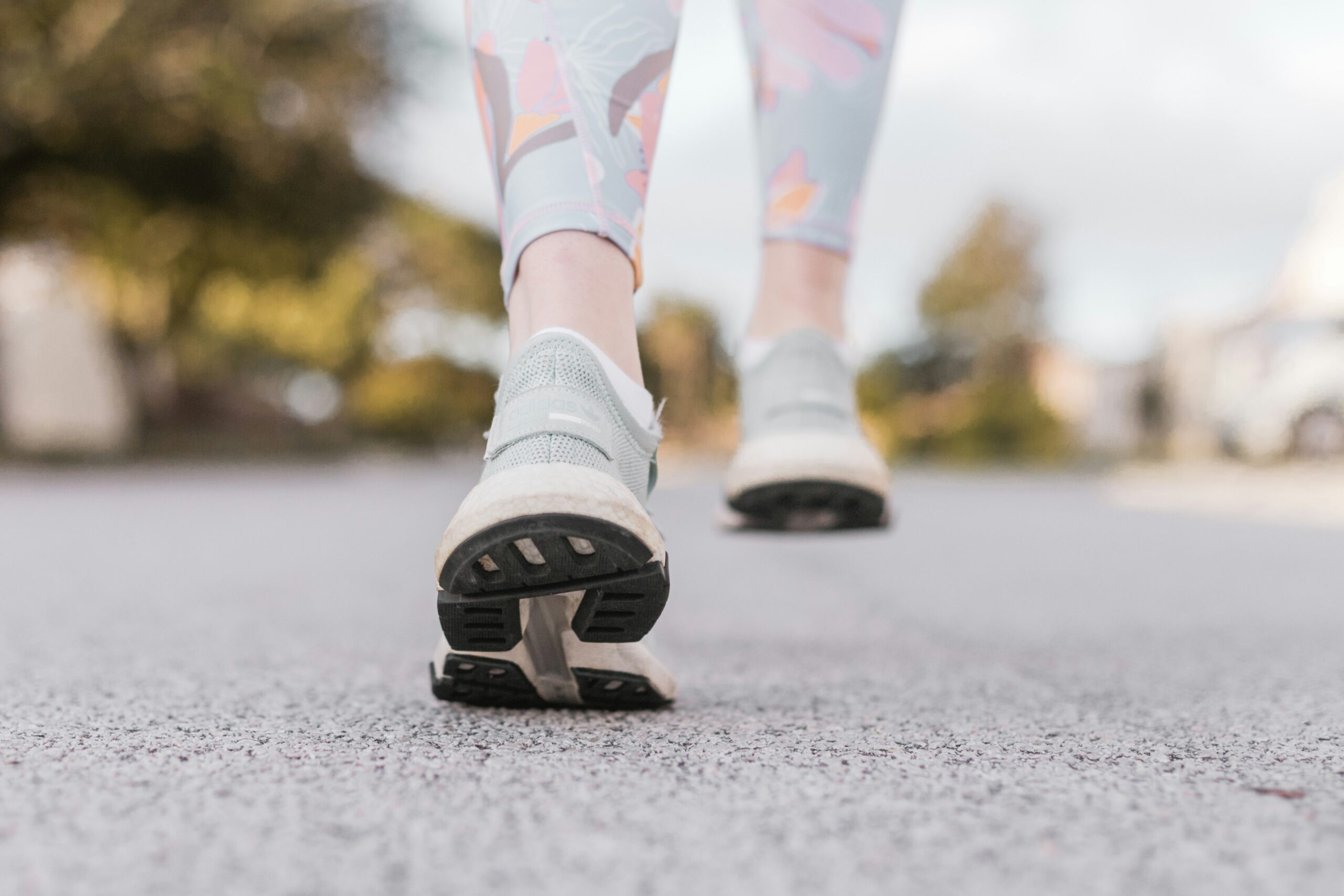
Why Outdoor Miles Hit Different Than Treadmill Miles
If you’ve ever finished a mile on the treadmill feeling decent, then stepped outside and struggled to hit that same distance, you’re not imagining things. A mile may be a mile on paper, but your body, mind, and muscles experience outdoor miles very differently than treadmill miles.
This question comes up constantly among walkers, runners, and everyday fitness enthusiasts: Why does running or walking outside feel harder than doing the same distance on a treadmill? The answer lies in biomechanics, environment, mental engagement, and real-world movement demands.
In this article, we’ll break down exactly why outdoor miles hit different, when treadmill miles still make sense, and how to use both strategically to improve fitness, endurance, and overall health.
The Simple Truth: A Mile Measures Distance, Not Effort
A mile is simply a measurement of distance—5,280 feet. What it does not measure is effort, resistance, terrain, or environmental factors. This distinction matters more than most people realize.
On a treadmill, the belt moves beneath you at a controlled speed. Outdoors, your body must generate every ounce of forward motion on its own. That difference alone changes how hard your muscles, joints, and cardiovascular system have to work.
In other words, the distance is equal, but the workload is not.
Why Outdoor Miles Demand More Physical Effort
Outdoor movement introduces variables that simply don’t exist on a treadmill. These variables force your body to work harder in subtle but meaningful ways.
You Propel Yourself Forward
When you move outdoors, your legs are responsible for pushing your body forward with every step. On a treadmill, the belt helps pull your foot backward, reducing the need for full propulsion.
This difference increases activation in key muscle groups outdoors, including:
- Glutes
- Hamstrings
- Calves
- Hip stabilizers
That added engagement is one reason outdoor miles feel more demanding—and more rewarding.
Wind Resistance Adds Invisible Difficulty
Even on calm days, moving through open air creates resistance. Wind doesn’t need to be strong to increase effort; light resistance forces your body to expend more energy to maintain pace.
On a treadmill, there is zero air resistance unless you’re using a fan, and even then it doesn’t replicate real wind dynamics.
Terrain Keeps Your Body Guessing
Outdoor surfaces are rarely perfectly flat. Small inclines, declines, sidewalk cracks, uneven pavement, gravel, and grass all require constant micro-adjustments.
Your stabilizer muscles—especially in your ankles, knees, and core—work overtime outdoors, contributing to higher fatigue and greater functional strength development.
Why Treadmill Miles Often Feel Easier
Treadmills are designed for consistency and control, which can make them feel easier, especially for beginners.
The Moving Belt Reduces Workload
The treadmill belt assists with backward foot motion, meaning your legs don’t have to generate as much force per stride. This mechanical advantage lowers overall muscular demand.
That doesn’t make treadmill workouts useless—it simply means they’re different.
A Predictable, Controlled Environment
Treadmills eliminate environmental stressors such as:
- Wind
- Weather
- Terrain changes
- Unexpected obstacles
This consistency allows for steady pacing and controlled heart rate zones, which can be beneficial for certain training goals.
No Natural Inclines Unless You Add Them
Unless you manually adjust incline, most treadmills default to a flat surface. Outdoors, elevation changes are unavoidable and add significant cardiovascular demand.
Fitness experts often recommend setting treadmill incline to 1% to better simulate outdoor conditions.
Muscle Activation: Outdoor Miles Engage More of Your Body
Outdoor miles recruit more muscles because your body must constantly adapt.
Running or walking outside engages:
- Core muscles for balance
- Ankle stabilizers for uneven ground
- Hip muscles for directional control
Over time, this leads to better coordination, improved balance, and stronger movement patterns that translate into daily life.
Calories Burned: Why Outdoor Miles Often Burn More
Calories burned depend on effort, not just distance. Because outdoor miles require greater muscular activation and cardiovascular response, they often burn more calories than treadmill miles at the same pace.
Fitness trackers may underestimate outdoor effort because they can’t fully account for terrain, wind, and surface variability.
This explains why two identical “miles” can leave you feeling very different afterward.
The Mental Side of Outdoor vs Treadmill Miles
Physical effort is only part of the equation. Mental engagement plays a major role in how hard a mile feels.
Outdoor Miles Keep Your Brain Engaged
Changing scenery, traffic awareness, navigation, and environmental cues keep your brain active. This mental engagement can make outdoor miles feel more stimulating—even when they’re physically harder.
Treadmill Miles Can Feel Mentally Draining
Staring at a wall or screen while repeating the same motion can increase perceived effort due to boredom. Many people quit treadmill workouts not because of physical fatigue, but mental exhaustion.
Functional Fitness: Why Outdoor Miles Translate Better to Real Life
Outdoor movement better reflects real-world demands. Walking across a parking lot, hiking, chasing kids, or navigating stairs all require adaptability—something treadmills don’t train as effectively.
Outdoor miles improve:
- Balance
- Coordination
- Reaction time
- Joint resilience
This makes outdoor walking and running especially valuable for long-term health.
When Treadmill Miles Still Make Sense
Despite their differences, treadmills absolutely have a place in a well-rounded fitness routine.
Treadmill miles are ideal for:
- Bad weather days
- Rehabilitation or injury recovery
- Beginner runners building confidence
- Heart rate zone training
The key is understanding their purpose—not expecting them to feel identical to outdoor miles.
How to Make Treadmill Miles More Like Outdoor Miles
If you rely on a treadmill but want more realistic effort, small adjustments can make a big difference.
- Set incline to 1%
- Vary speed periodically
- Avoid holding the handrails
- Incorporate intervals or hills
These changes increase engagement and better mimic outdoor conditions.
Outdoor vs Treadmill: Which One Is Better?
The truth is simple: the best workout is the one you’ll do consistently.
Outdoor miles build functional strength and resilience. Treadmill miles provide safety, convenience, and control. Using both strategically allows you to stay active year-round without burnout.
Common Myths About Outdoor and Treadmill Miles
One of the biggest myths in fitness is that all miles are equal. Another is that treadmill miles “don’t count.” Both are wrong.
Each type of mile serves a purpose. The mistake is assuming they should feel the same.
Tips for Transitioning From Treadmill to Outdoor Miles
If you’re new to outdoor walking or running, expect an adjustment period.
- Slow your pace initially
- Reduce distance at first
- Wear appropriate footwear
- Focus on effort, not speed
Your body will adapt quickly with consistency.
Frequently Asked Questions
Is a treadmill mile the same as an outdoor mile?
Distance-wise, yes. Effort-wise, no. Outdoor miles typically require more energy due to terrain, wind, and self-propulsion.
Should I stop using the treadmill?
No. Treadmills are useful tools, especially for beginners, recovery days, and controlled training.
Why is my pace slower outdoors?
Outdoor variables increase effort, making it harder to maintain treadmill speeds.
Do outdoor miles burn more calories?
Often, yes—especially when terrain and wind are involved.
How many treadmill miles equal one outdoor mile?
There’s no exact conversion. Focus on time, effort, and heart rate rather than distance alone.
Final Thoughts: Not All Miles Are Created Equal
A mile will always be 5,280 feet—but how it feels depends on where and how you move. Outdoor miles challenge your body in ways treadmills can’t fully replicate, while treadmills offer consistency and convenience that keep you active.
Instead of debating which is better, use both intelligently. Every mile—indoors or outdoors—moves you closer to better health.