Why Are People Burping Their Houses? This Home Trend Is Everywhere
If you’ve recently heard someone say they’re “burping” their house, you might have laughed, paused, or wondered if you missed a memo. The phrase sounds strange—almost funny—but it’s quickly becoming one of the most talked-about home habits among homeowners, renters, and even real estate professionals.
So no, people aren’t doing anything weird to their homes. Instead, they’re responding to a real issue caused by modern living: homes that are sealed so tightly they can’t breathe. Burping your house is simply about restoring balance—letting trapped air out, bringing fresh air in, and improving comfort, health, and air quality.
In this guide, we’ll break down exactly what house burping is, why it’s trending everywhere, when it helps (and when it doesn’t), and how you can do it safely. By the end, you’ll understand why this simple habit is here to stay.
What Does “Burping a House” Actually Mean?
Despite how it sounds, burping a house has nothing to do with plumbing or gas lines. In plain terms, burping your house means intentionally releasing stale, trapped indoor air and replacing it with fresh outdoor air.
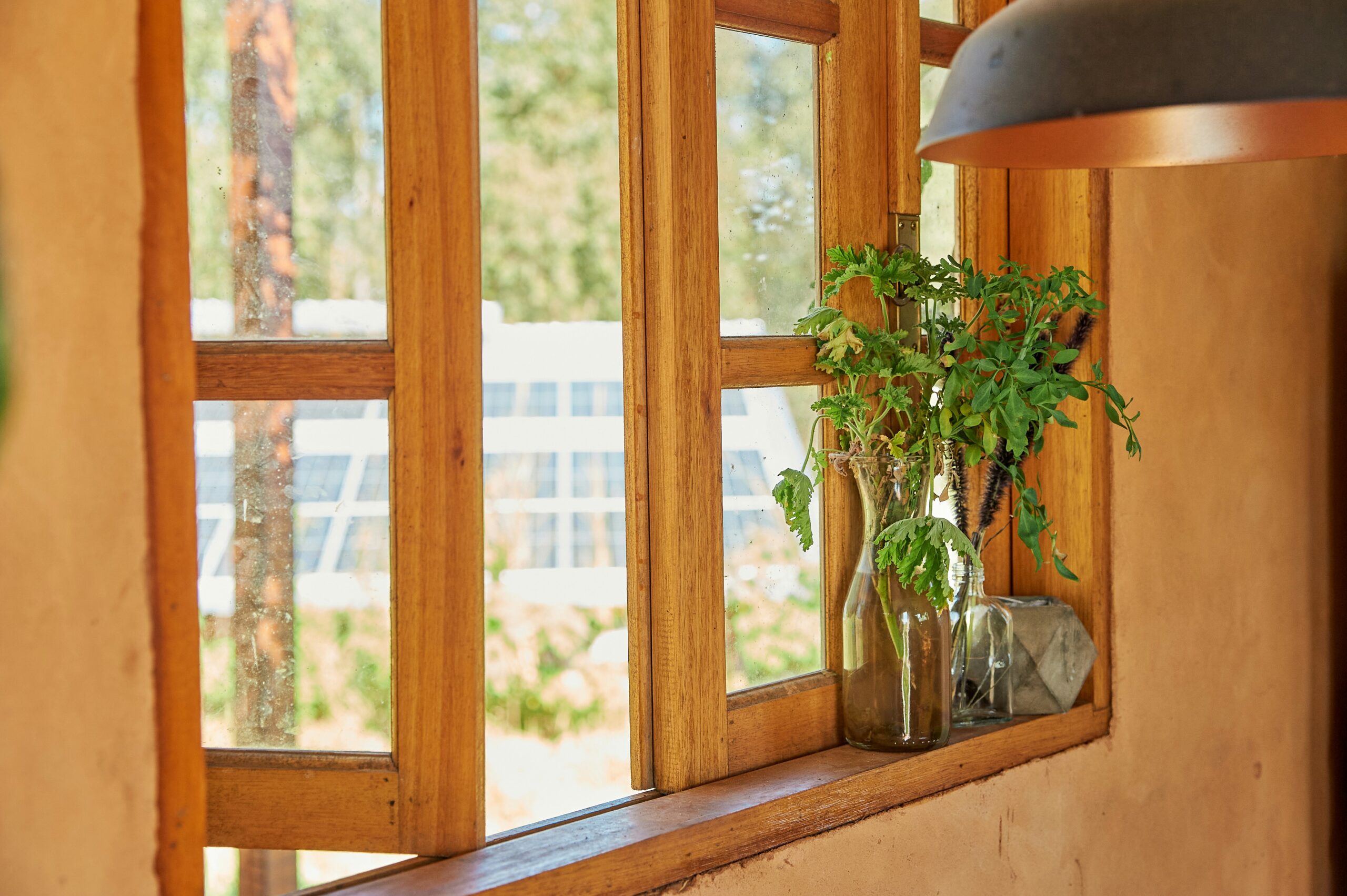
This usually involves opening windows or doors for a short period of time to equalize air pressure and improve airflow. Think of it like cracking the lid on a tightly sealed jar—you’re not changing the jar, just relieving the pressure inside.
Unlike randomly opening a window, burping is often done:
- With intention (specific timing and duration)
- To solve a problem like stale air or humidity
- As part of a healthy home routine
In other words, it’s not about airing out your house once in a while—it’s about understanding how air behaves inside modern homes.
Why Is This Home Trend Everywhere Right Now?
House burping didn’t suddenly appear out of nowhere. It’s a response to how our homes—and our lifestyles—have changed over the last few decades.
Modern Homes Are Built to Be Airtight
Today’s homes are designed to be energy-efficient. Builders seal gaps, insulate aggressively, and install high-performance windows to keep heating and cooling costs down. While this saves money, it also reduces natural airflow.
Older homes “leaked” air constantly. New homes don’t—and that’s where problems can start.
People Spend More Time Indoors Than Ever
Remote work, home gyms, streaming entertainment, and online shopping mean we’re inside more often. The more time people spend indoors, the more noticeable poor air quality becomes.
Social Media and Home Influencers Spread the Word
Home improvement creators, HVAC professionals, and wellness influencers have made “burping your house” a viral talking point. And once people try it and feel the difference, they share it.
The Hidden Problem With Airtight Homes
Airtight homes aren’t bad—they’re just incomplete without proper ventilation. When air gets trapped, so do things like:
- Moisture from cooking and showers
- Odors from pets and food
- Dust, allergens, and pollutants
- Carbon dioxide from breathing
Over time, this buildup can make a home feel stuffy, uncomfortable, or even unhealthy. Burping helps reset the indoor environment.
Air Pressure: The Invisible Force Inside Your Home
One of the biggest reasons burping works is air pressure. Homes naturally develop either positive or negative pressure depending on temperature, ventilation, and appliance use.
Signs of Air Pressure Problems
- Doors that slam or stick
- Whistling or popping noises
- Drafts even when windows are closed
- Fireplace backdrafts
Opening windows briefly allows pressure to equalize, which often fixes these issues almost instantly.
Moisture Buildup: The Silent Trouble Maker
Everyday activities add moisture to the air—showers, laundry, cooking, and even breathing. In airtight homes, that moisture has nowhere to go.
When humidity builds up, it can lead to:
- Condensation on windows
- Musty smells
- Mold growth behind walls or furniture
- Damage to wood and drywall
Burping your house helps release excess moisture before it becomes a bigger issue.
Indoor Air Quality and Your Health
Here’s a surprising fact: indoor air can be more polluted than outdoor air. That’s because pollutants get trapped and recirculated.
Common indoor air pollutants include:
- Dust and pet dander
- Smoke and cooking fumes
- Cleaning chemicals
- Pollen and outdoor allergens
People often notice fewer headaches, better sleep, and improved breathing after regularly refreshing indoor air.
Using an Air Purifier Alongside House Burping
While burping your house brings in fresh air, air purifiers help clean the air that stays inside. Many homeowners pair the two for the best results, especially in bedrooms, offices, or smaller living spaces.
One popular option is the
Shark Air Purifier HP102
, which is designed for bedrooms, offices, dorms, and small rooms up to 500 square feet. It features a True HEPA filter that helps remove smoke, dust, allergens, pet dander, and other airborne pollutants.
This makes it a smart companion to house burping—burping refreshes the air, while the purifier helps keep that air clean long after the windows are closed.
Common Signs Your House Needs to Be Burped
Your home often tells you when it needs fresh air. Look for these clues:
- Lingering odors that don’t go away
- Foggy or wet windows
- Stuffy or heavy-feeling air
- Static shocks throughout the house
- Increased allergy symptoms indoors
How to Burp Your House the Right Way
Burping your house is simple—but timing matters.
Best Practices
- Open windows on opposite sides of the house
- Burp for 5–15 minutes, not hours
- Choose mild, dry weather when possible
- Turn off HVAC systems temporarily
This creates cross-ventilation and refreshes the air quickly without losing too much energy.
When You Should NOT Burp Your House
There are times when opening windows does more harm than good.
- High humidity days
- Poor outdoor air quality or wildfire smoke
- Extreme heat or cold
- High pollen counts if you have allergies
On these days, rely more on ventilation systems and air purifiers.
Burping vs. Mechanical Ventilation Systems
Some homes use HRVs (Heat Recovery Ventilators) or ERVs (Energy Recovery Ventilators) to exchange air automatically.
Burping is a manual, low-cost solution. Ventilation systems are more consistent but require investment. Many homes use both.
Is Burping Your House a Short-Term Fix or Long-Term Habit?
For most people, burping becomes a routine—especially during seasonal transitions.
It’s not a one-time fix. It’s a simple habit that supports long-term comfort and health.
Common Myths About Burping Your House
Myth: It wastes energy.
Truth: Short, controlled ventilation minimizes energy loss.
Myth: Only old homes need it.
Truth: New homes often need it more.
Myth: HVAC systems make it unnecessary.
Truth: HVAC recirculates air—it doesn’t always refresh it.
Who Benefits Most From Burping Their Home?
- Families with children
- Pet owners
- Allergy or asthma sufferers
- People working from home
- Residents of small or tightly sealed homes
Frequently Asked Questions (FAQ)
How often should I burp my house?
Most homes benefit from burping a few times per week, or daily during mild weather.
How long should windows stay open?
Usually 5–15 minutes is enough for a full air exchange.
Can burping help with mold?
It helps reduce moisture but won’t fix existing mold problems.
Is burping safe in winter?
Yes, if done briefly. Even 5 minutes can refresh air without major heat loss.
Do renters need to burp their homes?
Absolutely. Renters often benefit the most from better airflow.
Final Thoughts: Why This Home Trend Is Here to Stay
Burping your house may sound odd, but the logic behind it is solid. As homes become tighter and lifestyles more indoor-focused, fresh air matters more than ever.
This simple habit—paired with smart tools like air purifiers—can improve comfort, health, and peace of mind. Sometimes the best home upgrades don’t cost a thing. They just require opening a window.