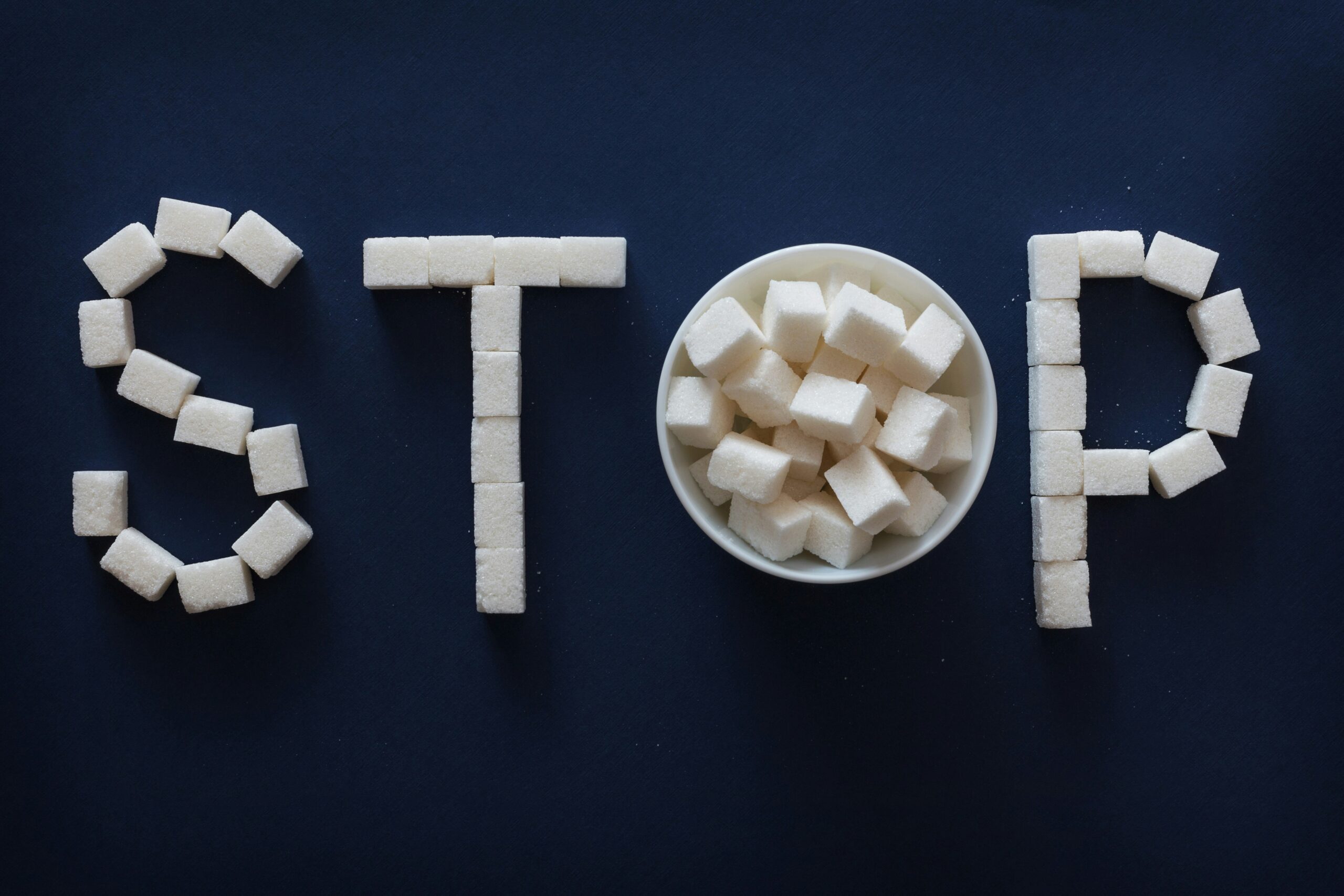
Stop Overthinking Weight Loss: Keep It Simple
Weight loss has become one of the most overcomplicated topics on the planet. Every week there’s a new diet, a new rule, a new “expert,” and a new reason to feel like you’re doing something wrong. One person tells you to count calories. Another says calories don’t matter. Some swear by keto, others by vegan, and suddenly eating feels harder than it should be.
Here’s the truth most people don’t want to say out loud: weight loss is simple. Not always easy—but simple. The problem isn’t that people don’t know what to do. The problem is they’re trying to do too much at once.
This article strips weight loss back to basics. No tracking apps. No confusing macros. No extreme workouts. Just clear, repeatable habits that work because they’re easy to follow. If you’ve been stuck, frustrated, or overwhelmed, this approach may be exactly what you need.
Why Overthinking Weight Loss Keeps You Stuck
When weight loss feels complicated, motivation disappears fast. You start strong, but the moment life gets busy, the plan falls apart. That’s not a willpower issue—it’s a design issue.
Overthinking creates mental fatigue. Constantly deciding what you can eat, when you can eat, and how much you can eat drains energy. Eventually, quitting feels easier than continuing.
Simple rules remove decision-making. When you know exactly what you do and don’t eat, there’s no debate. That clarity is powerful.
The Power of Keeping Weight Loss Simple
Simplicity creates consistency, and consistency creates results. When the rules are easy, you repeat them daily without stress.
Instead of chasing perfection, you focus on repetition. You don’t need to eat perfectly—you just need to eat better most of the time. Simple plans also reduce emotional eating because there’s less guilt and fewer “I messed up” moments.
Think of it this way: a boring plan you follow beats an exciting plan you quit.
Drink Only Water
If there’s one change that delivers fast results, it’s cutting out liquid calories. Soda, juice, sweet tea, sports drinks, flavored coffee—they all add calories without filling you up.
Water supports fat loss by improving digestion, controlling appetite, and reducing cravings. Many people mistake thirst for hunger and eat when all they needed was water.
- Plain water
- Sparkling water
- Mineral water
That’s it. If it’s sweet, it doesn’t belong in your daily routine.
Remove Sugar Completely
Sugar is one of the biggest obstacles to weight loss. It spikes blood sugar, increases insulin, and keeps you hungry even after you eat.
Once sugar becomes a habit, cravings feel constant. The good news? When you remove sugar, cravings fade faster than most people expect—usually within one to two weeks.
This includes obvious sugars and hidden ones. If it tastes sweet, skip it.
No Bread, Pasta, Rice, Potatoes, Flour, or Cereal
These foods aren’t evil—but they make weight loss harder. Refined carbohydrates turn into sugar in the body, triggering hunger and fat storage.
Many people are shocked at how much better they feel after removing these foods. Less bloating, fewer cravings, and more stable energy become the norm.
Cereal deserves special attention. Even “healthy” cereal is usually sugar in disguise. Starting your day with cereal often leads to cravings all day long.
Eat One or Two Meals a Day
Constant eating keeps insulin high, which makes fat loss difficult. Eating fewer meals allows insulin levels to drop, giving your body a chance to burn stored fat.
This doesn’t mean starving. It means eating satisfying meals and skipping unnecessary snacking.
Some people prefer one meal a day. Others feel better with two. Both work. The key is consistency.
Snack Only on Fruit—Preferably Berries
If you must snack, fruit is your safest option. But not all fruit is equal.
Berries—such as strawberries, blueberries, raspberries, and blackberries—are lower in sugar and higher in fiber. They satisfy a sweet craving without triggering overeating.
Avoid fruit juices and dried fruits. They concentrate sugar and remove fiber.
No Fried Foods
Fried foods combine unhealthy fats, excess calories, and addictive flavors in one package. They slow digestion, increase inflammation, and make portion control nearly impossible.
Switching to grilled, baked, roasted, or air-fried options can dramatically reduce calorie intake without sacrificing taste.
If It Comes in a Box or Bag, Skip It
The middle of the grocery store is where progress goes to die. Packaged foods are designed to be hyper-palatable, meaning they override hunger cues.
Shop the perimeter instead:
- Meat and seafood
- Eggs
- Vegetables
- Fruit
If the label has a long ingredient list, it’s probably not helping your goals.
Intermittent Fasting: The Simplifier
Intermittent fasting isn’t about starving—it’s about creating eating windows. By limiting when you eat, you naturally eat less without counting calories.
Popular approaches include:
- 16:8 (16 hours fasting, 8 hours eating)
- 18:6
- One meal a day (OMAD)
Fasting works especially well when paired with clean, simple food choices.
How These Rules Work Together
When combined, these habits reduce hunger, stabilize blood sugar, and simplify daily decisions. Most people find they eat less without trying.
You stop fighting your body and start working with it.
Common Mistakes That Slow Progress
Trying to “cheat” often backfires. One sugary snack can reignite cravings. Another mistake is switching plans too quickly before results have time to show.
Consistency beats intensity every time.
What Results to Expect
In the first week, many people lose water weight and notice reduced bloating. Over the next few weeks, fat loss becomes noticeable.
Energy improves. Sleep improves. Mental clarity improves.
Staying Consistent Without Motivation
Motivation fades. Systems last. Remove tempting foods from your environment and make simple rules non-negotiable.
When decisions are automatic, success becomes easier.
Frequently Asked Questions
Can I drink coffee or tea?
Yes, as long as it’s plain. No sugar, creamers, or syrups.
How long should I follow this plan?
As long as it works for you. Many people adopt it as a lifestyle.
What about exercise?
Exercise helps, but weight loss starts in the kitchen. Walking is more than enough to start.
Will I lose muscle?
Eating enough protein and staying active helps preserve muscle.
Is this safe?
For most healthy adults, yes. If you have medical conditions, consult a healthcare professional.
Final Thoughts
Weight loss doesn’t require perfection, suffering, or endless rules. It requires simplicity, consistency, and patience.
If you’re tired of starting over, stop overthinking. Keep it simple—and let the results speak for themselves.