💸 How to Turn Clutter Into Cash: Earn $10,000 a Year Selling Things Around Your House
Introduction: Turn Your Clutter Into a $10K Opportunity
If you’ve got a pile of stuff sitting around that you’ve been meaning to sell, consider this your sign to finally do it. Flipping items — selling things for a profit — is one of the simplest and most satisfying ways to make extra income. Not only does it put money in your pocket, but it also helps you declutter your home and create more space.
You don’t need a big plan or any prior experience to start. With just a few hours each week, you can turn forgotten clothes, electronics, décor, and more into a steady stream of extra cash. In fact, with consistent effort, it’s entirely possible to make $10,000 a year by flipping things you already own. Let’s dive into how to do it.
🏠 1. What Is Flipping (and Why It’s Easier Than You Think)?
Flipping simply means selling items for a profit. While some people make it a full-time business, it can also be a simple side hustle you do from home. The idea is straightforward: sell items that either have value to someone else or can be resold for more than you originally paid.
Many beginners think flipping requires a lot of expertise or investment. The truth is, starting with your own possessions eliminates all of that risk. You don’t need to buy inventory, and you already know the history and condition of the items you own. This makes flipping one of the most beginner-friendly ways to earn extra income.
💡 2. Why Flipping Your Own Stuff First Makes Sense
Before you venture into thrift stores, clearance racks, or garage sales, the smartest step is to start with what you already have. Flipping your own stuff comes with several advantages:
-
No startup costs: You’re selling items you already own, so there’s no financial risk.
-
Immediate inventory: You have a ready-made selection of items to sell.
-
Confidence-building: Learning to photograph, list, and sell items helps you gain experience.
-
Quick cash: Some items can sell within hours or days.
When I started flipping, I focused on clothes and shoes from my closet. Soon, I branched out to other items — jewelry, small appliances, and even car tires! Even items I thought were low-value turned out to be surprisingly profitable.
🔍 3. Finding Hidden Value: What to Look for Around the House
You might be shocked at how much cash is hidden in your home. Here are the main categories to check:
-
Clothing & Accessories: Name-brand clothes, vintage items, handbags, shoes, and sneakers.
-
Electronics: Phones, tablets, laptops, video games, smartwatches, and chargers.
-
Home Goods & Décor: Lamps, artwork, mirrors, small furniture, and decorative pieces.
-
Kitchen & Appliances: Blenders, coffee makers, mixers, air fryers, and slow cookers.
-
Toys & Kids’ Items: Gently used toys, bikes, or baby gear.
-
Miscellaneous Treasures: Tools, collectibles, sports equipment, and even car parts.
Tip: If you haven’t used it in the past 6–12 months, it might be a perfect candidate for flipping.
📸 4. Prepping Items to Sell: Presentation Is Everything
How you present your items can make or break a sale. Follow these steps to increase your chances of a quick sale:
-
Clean and Repair: Dust, polish, or fix small issues. A clean item looks more appealing.
-
Photography Tips:
-
Use natural light for clear images.
-
Keep backgrounds simple and uncluttered.
-
Take multiple angles to show details.
-
Include a size reference to help buyers visualize.
-
-
Writing Descriptions:
-
Be honest about the item’s condition.
-
Include key details such as brand, color, size, and features.
-
Add personal touches like “barely used” or “perfect for small kitchens.”
-
-
Pricing Tips:
-
Research similar listings to gauge market value.
-
Price slightly below average for faster sales.
-
Leave room for minor negotiations.
-
📱 5. Best Places to Sell Your Stuff Online
Choosing the right platform can significantly impact your sales speed and profit:
-
Facebook Marketplace: Ideal for local sales of furniture, appliances, and household items.
-
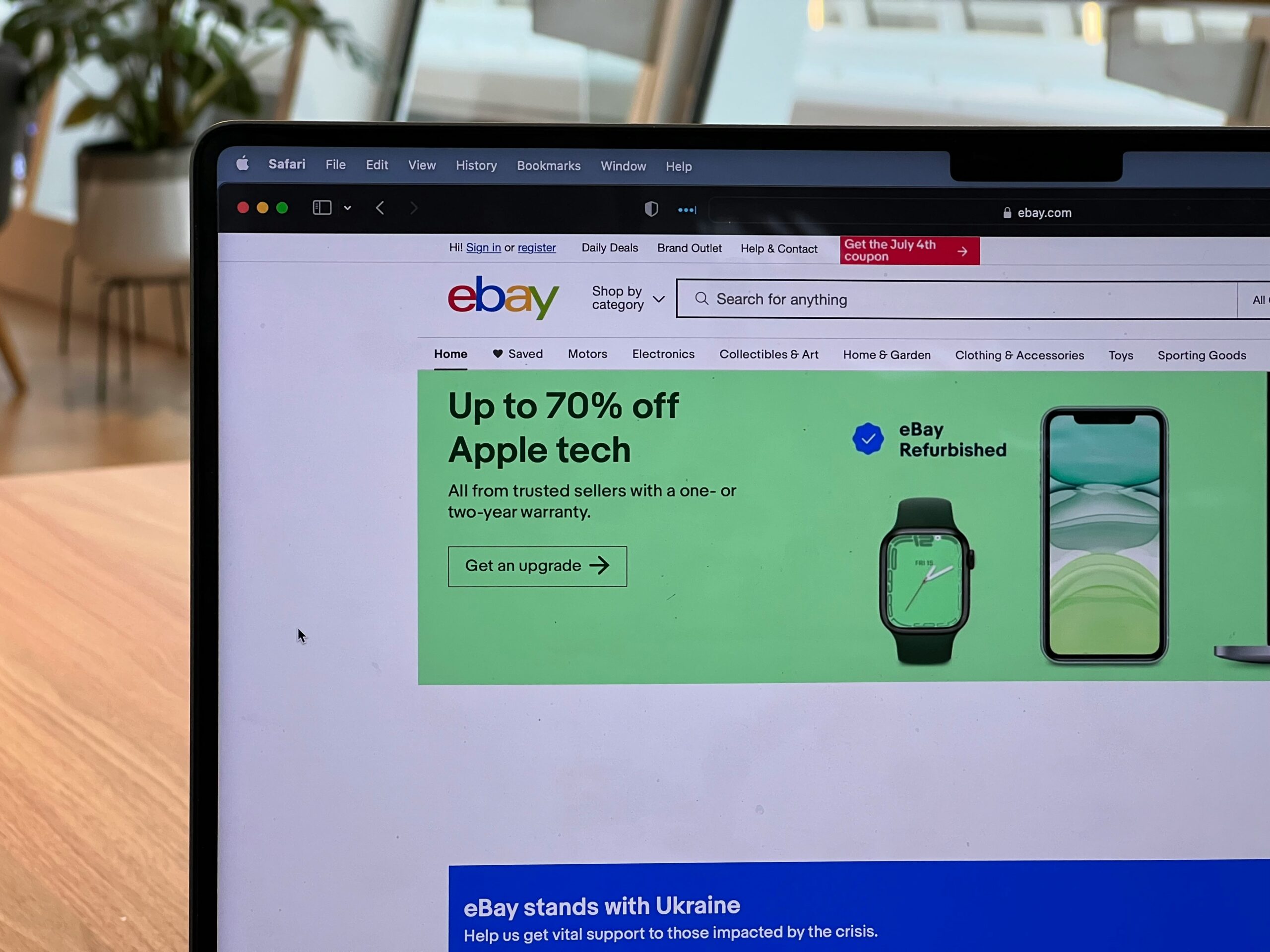
eBay: Perfect for collectibles, electronics, and niche items with national or international shipping.
-
Poshmark & Mercari: Great for clothing, shoes, and accessories.
-
OfferUp & Craigslist: Fast local sales for larger items.
-
Specialized Apps:
-
Decluttr: Tech and media items.
-
Reverb: Musical instruments.
-
The RealReal: Luxury items.
-
Pro Tip: Cross-listing items on multiple apps can increase visibility and lead to faster sales. Tools like Vendoo or List Perfectly make this process easier.
⏰ 6. Setting Up a Simple Flipping Routine
To stay consistent without feeling overwhelmed, establish a simple weekly routine:
-
Weekly Schedule:
-
One day to gather new items.
-
One day to photograph and list.
-
One or two days for packaging and shipping.
-
-
Track Inventory & Profits: Keep a spreadsheet or use a free app to record sales and net profits.
-
Reinvest Smartly: Use some of your earnings to buy tools like packaging supplies, lights for photos, or even better inventory.
Consistency is key — even a few hours each week can accumulate significant earnings over time.
💰 7. How to Actually Hit $10,000 a Year
Making $10,000 a year from flipping might sound ambitious, but it’s achievable with a strategic approach:
-
Set Monthly Goals: Aim for around $800–$900 profit each month.
-
Start at Home, Then Expand: Once your personal items are sold, source from thrift stores, yard sales, or clearance racks.
-
High-ROI Items: Focus on electronics, branded clothing, sneakers, and small furniture.
-
Bundle Low-Value Items: Selling in sets can save time and increase profits.
-
Seasonal Opportunities: Sell holiday décor, school supplies, or outdoor furniture at the right times of year.
Example: Selling 5 items per week with an average profit of $40 each totals $200/week, or over $10,000/year.
🧠 8. Avoiding Common Flipping Mistakes
Even experienced flippers make mistakes. Avoid these pitfalls:
-
Overpricing or Underpricing: Research similar items first.
-
Poor Photos: Listings with bad lighting rarely sell.
-
Ignoring Fees and Shipping Costs: Always calculate net profit.
-
Holding Inventory Too Long: If it hasn’t sold in 30 days, reprice or relist.
-
Slow Communication: Respond promptly to build trust with buyers.
🚀 9. Scaling Up: Turning Flipping Into a Real Side Hustle
Once you’re comfortable flipping your own items, you can expand into a small business:
-
Sourcing Inventory: Visit yard sales, thrift stores, clearance racks, or online auctions.
-
Niche Down: Focus on a category like sneakers, vintage clothing, or collectibles.
-
Automate Listings: Use templates and cross-listing tools.
-
Track Taxes & Expenses: Keep records of all sales and costs for tax purposes.
-
Brand or Storefront: Creating a consistent brand helps build trust with repeat buyers.
🌟 10. The Feel-Good Bonus: Declutter, Simplify, and Make Space
Flipping isn’t just about money. It also brings these benefits:
-
Less Clutter, Less Stress: A tidy home promotes mental clarity.
-
Intentional Living: You become more mindful about what you own.
-
Sustainable Practices: Give items a second life instead of throwing them away.
-
Helping Others: Buyers get items they want at a good price.
🏁 Conclusion: Your $10K Flipping Challenge Starts Today
You don’t need a business plan or startup capital — just the willingness to start with what’s in front of you. Begin by picking a few items from your home, photographing them, and listing them online. Set a small goal, like making $500 this month, and build momentum from there.
Your home might be full of hidden income — it’s time to cash it in. Happy flipping!
❓ FAQ: Flipping Stuff Around the House
Q1: How much time does flipping take?
A: You can start with just a few hours per week. As you gain experience, you can scale up at your own pace.
Q2: What items sell the fastest?
A: Electronics, brand-name clothing, shoes, collectibles, and small furniture tend to sell quickly.
Q3: Do I need a business license?
A: For casual selling, no. If you scale into a consistent side hustle, check local regulations and tax requirements.
Q4: Can I sell items I bought online or second-hand?
A: Absolutely. Flipping thrifted or clearance items is a common way to boost profits.
Q5: How do I avoid scams?
A: Meet local buyers in public places, use secure payment methods, and trust your instincts.