How to Make $10K Months With Your Own Ghost Kitchen
The food business has changed forever. You no longer need a dining room, a massive staff, or a six-figure startup budget to build a profitable food brand. In fact, some of the most successful food entrepreneurs today are operating quietly behind the scenes through ghost kitchens. If you’ve ever wondered whether it’s really possible to hit $10,000 months with a ghost kitchen, the answer is yes—if you build it the smart way.
This guide will walk you through exactly how to do it using shared commercial kitchens, strategic pre-orders, smart sourcing from places like Restaurant Depot and Costco, and a system that keeps overhead low and profits predictable. Whether you’re starting from scratch or refining an existing idea, this article will give you a clear roadmap.
What Is a Ghost Kitchen (And Why It’s So Profitable)
A ghost kitchen is a food business that operates without a traditional storefront. There’s no dining room, no waitstaff, and no walk-in customers. Instead, orders come in through pre-orders, delivery platforms, or direct sales, and food is prepared in a licensed commercial kitchen.
Because you eliminate many of the biggest expenses associated with restaurants—such as long-term leases and front-of-house payroll—ghost kitchens offer significantly higher profit potential. You focus on what actually makes money: the food and the system.
Why Ghost Kitchens Beat Traditional Restaurants
Traditional restaurants often fail not because the food is bad, but because the overhead is too high. Ghost kitchens flip that equation.
- Lower startup costs
- Flexible kitchen rental options
- Smaller, more focused menus
- Ability to scale without moving locations
This flexibility is what makes $10K months achievable without burning yourself out.
The $10K-a-Month Breakdown: Simple Math, Smart Systems
One of the biggest misconceptions about making $10,000 per month is that you need massive volume. In reality, it’s about consistency and pricing.
For example, if your average order is $40, you only need 250 orders per month to hit $10,000 in revenue. That’s roughly:
- 60–65 orders per week, or
- 10–12 orders per day
When you rely on pre-orders instead of walk-in traffic, these numbers become far more manageable and predictable.
Why Pre-Orders Are the Secret Weapon of Successful Ghost Kitchens
Pre-orders change everything. Instead of guessing how much food to prepare, you already know exactly what’s been sold before you ever step into the kitchen.
This approach protects your cash flow and dramatically reduces waste. You buy only what you need, cook only what’s sold, and avoid throwing away profits at the end of the day.
How Pre-Orders Protect Your Profit
- No overbuying ingredients
- No last-minute panic prep
- Clear revenue expectations
- Less stress and burnout
Many ghost kitchen owners use weekly pre-order windows, closing orders 24–48 hours before cooking. This allows time to shop strategically and plan kitchen hours efficiently.
Using Shared Commercial Kitchens to Keep Overhead Low
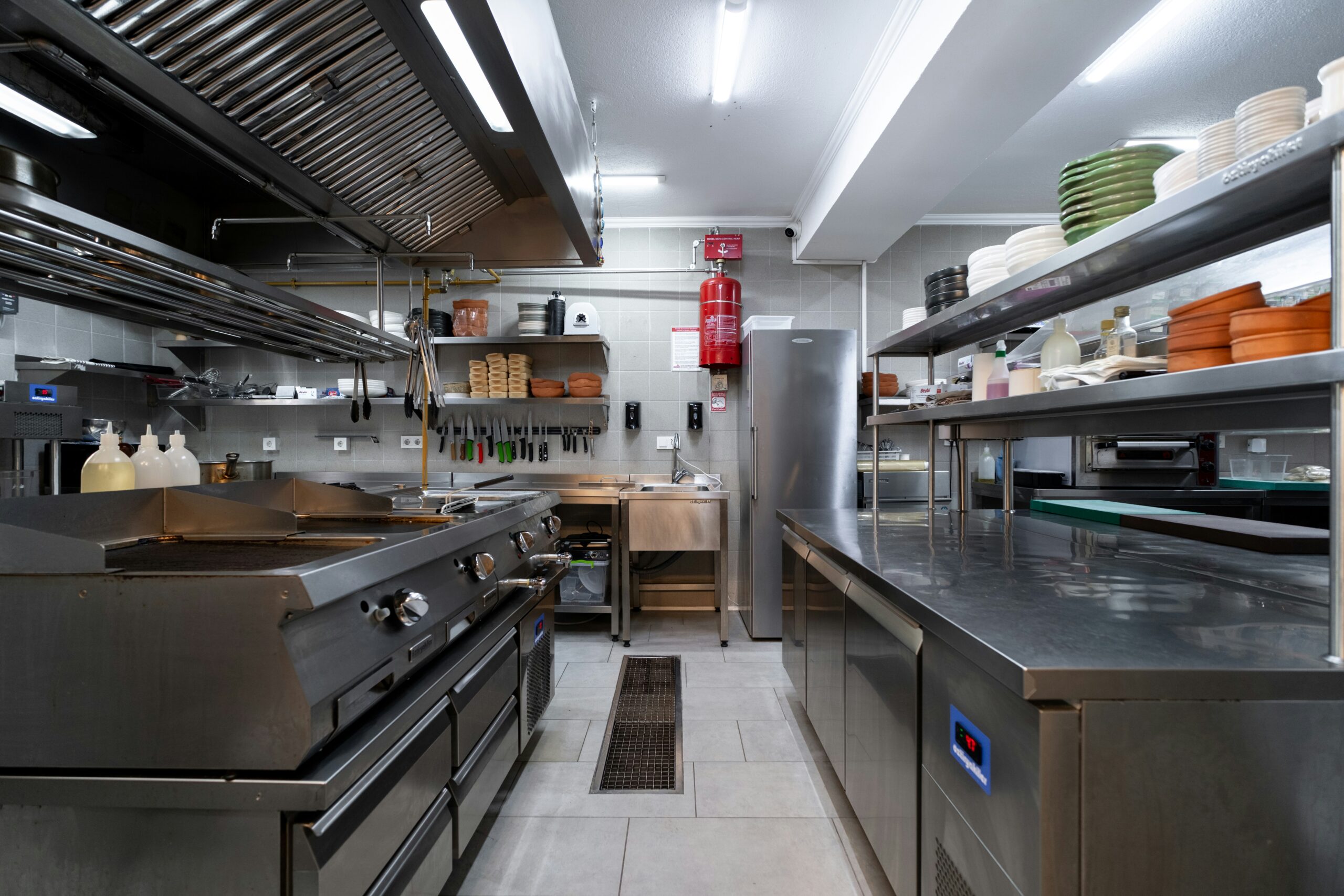
You do not need your own restaurant space to run a ghost kitchen. Shared commercial kitchens—also called commissary kitchens—allow you to rent licensed kitchen space by the hour.
This is one of the smartest ways to start because you only pay for the time you actually use.
Where to Find Shared Kitchens
- Local commissary kitchens
- Church or community kitchens
- Food incubators
- Culinary co-working spaces
Before committing, always ask about hourly rates, storage options, health department approvals, and peak-hour availability.
Booking Kitchen Hours Strategically (So You’re Not Wasting Money)
Kitchen time is one of your biggest variable expenses, so managing it wisely is critical.
Instead of cooking daily, many ghost kitchen owners batch their production into one or two days per week. This allows you to book fewer hours while producing the same—or more—output.
Tips for Smarter Kitchen Scheduling
- Align prep days with pre-order deadlines
- Cook in bulk whenever possible
- Use off-peak hours if they’re cheaper
- Avoid booking “just in case” time
The goal is efficiency, not exhaustion.
Where to Buy Ingredients Without Killing Your Margins
Smart sourcing is one of the fastest ways to increase profit without raising prices.
Restaurant Depot and Cash & Carry
Restaurant Depot, US Foods,Gordon Food Service, Performance Food Group and Sysco is a favorite among ghost kitchen operators for bulk proteins, dry goods, and produce. Prices are often significantly lower than traditional grocery stores.
Costco, Sam’s Club, and BJ’s
These membership stores are excellent for consistent pricing on staples like oils, cheese, frozen items, and beverages. They’re especially useful when your pre-order volume is predictable.
The key is matching your purchasing habits to your pre-orders so you’re never sitting on unused inventory.
Paper Goods and Packaging: Why Uline Matters
Your food might taste amazing, but packaging is what customers see first. Cheap or flimsy containers can hurt your brand.
Uline.com is a go-to source for bulk paper goods, food containers, bags, labels, and gloves. Buying in bulk reduces your cost per order and ensures consistency.
Packaging Tips for Ghost Kitchens
- Choose containers that travel well
- Keep branding simple and clean
- Calculate packaging cost per order
- Don’t overcomplicate presentation
Designing a High-Profit Ghost Kitchen Menu
More menu items do not equal more money. In fact, they often do the opposite.
High-performing ghost kitchens focus on a small menu that uses overlapping ingredients. This reduces prep time, simplifies ordering, and improves margins.
What Makes a Great Ghost Kitchen Menu
- Items that travel well
- Minimal ingredients
- Easy to batch cook
- Strong perceived value
Limited menus also create urgency, which pairs perfectly with pre-orders.
How to Take Pre-Orders Without Expensive Tech
You don’t need a fancy app or custom website to start making sales.
Many ghost kitchens successfully use simple tools like Google Forms, Instagram DMs, or text messaging to collect orders.
Simple Pre-Order Tools
- Google Forms for order collection
- Cash App, Zelle, or Stripe for payments
- Instagram and Facebook for promotion
What matters most is clarity—clear deadlines, clear menus, and clear pickup instructions.
Marketing Your Ghost Kitchen Without Paid Ads
You don’t need to go viral to make consistent money. You need repeat customers.
Local Facebook groups, Instagram stories, and word-of-mouth referrals are powerful tools when used consistently.
Low-Cost Marketing Ideas
- Weekly menu posts
- Limited quantity announcements
- Customer testimonials
- Email or text order reminders
Scarcity sells, especially when your food delivers on quality.
Scaling to Consistent $10K Months
Once your system works, scaling becomes about repetition—not reinvention.
Instead of adding new menu items, consider adding more pickup days, raising prices slightly, or increasing batch size.
This is where many operators hit their stride and stabilize monthly income.
A Resource Worth Reading: The Ghost Kitchen Startup Bible
If you want a deeper dive into building and scaling a ghost kitchen, The Ghost Kitchen Startup Bible: Culinary Clouds is an excellent resource. It breaks down the business side of ghost kitchens in a practical, no-fluff way.
You can check it out here: The Ghost Kitchen Startup Bible: Culinary Clouds
Common Mistakes to Avoid
Many ghost kitchens struggle not because the model doesn’t work, but because of avoidable errors.
- Overbuying ingredients
- Offering too many menu items
- Paying for unused kitchen hours
- Ignoring food cost percentages
Staying disciplined is what separates profitable kitchens from stressful ones.
Frequently Asked Questions
How much does it cost to start a ghost kitchen?
Startup costs vary, but many people begin with a few thousand dollars by using shared kitchens and pre-orders.
Do I need a business license?
Yes. Requirements vary by location, but you typically need a business license, food handler certification, and access to a licensed kitchen.
Can I run a ghost kitchen part-time?
Absolutely. Many operators start as a side hustle by batching production on weekends.
Is delivery required?
No. Many ghost kitchens focus on pickup-only pre-orders to avoid delivery fees.
How long does it take to reach $10K months?
With the right system, some operators reach this goal within a few months. Consistency matters more than speed.
Conclusion: A Smarter Way to Build a Food Business
Building a ghost kitchen isn’t about chasing trends—it’s about creating a lean, predictable business that works. By using shared kitchens, relying on pre-orders, sourcing smartly, and keeping your menu focused, $10,000 months become a realistic target rather than a distant dream.
Start small, stay consistent, and build systems that protect your time and your profits. The opportunity is real—and it’s never been more accessible.