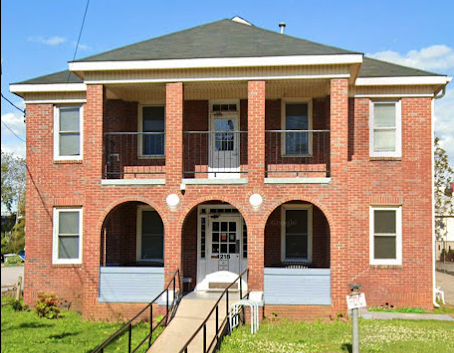
How to Open a Federal Halfway House and Earn Six Figures: Complete Guide
Opening a federal halfway house, also known as a Residential Reentry Center (RRC), can be a highly rewarding and profitable venture. These facilities support individuals transitioning from federal incarceration back into society while providing housing, employment support, and life skills training. If done correctly, a federal halfway house can generate stable, high-paying contracts while helping residents successfully reintegrate.
Understanding Federal Halfway Houses
Federal halfway houses are different from state-funded group homes. They are federally contracted facilities designed to provide structured, transitional housing for people leaving federal prisons.
Key Characteristics
- Operated under strict Federal Bureau of Prisons (BOP) guidelines.
- Residents are typically federal inmates or parolees nearing the end of their sentence.
- Funding comes primarily through federal contracts, often tied to performance and compliance.
- Services include housing, job placement, counseling, and reintegration programs.
Note: Unlike state group homes, federal halfway houses have higher oversight, but contracts can be very lucrative, sometimes six-figure annual revenue per facility depending on size and resident population.
Is It Possible to Open a Federal Halfway House?
Yes, but it requires meeting strict federal requirements and obtaining approval through a competitive process. You cannot simply open a house and start admitting federal residents without a federal contract.
Steps to Get Started
- Research the BOP’s Residential Reentry Center program requirements.
- Register as a legal entity (LLC or corporation) and obtain an EIN.
- Secure commercial property that meets federal building and safety standards.
- Prepare detailed policies, procedures, and programming plans for residents.
- Apply for federal contracts when RFPs (Request for Proposals) are announced.
Federal Approval and Licensing
Federal halfway houses require rigorous licensing and approval, which is more stringent than state programs. Approval is contingent on:
- Passing comprehensive safety and security inspections.
- Meeting zoning and local government requirements.
- Staffing with qualified professionals (counselors, case managers, supervisors).
- Implementing compliance and reporting systems.
- Passing BOP audits and inspections before and during operations.
Staffing Requirements
Staffing a federal halfway house is critical to compliance and success. Federal contracts require:
- Program Director or Manager
- Case Managers / Residential Counselors
- On-call security staff
- Administrative personnel for reporting and documentation
- Background checks for all employees (FBI, federal, state)
Tip: Hiring experienced staff with previous reentry or corrections experience can improve contract approval chances.
Understanding Federal Contracts and Payment
Federal halfway houses operate under contracts that pay per resident, per day. Payments depend on:
- The type and level of service provided
- The number of residents
- Compliance with BOP reporting and program requirements
Typical rates range from $80–$150 per resident per day, depending on contract type and population needs. Larger facilities with more residents can generate substantial annual revenue.
Facility Requirements
Your facility must meet strict federal standards to house residents:
- Secure and safe private and shared living areas
- Common areas for programming and job readiness classes
- Office space for staff and case management
- Strict safety and fire compliance
- Policies for visitation, medication, and resident accountability
Facilities must also be inspected regularly to maintain federal approval.
Documentation and Compliance
Federal halfway houses are heavily audited. Documentation is critical:
- Resident case plans and progress notes
- Incident reports
- Daily logs and schedules
- Staff training records
- Compliance reporting for BOP audits
Pro Tip: Automated record-keeping systems can streamline compliance and reduce administrative errors.
Timeline and Reality Check
Launching a federal halfway house is a long-term investment. Expect:
- 6–18 months from initial research to first resident placement
- Delays due to federal RFP cycles and inspections
- Ongoing reporting and audits throughout operations
This is not a fast-money business, but successful facilities can produce consistent, high-paying revenue.
Common Beginner Mistakes to Avoid
- Attempting to open without federal approval or contract.
- Underestimating staffing and compliance requirements.
- Failing to document policies, procedures, and resident records.
- Overlooking facility safety, security, and zoning requirements.
Conclusion
Opening a federal halfway house is possible, but it requires careful planning, compliance, and federal approval. With the right facility, staff, and attention to detail, you can create a stable, six-figure business while making a meaningful difference in the lives of residents returning to society. Patience and dedication are key.
For more detailed, step-by-step strategies on starting all types of group homes—including federal halfway houses—check out this comprehensive guide: Start Your Own Transitional Housing Program or Sober Living Home.
FAQ
Can anyone open a federal halfway house?
Yes, but only through a federal contract with the BOP. You must meet strict requirements, pass inspections, and follow federal regulations. It’s not as simple as a private group home.
How much can I earn operating a federal halfway house?
Income depends on the contract and number of residents. Typical rates are $80–$150 per resident per day. Larger facilities can generate six-figure annual revenue.
What staff are required?
You will need a Program Director, case managers or counselors, on-call security, and administrative staff. All employees must pass FBI and federal background checks.
How long does it take to get started?
Expect 6–18 months from initial planning to first resident placement due to federal contract approval and inspection timelines.
Do I need a specific type of facility?
Yes. Facilities must meet federal safety, zoning, and program requirements. Both private and leased properties can work if they pass inspections and compliance standards.
Is it more profitable than a state-funded group home?
Potentially, yes. Federal contracts often pay higher per resident rates, but oversight and operational requirements are stricter. Success depends on compliance and program quality.