Why “Ugly” Mobile Home & RV Parks Quietly Print Cash (And How You Can Profit)
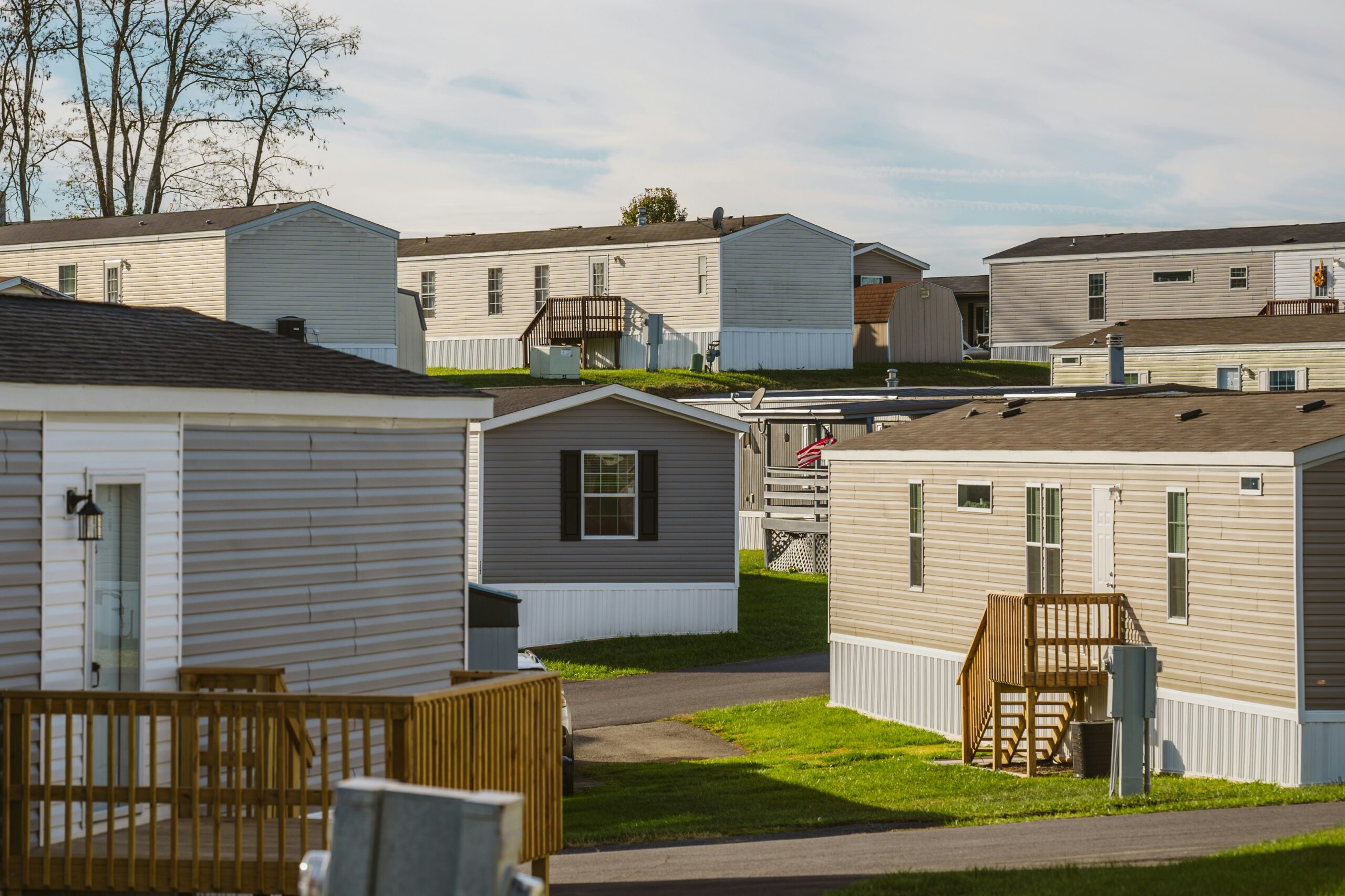
Most people drive past older mobile home and RV parks and only see peeling paint, cracked roads, and outdated signage—but seasoned investors see something very different. While others dismiss these properties as “run-down,” smart investors recognize the hidden cash flow and long-term land value that make them excellent opportunities.
In this article, we’ll break down exactly why so-called “ugly” parks can consistently generate income, how to evaluate them the right way, and even real example properties for sale right now so you can see the opportunities firsthand.
Seeing Past the Stigma: Mobile Home & RV Parks Aren’t What You Think
Mobile home and RV parks carry a reputation problem, and that reputation is exactly what creates opportunity for investors who know better. The truth is, judgment about appearance often blinds people to profitability.
Many investors dismiss parks because they look dated or “low-end.” However, superficial appearances rarely reflect the asset’s income potential. Behind those faded signs are functioning lots, utility connections, and residents who need affordable housing—making it a real cash-flow play.
When you change your perspective from “How pretty is this property?” to “How much cash flow can this generate?” you start seeing value where others only see problems.
Infrastructure Is the Hidden Gold
One of the biggest advantages mobile home and RV parks have over other types of commercial real estate is that the most expensive part of development—*infrastructure*—is already in place.
Think about it: raw land needs roads, utilities, septic systems, and more before anything can be built. Those improvements can cost hundreds of thousands of dollars before a single dollar of rent comes in. But in a mobile home or RV park, all that is already paid for.
This puts you far ahead of someone who buys raw land and hopes to get tenants later. With parks, you already have the foundation for income.
What Infrastructure Means for You
- Water and sewer connections: Essential for tenants and expensive to install from scratch.
- Roads and pads: These are engineered systems, and replacing them costs serious money.
- Utility hookups: Electrical and utility lines are already built into the park design.
Because all of this is in place, you can start collecting rent right away—even if you plan to upgrade the park later.
Why Small & Rural Parks Are Often Better Deals
While big institutional investors chase large urban apartment complexes and massive RV resorts, many investors overlook smaller mobile home and RV parks, especially in rural markets. That creates a huge advantage for savvy buyers.
Here’s why:
- Less competition: Fewer buyers means better chances to negotiate.
- Lower prices: Entry cost per lot can be incredibly affordable compared to multifamily buildings.
- Lower taxes and regulation: Rural areas often have more favorable tax and zoning environments.
For investors who know how to evaluate parks and run them effectively, this niche can deliver stable monthly income with long-term appreciation potential.
The Demand Is Real: Affordable Housing Is a Growing Problem
Mobile home and RV parks aren’t just investments—they’re solutions to a nationwide housing shortage. With rents rising and affordable options disappearing, many families and retirees turn to parks as a stable, lower-cost alternative.
This creates reliable demand that helps parks maintain occupancy and steady rents over time.
In many cases, park tenants stay for years or even decades—meaning fewer turnovers and lower turnover costs compared to other rental real estate.
Poor Management Equals Hidden Upside
Many parks labeled “run-down” aren’t actually bad investments—they’re often poorly managed. And poor management creates opportunity.
Common issues include:
- Loose rent collection policies
- Empty lots that aren’t marketed or filled
- Inefficient utility billing
- Lack of rules or enforcement
Often, a few simple operational upgrades—like strict rent collection, filling vacant spaces, and basic maintenance—can dramatically boost the park’s net operating income (NOI) without major capital expenditure.
Value-Add Doesn’t Require Luxury Renovations
Unlike apartment complexes or luxury vacation properties, mobile home and RV parks don’t need granite countertops or heated pools to make money. Instead, the value-add strategy focuses on function and occupancy.
- Improve safety and cleanliness to retain tenants and attract referrals.
- Raise rents modestly where justified by market demand.
- Bill utilities correctly to protect your NOI.
- Fill empty lots with new tenants or homes.
By focusing on operational improvements rather than cosmetic upgrades, you protect your cash flow and improve returns.
Creative Financing: Buy With Less Money Down
One of the biggest advantages of investing in mobile home and RV parks—especially smaller ones—is that creative financing options are often available. Unlike large apartment complexes that require big bank loans and strict underwriting, parks can often be purchased with terms that favor the buyer.
Sellers of small parks are often individual owners or families who are more willing to offer seller financing, flexible down payments, or even installment sales. That lowers the barrier to entry and allows new investors to get started with much less cash up front.
Concrete Park Listings: See Real Properties for Sale
Here are some examples of actual mobile home and RV parks currently listed for sale so you can see what’s available in the market:
- Polk County Mobile Home Park – Auburndale, FL: A 124-site park listed around $4.5M with ready hookups and upside by filling vacant lots. :contentReference[oaicite:0]{index=0}
- Various Mobile Home Parks – Nationwide: A searchable listing of parks across the U.S., including opportunities in multiple states. :contentReference[oaicite:1]{index=1}
- MH/RV Parks – Florida Listings: Listings like Belleview, Cloverport, and Marianna parks with a range of prices and pad counts. :contentReference[oaicite:2]{index=2}
- Mobile Home Parks for Sale – South Carolina: Listings include Sundial Park in Ladson (~$1.775M) and Moncks Corner parks with infrastructure in place. :contentReference[oaicite:3]{index=3}
- Missouri Mobile Home & RV Parks for Sale: Options ranging from ~$310K parks to larger 18-acre combos with motel + RV park potential. :contentReference[oaicite:4]{index=4}
These listings show a range of park sizes, locations, and price points—highlighting that opportunities exist for many different investor budgets and strategies.
How to Evaluate a Park Before You Buy
Before you jump into any deal, it’s critical to know the numbers and what to look for:
- Net Operating Income (NOI): Annual income minus operating expenses.
- Occupancy rate: The number of filled lots vs. total lots.
- Utility responsibilities: Who pays water, sewer, electricity?
- Zoning and legal status: Ensure the park is legally operating as a park.
Taking the time to do due diligence will protect your investment and help you make smart decisions that lead to consistent cash flow.
Risk Management: What Smart Investors Check First
No investment is without risk—but parks are manageable when you know what to evaluate. Always check:
- Zoning compliance and permits
- Septic and water system conditions
- Lease agreements and tenant payment histories
- Environmental factors (flood zones, contamination)
Smart investors treat risk not as a barrier to entry, but as a checklist for planning.
Conclusion: Change Your Lens, Change Your Results
Mobile home and RV parks may not be glamorous, but they can be dependable income generators with long-term land value. The secret isn’t magic—it’s perspective. When you look past aesthetics and focus on operations, infrastructure, and demand, you start seeing a consistent cash-flow asset that many investors overlook.
If you’re willing to dig in, evaluate thoughtfully, and operate with discipline, these parks can quietly print cash month after month. And with real listings available today, it’s never been easier to explore opportunities in this niche market.
Frequently Asked Questions
What makes mobile home parks a good investment compared to apartments?
Mobile home parks tend to have lower maintenance costs, existing infrastructure, and stable tenants. They often have long-term residents and lower turnover expenses than apartments.
Can you finance a mobile home park like a traditional property?
Yes—many deals use creative financing, including seller financing or smaller commercial loans. Smaller parks often allow more flexible terms than large multifamily deals.
How much money do you need to start investing in parks?
It varies widely. Some small parks list under $500,000, while larger ones can be several million. Creative financing can reduce cash needed up front.
Are mobile home parks risky investments?
Like all real estate, parks have risks, but thorough due diligence and understanding park operations can mitigate those risks effectively.
What should I look for during due diligence?
Focus on occupancy rates, utility responsibilities, zoning, septic systems, and financial records. These factors determine cash flow and future value.
Is it hard to manage a mobile home or RV park?
Management can be hands-on, but many owners hire park managers. Systems like strict rent collection and clear rules improve operations dramatically.