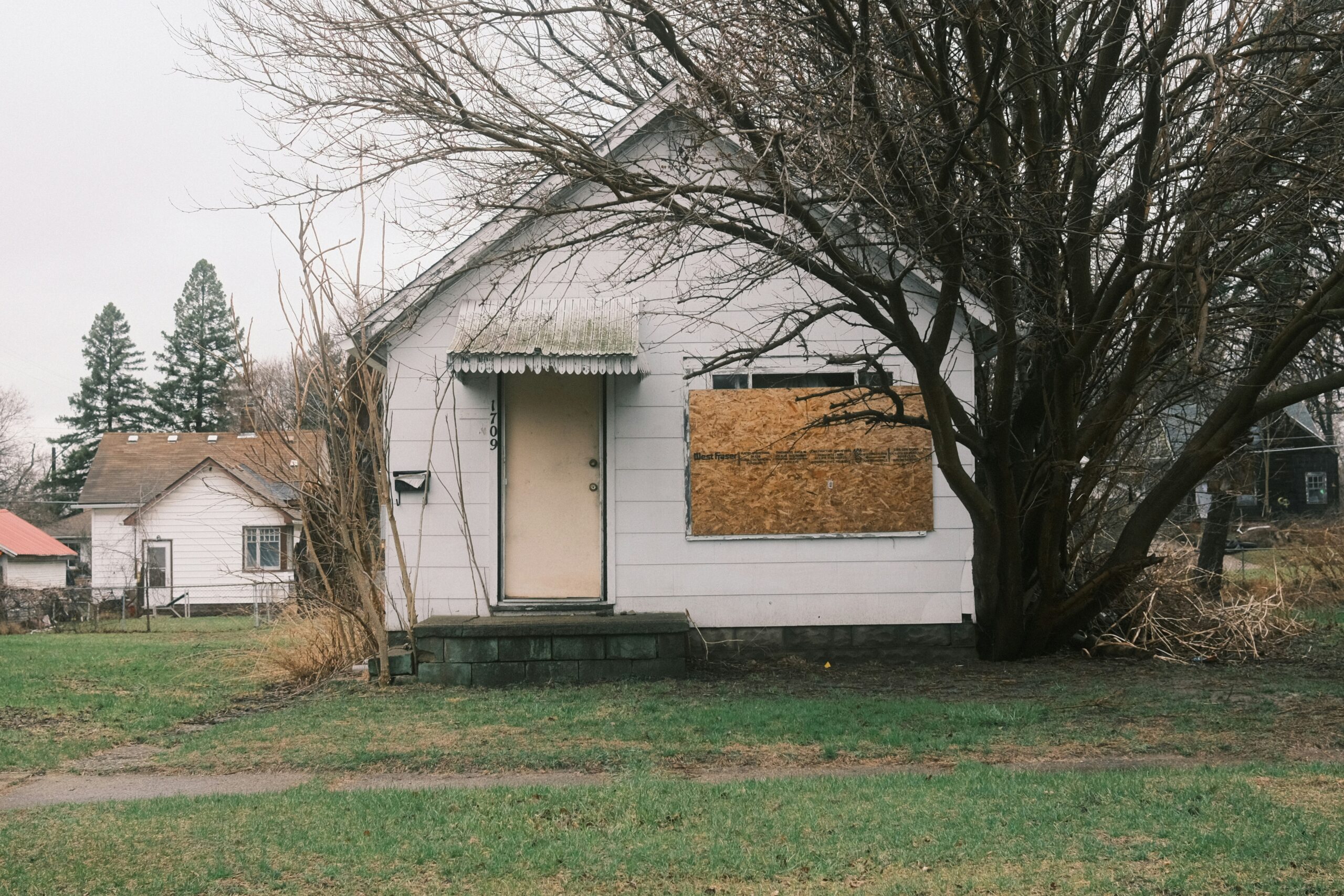
Affordable Real Estate: Your Guide to Homes Under $10,000 Across the U.S.
Have you ever dreamed of owning property, but felt like homeownership was financially out of reach? What if we told you that, in many parts of the United States, you *can* buy a home for under $10,000? It’s true—but there’s a twist. Ultra‑affordable homes often aren’t turnkey properties. Instead, they represent opportunities for investors, DIYers, or people prepared to roll up their sleeves and do some repair work.
In this guide, we’ll walk you through how ultra‑low‑cost homes exist, where to find them, what hidden costs to expect, how to avoid pitfalls, and how to make the most of these rare deals. Whether you’re aiming for a short‑term flip, a long‑term investment, or an affordable first home, this post will equip you with the knowledge to take the next step with confidence.
Why Homes Under $10,000 Exist
You might wonder, “How can a whole house be priced below $10,000?” The answer lies in local market dynamics, property condition, and assorted economic factors. These homes aren’t typically valuable because of location and condition—they’re affordable because they need work, often a lot of it.
In cities like Detroit, Gary, or smaller rural towns across the Midwest and South, decades of population decline, economic shifts, and housing stock abandonment have created a surplus of properties that local governments and banks are eager to move off the books. As a result, these properties are sometimes offered at auction for pennies on the dollar—or even starting bids as low as $100 or $1,000.
These homes might have issues like missing roofs, outdated systems, or require full rehabilitation. Yet for the savvy buyer—especially someone willing to invest sweat equity—they represent a pathway into real estate ownership that’s otherwise almost impossible at traditional market prices.
Where to Find Ultra‑Affordable Homes
Finding homes priced under $10,000 doesn’t usually happen on mainstream real estate sites like Zillow or Realtor.com. Instead, you’ll need to explore specialized resources:
Tax Lien and Tax Deed Auctions
When property owners fail to pay taxes, many counties hold auctions to recover lost revenue. Depending on local laws, you might purchase the tax lien (the right to collect back taxes plus interest) or the tax deed (actual ownership of the property). These auctions often include homes priced significantly below market value.
Tip: Research your county’s rules on tax sales, because some jurisdictions require buyers to hold the property for a set period, or they offer the original owner a redemption window.
Land Banks and City Programs
Some cities with high vacancy rates have land banks—public or nonprofit entities that manage and repurpose abandoned properties. For example, the Detroit Land Bank Authority has been known to sell houses for a few thousand dollars to buyers who commit to rehabilitating the property within a certain timeframe.
Programs like these often require proof of funds for repairs or rehab plans, but they can be an excellent way to acquire property at a low cost.
Foreclosures and Short Sales
Foreclosures happen when a homeowner defaults on their mortgage. While most foreclosure properties still go through real estate agents, sometimes banks price them aggressively to move inventory quickly. Similarly, short sales—where the lender agrees to accept less than owed—can result in deeply discounted homes.
Online Marketplaces for Cheap Land and Homes
There are niche websites focused on ultra‑affordable properties. These often list homes and land starting at very low prices, especially in rural areas. While listings here can be compelling, do your homework before assuming anything about condition, access, or utility availability.
Understanding the True Costs of Buying a Cheap Home
Buying a property for under $10,000 is just the beginning. Many buyers discover that the “real cost” comes after they secure the deal. Here’s a breakdown of what you should budget for:
- Closing costs: Even inexpensive properties require title searches, recording fees, and sometimes attorney fees.
- Back taxes or liens: Especially with tax sales, you may be responsible for unpaid taxes or other liens.
- Inspections and repairs: Structural issues, roofing, plumbing, or electrical work can add up quickly.
- Utilities: Reconnecting power, water, and sewer can be costly if the home has been vacant.
- Insurance and taxes: Ongoing costs you’ll need to factor in before closing the deal.
Many buyers underestimate these expenses, so be sure to create a realistic budget before bidding or making an offer.
What Makes a Good Deal Stand Out
Not all cheap homes are created equal. A $5,000 property in an area with no infrastructure or demand might end up costing you more than a better‑priced property in a community with growth potential. Here’s how to spot quality value:
Check the Location
Location still matters, even at rock‑bottom prices. Proximity to job centers, roads, schools, or future development plans can influence whether the property appreciates in value or languishes.
Inspect the Property Thoroughly
If possible, walk the property yourself or hire a local inspector. Look for red flags such as structural damage, water intrusion, or hazardous materials that could balloon your repair costs.
Research Comparable Sales
Even in low‑demand areas, look at recent sales of similar properties. This helps you understand if the price is truly a bargain or just another distressed listing.
Step‑By‑Step Guide to Buying a Home Under $10,000
Ready to dive in? Here’s a roadmap to buying ultra‑affordable real estate:
Step 1: Identify Your Target Markets
Start by deciding where you want to buy. Are you open to rural areas? Do you want a city with redevelopment potential? Narrowing your focus helps you search more effectively.
Step 2: Use the Right Tools
Explore county tax sale lists, land bank inventories, and niche real estate sites. Sign up for alerts so you don’t miss new listings.
Step 3: Do Your Due Diligence
Before bidding or making an offer, check records for liens, easements, utility access, and any restrictions on the property. This is where mistakes can get expensive.
Step 4: Set a Firm Budget
Decide your maximum bid or offer price—and stick to it. Factor in repair estimates and holding costs to avoid overpaying.
Step 5: Attend the Auction or Submit the Offer
Whether it’s a live auction, online bidding platform, or offer through an agent, make your move and be prepared for competition.
Step 6: Close the Deal & Plan Repairs
Once the property is yours, schedule contractors or start your DIY plan. Prioritize safety and essential systems first.
Financing Options for Ultra‑Affordable Properties
Even cheap homes can be financed—you just need the right approach. Traditional mortgages are rare for properties in this price range, but several alternatives exist:
- Cash Buyers: This is the most common route since auctions and distressed sales usually require immediate payment.
- Hard Money Loans: Short‑term loans from private lenders can help investors buy and renovate before selling or refinancing.
- Local Housing Grants: Some cities offer grants or low‑interest loans for rehabilitation, especially if you commit to living in the home.
- Seller Financing: In rare cases, the seller might finance the property if they’re motivated to close quickly.
Be sure to explore community resources and local government programs—they can substantially reduce your out‑of‑pocket expenses.
Tips for Renovating and Adding Value
Turning a super‑cheap house into a livable or profitable property takes planning. Here are some renovation tips that can increase value without breaking the bank:
Prioritize Structural and Safety Repairs
Tackle roofing, foundation issues, electrical, and plumbing first. These are essential before cosmetic upgrades.
Budget for Contingencies
Unexpected problems arise in older or neglected homes. Set aside at least 15% of your renovation budget for surprises.
Smart Cosmetic Updates
Paint, flooring, and updated fixtures can make a big impact. DIY where possible to save money.
Consider Long‑Term Value Drivers
A landscaped yard, energy‑efficient windows, or modern appliances can attract future buyers and increase resale value.
Risks and Red Flags to Avoid
Cheap homes come with risks. Recognizing red flags early can save you time and money:
- No legal access to the property, such as landlocked parcels.
- Flood zones or environmental hazards.
- Unresolved liens or title issues that complicate ownership.
- Structural hazards like asbestos or mold.
- Neighborhood decline with little chance of future demand.
When in doubt, consult local professionals—inspectors, real estate agents, or land attorneys—to clarify uncertainties before committing.
Real‑Life Success Stories and Inspiration
To show what’s possible, here are a few brief stories from buyers who successfully purchased homes under $10,000:
A DIY Revival in the Midwest
A couple bought a vacant property in a Midwestern city for $2,500. They spent $12,000 on renovations over a year, transforming it into a comfortable rental property that now earns monthly income well above expenses.
Small Town Flip for Profit
An investor found a home in a rural town for $4,000 at a county auction. After spending $8,000 on repairs and cosmetic upgrades, he sold it for $32,000. It was a modest scale flip, but a solid return on investment.
These stories aren’t guarantees, but they show how strategic planning and hard work can turn ultra‑affordable real estate into a win.
Frequently Asked Questions (FAQs)
Can anyone buy a home for under $10,000?
Technically, yes—but availability depends on location, market conditions, and legal requirements. Some ultra‑cheap homes are sold through auctions or special programs that may require residency, renovation commitments, or cash payment.
Are homes under $10,000 livable?
Many are not immediately livable. They often require repairs or upgrades before they are suitable for occupancy. Factor renovation costs into your overall budget.
Is it legal to buy a home for $1,000?
Yes, in certain auctions or land bank programs—but always verify the title, liens, and local regulations. Consult professionals if you’re unsure about legal issues.
How long does a tax auction sale take?
Processes vary by county. Some auctions are one‑day events, while others run online over a week. After winning a bid, there’s usually a short period before closing.
Can I finance a home under $10,000?
Traditional financing is rare due to the low price, but alternatives like hard money loans, local rehabilitation grants, or seller financing might be options. Many buyers use cash.
Are cheap homes a good investment?
They can be, but success depends on due diligence, renovation skill, market demand, and location prospects. Every property carries risk, so educate yourself before buying.
Conclusion
Buying a home for under $10,000 is more than just a headline—it’s a real possibility in many parts of the United States. However, it requires careful planning, realistic expectations, and a willingness to do research and possibly renovations. By understanding why these homes exist, where to find them, and how to navigate the purchase process, you can unlock affordable real estate opportunities that might otherwise seem out of reach.
Whether you’re chasing an investment, a starter home, or a creative personal project, low‑cost properties can be a pathway to ownership. Start with research, set a firm budget, and lean on local resources. With the right strategy, bargain real estate can lead to big rewards.