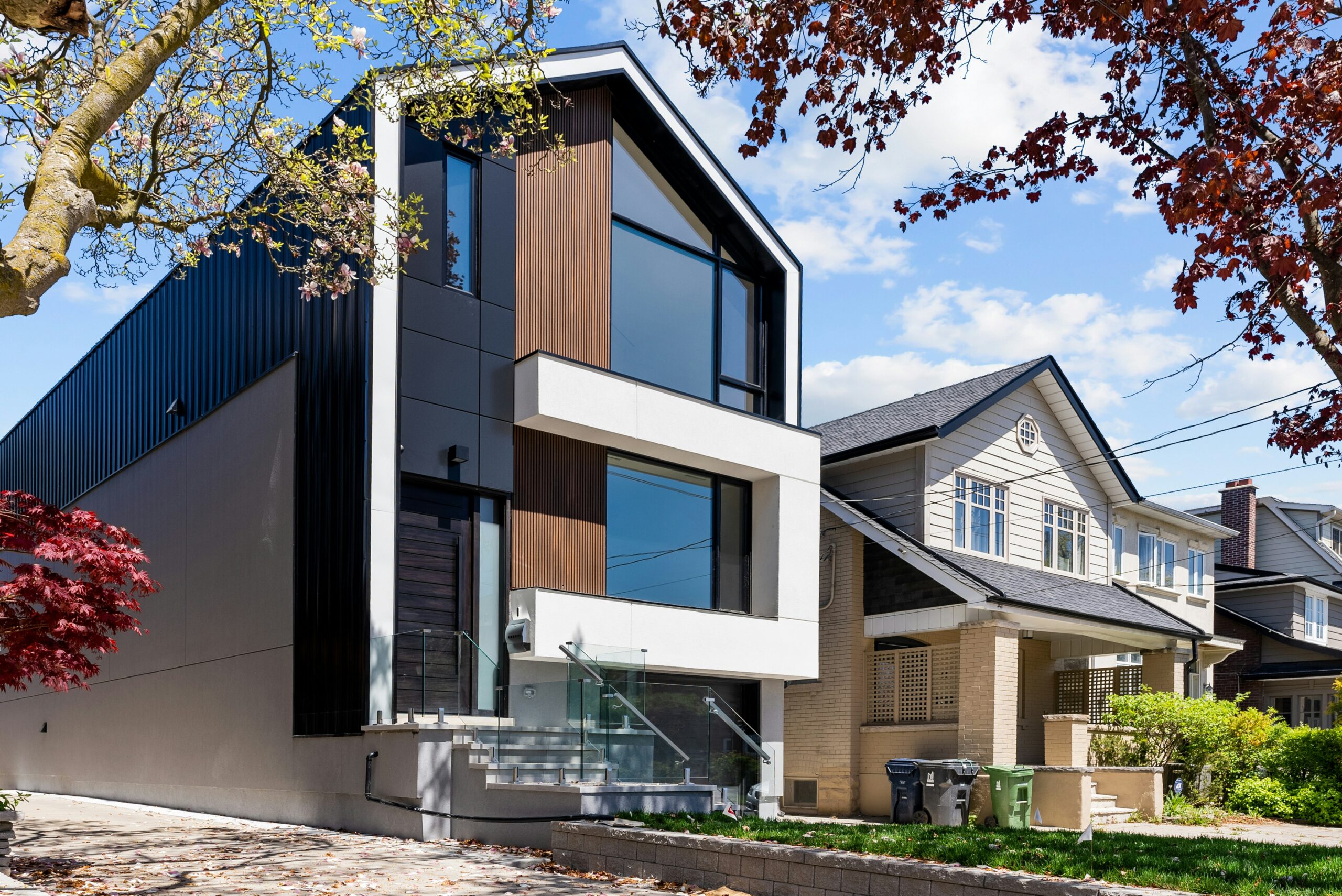
Transforming Street Lessons Into Real Estate Success (The Blueprint)
If you’ve ever felt like your background or past mistakes disqualified you from building wealth, this post is proof that your street smarts are actually one of your greatest advantages. Real estate isn’t just for Wall Street investors—it’s for anyone willing to learn the rules of the game and apply the knowledge they already have from life.
In this post, I’m sharing the “Street BRRRR” blueprint: how to go from owning land to building houses, getting appraisals, pulling cash out, and renting properties for long-term wealth. Whether you’re starting with cash or credit, this method works—especially when you protect your assets with an LLC or Trust from day one.
Street Lessons That Translate Directly Into Real Estate Power
Believe it or not, the same instincts that kept you sharp in the streets can turn you into a real estate powerhouse.
Understanding Risk and Reward
In the streets, you learn to calculate moves quickly: when to step back, when to push forward, and how to maximize returns with minimal exposure. Real estate works the same way. Every property purchase, renovation, and rental decision involves calculated risk. Recognizing risk and knowing how to manage it gives you an edge most traditional investors don’t have.
Resourcefulness and Street Smarts
Street life teaches you how to make something out of nothing. That ability to improvise is invaluable when flipping a lot into a rental property. Knowing how to source cheap materials, find reliable contractors, or negotiate terms that benefit you directly translates into financial gains in real estate.
Reading People and Negotiating
Understanding human behavior, spotting opportunity, and negotiating like a pro—these are all skills developed outside of classrooms. In real estate, you’ll use these skills to identify trustworthy contractors, negotiate financing, and create win-win deals that protect your bottom line.
Why Your Story Is an Asset
Your journey gives you authenticity and credibility. Investors, partners, and lenders respect resilience. What some see as a rough past, you can leverage as proof of your determination and ability to navigate challenges.
Buying the Land: Lots Are the New Streets
The first move in this blueprint is buying land. Owning the land means you control the foundation for everything that comes next.
Why Starting With Lots Makes the Game Easier
- Cheaper than buying existing houses.
- Less competition than developed properties.
- Opportunities to design exactly what you want from scratch.
How to Find Good Lots
- Check tax lien lists for overlooked properties.
- Browse Zillow, Facebook Marketplace, or local listings.
- Network with wholesalers or landlords wanting to cash out.
Cash or Credit: Both Paths Work
Starting with cash allows for faster transactions and fewer hurdles, while building credit strategically can give you leverage to grow faster. Both methods are viable if you plan wisely.
Putting the Lot in an LLC or Trust
Never buy real estate in your personal name. LLCs and Trusts protect your assets, provide privacy, and can offer tax advantages. Establishing this structure from the beginning sets the foundation for safe, scalable growth.
Building the House: Where Your Street Smarts Come Alive
Once you own the land, the next step is bringing your vision to life—this is where your street knowledge and determination pay off.
Finding Affordable Builders or Contractors
Look for reliable, experienced contractors, and always check references. Avoid cutting corners, but don’t overspend unnecessarily. Building relationships with trustworthy professionals will save you time and money.
Keeping Costs Low Without Sacrificing Quality
- Use builder-grade materials strategically.
- Purchase some materials yourself at wholesale prices.
- Stick to a firm budget and schedule to avoid unnecessary costs.
Financing the Build
Options include hard money lenders, construction loans, or even business credit cards if managed wisely. Always plan the cash flow to cover materials, labor, and contingencies.
Keep the Build Under Your LLC or Trust
Maintaining clean ownership from start to finish protects your personal assets and simplifies future refinancing or transfers.
The Appraisal: Getting Paid for Your Work
After the house is built, the appraisal becomes your report card. The number on that sheet determines how much you can pull out for future deals.
How Appraisals Work for New Construction
Appraisers focus on the “after-build value,” which often gives new builds a higher appraisal than rehabs. Your goal is to maximize the property’s perceived value while staying realistic.
Getting the Highest Possible Appraisal
- Comp strategically with similar homes in the area.
- Highlight upgrades that increase value.
- Document every aspect of the property with photos and receipts.
Why Documentation Matters
Clean, organized records make the appraisal process smoother and more credible, helping you secure the highest possible cash-out amount.
Taking the Money Out: The Cash-Out Refi Play
This is the part everyone loves—turning your property into capital you can reinvest in new opportunities.
Banks That Love New Builds
- Credit unions
- Community banks
- Portfolio lenders who handle unique properties
Understanding Loan-to-Value (LTV)
You can typically refinance up to 75–80% of the appraised value, giving you tax-free money to reinvest in the next property.
Why Cash-Out Refi Money Is Tax-Free
Because you’re borrowing, not earning, the money is not considered taxable income. This allows you to scale quickly without paying huge taxes upfront.
Keep the Loan Under the LLC/Trust
Maintaining the loan under your business entity keeps personal assets safe and simplifies accounting for growth.
Renting Out the House: Cash Flow Forever
Now that the bank has reimbursed you, it’s time to let the property make money every month.
Section 8 vs. Market Rent
- Section 8: guaranteed rent from the government.
- Market rent: potentially higher returns, but slightly more risk.
Systems to Keep Your Rental Stress-Free
- Hire a property manager or team.
- Use online payment and communication tools.
- Screen tenants carefully for reliability.
Protecting the Rental Through Your LLC/Trust
This ensures tenants cannot go after your personal assets and simplifies tax reporting.
The Street BRRRR vs. Traditional BRRRR
Traditional BRRRR focuses on rehabbing existing houses, but this blueprint flips the script by building new homes from the ground up.
Why This Method Works Better in Many Areas
- Fresh construction means fewer repairs.
- Better appraisals translate to larger cash-out amounts.
- Greater control over quality and layout.
Lower Competition, Higher Control
Most investors ignore vacant lots, giving you the opportunity to enter a market with minimal competition.
Starting With Cash vs. Starting With Credit
No matter where you’re starting—cash in your pocket or a modest credit score—you can make this blueprint work.
If You’re Starting With Cash
Use your savings to secure lots and pay contractors. Cash can fast-track your first deals and gives you leverage when negotiating with builders.
If You’re Starting With Credit
Build credit smartly through secured cards or small business lines. Use this leverage to finance lots, construction, and future properties.
Leveraging Credit Without Becoming Overleveraged
- Never max out your cards.
- Pay attention to interest rates and terms.
- Use balance transfers strategically to keep liquidity available.
Why You Need an LLC or Trust Before Anything Else
If you take no other advice from this blueprint, take this: protect yourself and your assets from day one.
LLC vs. Trust — Which Should You Choose?
LLCs protect your personal assets from liability. Trusts add privacy and can manage long-term inheritance. Many investors use both in tandem for maximum protection.
Privacy, Lawsuits, and Tax Benefits
Placing property under an entity shields you from lawsuits, simplifies taxes, and keeps your name out of public records.
How to Set Up a Simple Structure
- 1 LLC per property or a series LLC for multiple holdings.
- Have the trust own the LLC.
- You remain invisible while maintaining control.
Mistakes First-Time Street-to-Real-Estate Investors Make
Most mistakes aren’t about money—they’re about mindset, planning, and patience.
- Rushing builds and overspending on upgrades.
- Not vetting contractors thoroughly.
- Mixing personal and business funds.
- Not knowing your exit strategy from day one.
The Long-Term Play — Building a Portfolio Your Kids Inherit
Once you master this system, your goal shifts from flipping deals to creating a legacy your family can’t lose.
How One Property Turns Into Five
By refinancing and reinvesting, you can multiply your holdings quickly and consistently.
Tax Advantages Over a Lifetime
Real estate offers depreciation, tax deductions, and wealth-building opportunities that stock markets can’t match.
Generational Wealth Through Trust Ownership
Setting up a trust ensures that your properties pass seamlessly to the next generation, preserving your street knowledge for years to come.
Conclusion
You don’t need a perfect past to build a powerful future. Real estate doesn’t care where you started; it only cares about consistency, strategy, and execution. By following this “Street BRRRR” blueprint, protecting your assets with an LLC or Trust, and applying your street lessons with discipline, you can transform your life and create lasting wealth.
FAQ
Can I start this blueprint with no cash?
Yes. You can start with business credit, small loans, or partnerships. Even a single lot purchase can launch your portfolio if managed carefully.
Do I need construction experience to build houses?
No. You need to find reliable contractors and manage the project. Your role is oversight, budgeting, and strategy.
Why should I use an LLC or Trust?
LLCs protect personal assets from lawsuits, while Trusts provide privacy and inheritance planning. Together, they maximize protection and flexibility.
How quickly can I scale this strategy?
Scaling depends on your cash flow, credit, and reinvestment strategy. Many investors double their holdings every 1–2 years using the cash-out refi method.
What’s the difference between this and traditional BRRRR?
This blueprint builds houses from scratch, which lowers repairs, increases appraisal value, and avoids competition from rehab investors.