20 Trades That AI Can’t Replace (and Why They’ll Always Need Humans)
🏁 Introduction: The Real Future of Work Isn’t All Robots
When people talk about artificial intelligence taking over jobs, it’s easy to imagine a future filled with robots building homes, fixing pipes, or teaching kids. But let’s pause for a second — is that really realistic?
The truth is, while AI is transforming many industries, there are certain trades and careers that depend on human hands, judgment, and emotional intelligence. These jobs require something technology simply can’t replicate: adaptability, touch, empathy, and creativity.
In this post, we’ll explore 20 trades that AI can’t replace, why they’re future-proof, and how you can build a career in one of these fields that will thrive well beyond the next 25 years.
⚙️ Why AI Can’t Replace Every Job
Before diving into the list, it helps to understand why some jobs are untouchable.
AI is incredibly powerful when it comes to repetitive or data-driven tasks — analyzing information, making predictions, and automating processes. But when it comes to physical skill, human connection, and emotional reasoning, AI hits a wall.
It can’t improvise when something breaks unexpectedly. It can’t feel when a customer is anxious or scared. And it can’t truly create art, empathy, or trust — the things that make humans uniquely valuable.
The future of work won’t be humans versus AI — it’ll be humans using AI as a tool. But for many trades, that tool will never replace the person holding it.
🔧 Trades That Will Stand the Test of Time
Let’s explore 20 trades that are built on skills no machine can fully replace. From construction sites to hospitals, these careers depend on real-world problem-solving, craftsmanship, and compassion.
🧰 A. The Essential Hands-On Experts
These are the backbone of every community — the skilled workers who keep our homes, vehicles, and cities running smoothly.
1. Electricians
Electricians do much more than connect wires. They read blueprints, navigate complex systems, and make safety-critical decisions. Every job site is unique, and that’s something AI simply can’t predict or handle without human supervision.
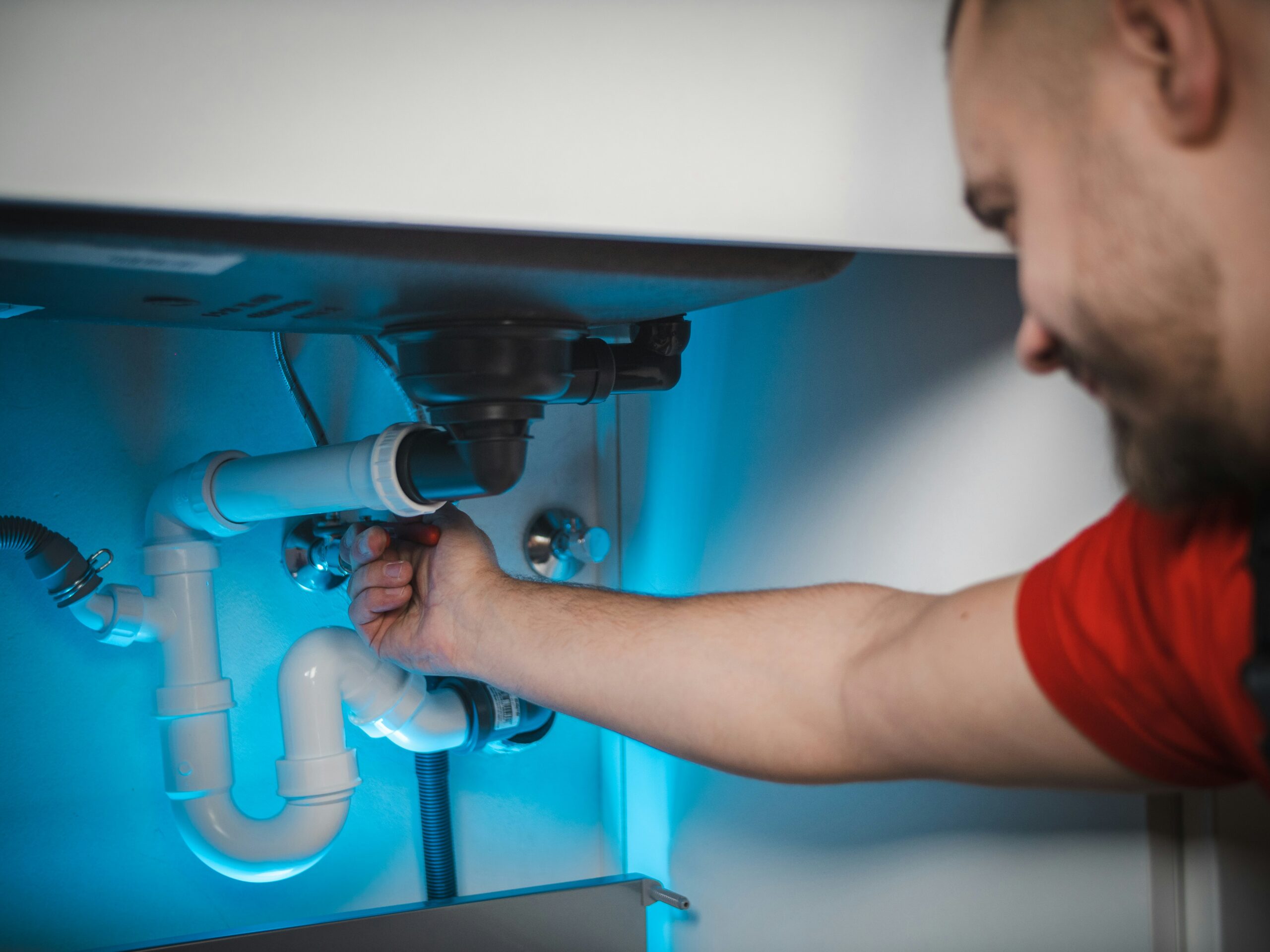
2. Plumbers
Plumbing problems are rarely identical. From diagnosing leaks to installing new systems, plumbers rely on experience, intuition, and quick thinking — skills that can’t be automated.
3. HVAC Technicians
Heating and cooling systems vary from building to building. HVAC techs must assess air flow, diagnose failures, and make fine-tuned adjustments. These are complex, sensory-based tasks that require on-site human skill.
4. Mechanics / Auto Technicians
Modern cars might use AI, but repairing them still demands the sharp instincts of a trained mechanic. The mix of technology, mechanical understanding, and hands-on troubleshooting ensures this trade stays in human hands.
5. Carpenters & Builders
Carpenters bring visions to life — creating custom homes, furniture, and detailed finishes. Precision, creativity, and working with natural materials make this craft impossible to duplicate with code.
🏗️ B. The Infrastructure Keepers
From city skylines to backyard decks, these professionals maintain the physical world around us.
6. Welders / Fabricators
Welding is part art, part science. Every project involves different materials, angles, and tolerances. A welder’s ability to adapt in real time makes them indispensable.
7. Heavy Equipment Operators
Operating cranes, bulldozers, and excavators takes judgment, environmental awareness, and teamwork. Even with automation, humans are still essential for safety and precision.
8. Home & Building Inspectors
Inspectors evaluate everything from foundation cracks to roof stability. AI can collect data, but only a trained human can understand subtle context and make professional safety judgments.
9. Locksmiths / Security Technicians
AI might enhance digital security, but when you’re locked out of your house or need a custom security system, it’s a human locksmith who comes through — literally.
10. Landscapers & Arborists
Nature can’t be programmed. Landscapers and arborists rely on artistic sense and environmental understanding to create and maintain beautiful, functional spaces.
❤️ C. The Human-Touch Professions
These careers rely on empathy, emotional intelligence, and human connection — qualities AI cannot imitate.
11. Nurses / EMTs
AI can assist with diagnostics, but nurses and EMTs provide comfort, reassurance, and life-saving care in real time. Their intuition and compassion are irreplaceable.
12. Therapists & Counselors
Mental health care is deeply personal. No algorithm can replace the empathy, understanding, and human presence that a trained counselor brings.
13. Teachers & Educators
AI can deliver lessons, but it can’t inspire curiosity or tailor its approach to every student’s emotions, learning style, or struggles. Great teachers change lives — not just test scores.
14. Social Workers
Social work involves advocacy, listening, and emotional support. These roles require human connection, cultural awareness, and moral judgment that no computer can duplicate.
15. Physical & Occupational Therapists
Healing requires trust, motivation, and physical interaction. Therapists help people rebuild their strength and independence — something AI can never feel or physically guide.
🎨 D. The Creative Craft Masters
AI can generate images or music, but it can’t recreate genuine human expression. Creativity is one of the last true frontiers of humanity.
16. Chefs / Bakers / Mixologists
Cooking is about passion, flavor, and storytelling through food. While AI can suggest recipes, only humans can feel, taste, and innovate in a kitchen.
17. Artists / Designers / Muralists
Art reflects the human experience — emotion, struggle, joy, and imagination. That soul connection is what keeps artists timeless and AI imitators hollow.
18. Musicians / Performers / DJs
Live music is about energy and interaction. A robot can play notes, but it can’t feel rhythm, audience emotion, or the thrill of performance.
🦺 E. The Protectors and Leaders
These professionals embody bravery, judgment, and leadership — traits technology can’t simulate.
19. Firefighters / Police Officers / First Responders
Emergencies are unpredictable. Responders make split-second life-or-death choices that rely on human instinct, courage, and compassion.
20. Construction Managers / Site Foremen
While AI can optimize schedules, only a skilled leader can manage people, handle unexpected issues, and ensure safety and quality on complex projects.
💡 What These Trades All Have in Common
If you look closely, every trade on this list shares three things: skill, service, and soul.
They require hands-on expertise that adapts in real time, empathy that connects with others, and creativity that solves problems. They aren’t just “jobs” — they’re crafts that take years of experience to master.
In short, these careers evolve with technology rather than being replaced by it. AI might assist electricians with diagnostics or help nurses with scheduling, but it will never take over the essence of the work itself.
🚀 How to Future-Proof Your Career
Even if you’re already in one of these trades, the key to staying relevant is learning to work with AI, not against it.
Here are a few smart ways to stay ahead:
-
Use AI tools to your advantage.
Let technology handle the repetitive stuff — quotes, reports, or scheduling — while you focus on the high-value skills that require human judgment. -
Keep learning and upgrading your certifications.
The more specialized your skills, the harder it is for anyone (or anything) to replace you. -
Develop strong soft skills.
Communication, empathy, leadership, and adaptability are the human edge in an AI world. -
Encourage the next generation.
Skilled trades are in huge demand. Inspire young people to see these careers as high-paying, fulfilling, and future-proof paths.
💬 The future doesn’t belong to robots — it belongs to humans who know how to use technology to make their work even better.
🌟 Final Thoughts: The Human Advantage
AI is here to stay, but so are humans — especially those who can do what no machine ever will.
These 20 trades remind us that the future of work isn’t about replacing people; it’s about empowering them. Hands-on skill, emotional intelligence, and creativity will always matter, no matter how advanced technology becomes.
So whether you’re building homes, healing patients, or creating art, take pride in knowing that your work represents something AI will never replicate: the human touch.
❓ Frequently Asked Questions (FAQ)
1. Will AI ever fully replace skilled trades like electricians or plumbers?
No. While AI can assist with design or diagnostics, trades like electrical work and plumbing require on-site human decision-making, adaptability, and safety awareness — things machines can’t manage alone.
2. What trades are most future-proof against AI?
Hands-on and people-centered careers like electricians, welders, nurses, therapists, and teachers are among the most future-proof. These roles involve creativity, empathy, or physical skill.
3. How can trade workers use AI to their advantage?
Tradespeople can use AI for estimating jobs, managing inventory, scheduling, or customer communication — freeing up more time for hands-on work and higher-quality service.
4. Are trade jobs still worth pursuing in the AI age?
Absolutely. Skilled trades are in high demand and often pay more than entry-level office jobs. As automation increases, trades will become even more valuable.
5. Can AI help improve safety for human workers?
Yes. AI can enhance safety by predicting equipment failures or monitoring job site conditions. However, human oversight remains essential to interpret and act on that data effectively.
6. What’s the best way to start a trade career today?
Explore trade schools, apprenticeships, or certification programs in your area. Many offer job placement support and fast entry into stable, high-paying fields that will stay strong for decades.