The Entrepreneur’s Guide to Building a Barndominium and Controlling Every Cost
If you’re an entrepreneur, chances are you’ve already learned that the smartest financial decisions are rarely the most traditional ones. Whether you’re scaling a business, growing a brand, or just trying to maximize your lifestyle without overspending, you know how to spot an opportunity—and a barndominium is exactly that. More entrepreneurs than ever are choosing to build instead of buy, acting as their own general contractor, and turning a simple home into a powerful wealth-building asset.
This guide breaks down everything you need to know to build a barndominium that fits your lifestyle, your budget, and your long-term goals. From cost breakdowns to step-by-step project flow to the hidden savings that most people never realize, this article will walk you through the entire process in a conversational, easy-to-understand way.
Whether you’re dreaming about a custom home with office space, a warehouse for your business, a killer content studio, or simply a property with more freedom and less overhead, a barndominium offers flexibility traditional homes can’t match. Let’s dive in.
Why Barndominiums Are Becoming a Smart Choice for Entrepreneurs
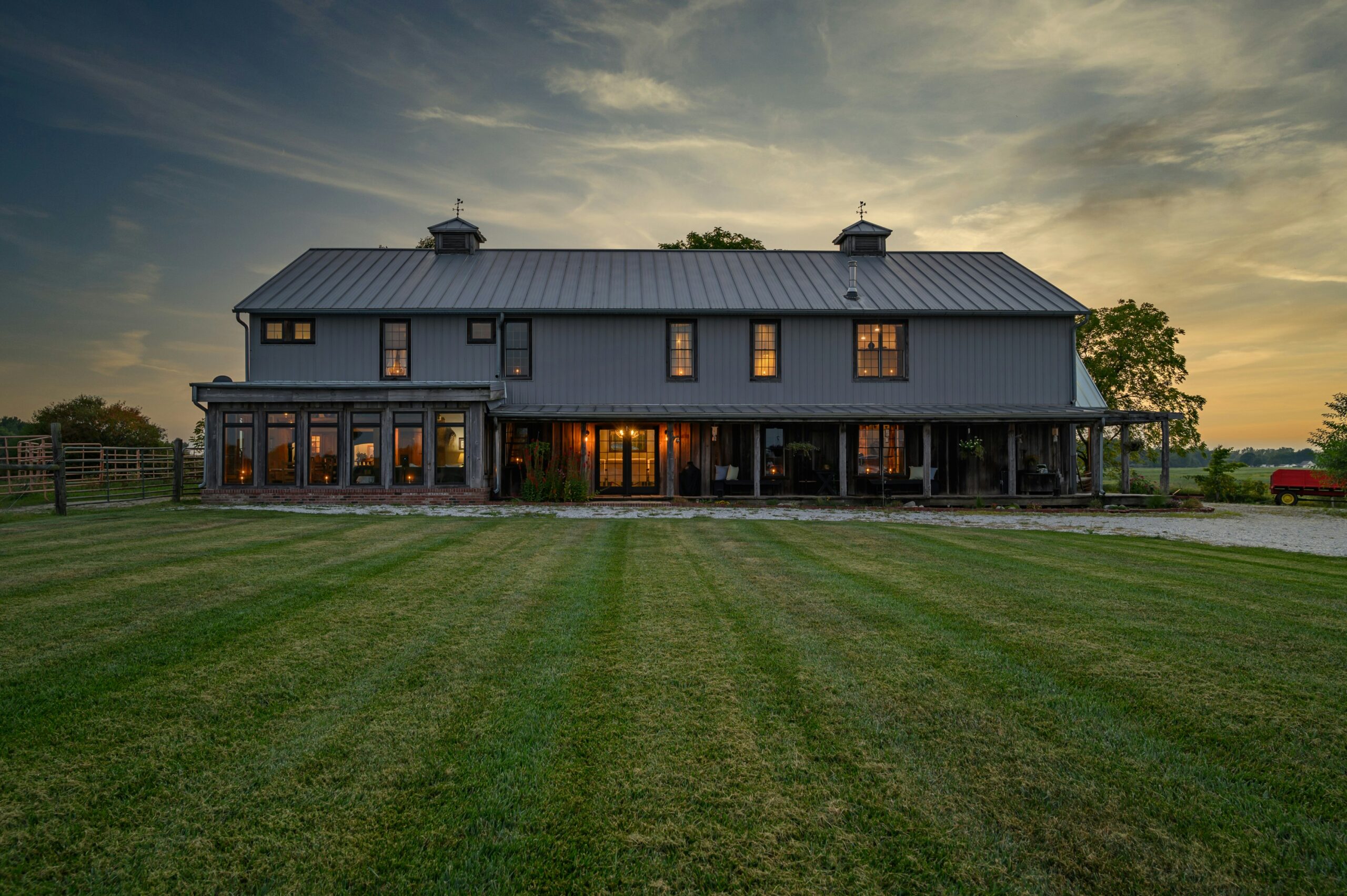
Barndominiums—modern metal homes with wide-open layouts—are exploding in popularity, and it’s no coincidence that entrepreneurs are leading the movement. These aren’t just homes; they’re hybrid living spaces that can integrate personal, professional, and creative lifestyles all under one roof.
Unlike a traditional house, a barndominium gives you the freedom to build the way you want without paying inflated prices for every little upgrade. The cost per square foot is often significantly lower, and the construction timeline is usually faster because the metal shell goes up quickly.
What Makes Barndominiums Different?
Barndominiums provide extended flexibility in design and function. You can include oversized garages, workshops, content studios, storage spaces, home gyms, lofts, wide-open living areas, and large kitchens—all without construction limitations that come with a standard framed house. Entrepreneurs who value simplicity, customization, and low maintenance find barndos extremely appealing.
- Open-concept layouts
- High ceilings and wide spans
- Customizable rooms and workshops
- Low maintenance and long-term durability
- Energy-efficient insulation options
In short, a barndominium gives entrepreneurs freedom—something every business owner appreciates.
The Entrepreneurial Advantage: Why Business-Minded People Choose Barndos
Entrepreneurs think differently. They don’t just want a home—they want an asset. A barndominium fits that mindset perfectly.
Instead of paying top dollar for a traditional house with limited layout options, entrepreneurs can design a barndominium that matches their exact needs. Want a photography studio? Add it. Need a warehouse-style garage for equipment? Build it. Looking to keep work and home in the same place but still separate? Easy.
Entrepreneurs often value:
- ROI-driven decisions
- Creative freedom
- Customization without unnecessary markups
- Low monthly overhead
- Multi-purpose property usage
Barndominiums deliver all of these—and more.
Understanding the Real Costs of a Barndominium
Before you can control costs, you must understand them. Building a barndominium includes several layers of expenses, and knowing where the money goes helps you make better decisions.
Breaking Down the Main Cost Categories
Here’s what you can expect when budgeting for a barndominium:
- Land acquisition: Price varies greatly based on location, utilities, and zoning.
- Site prep and dirt work: Clearing, leveling, grading, and preparing for the slab.
- Concrete slab: Often the largest early cost.
- Metal shell / kit: Includes walls, roof, and basic structure.
- Interior framing: Walls, rooms, hallways, and layout buildout.
- Electrical, plumbing, HVAC: Essential systems that must meet code.
- Insulation: Spray foam is common and energy-efficient.
- Drywall and interior finishing: Where quality can vary widely.
- Windows and doors: A major cost you can control by shopping smart.
- Flooring, cabinetry, and fixtures: Often where people overspend.
Many homeowners underestimate these details, but entrepreneurs tend to plan ahead—and that mindset pays off big in a build like this.
Acting as Your Own General Contractor: The Entrepreneur’s Secret Weapon
If you can manage a team, juggle schedules, negotiate prices, and keep a project moving forward, you may be more prepared than you think to act as your own general contractor.
This is where entrepreneurs save the most money. A GC typically earns 10–25% of the construction budget. On a $350,000 build, that’s $35,000–$80,000 in savings just for self-management.
What a General Contractor Does
GC responsibilities include:
- Coordinating subcontractors
- Scheduling each project phase
- Securing materials
- Managing inspections
- Ensuring code compliance
- Keeping the budget on track
If you already manage people or processes in your business, the transition to managing a home build is natural.
Tools to Stay Organized
- Trello or Asana for scheduling
- Google Sheets for budgeting
- Home Depot Pro or Lowe’s Pro for materials tracking
- Local Facebook contractor groups for recommendations
Entrepreneurs excel at solving problems creatively—and that’s exactly what a GC does daily.
Step-by-Step Guide to Building Your Barndominium
Once you understand the flow, the process becomes far more manageable. Here’s the general timeline.
Step 1: Purchase Land
Ensure zoning allows metal homes. Look for land with existing utilities to save thousands.
Step 2: Design Your Floor Plan
This is where your vision becomes a blueprint. Think long-term, not just for today.
Step 3: Order the Metal Shell
The shell sets the tone for delivery dates, foundation work, and your project timeline.
Step 4: Hire Subcontractors in the Correct Order
- Concrete
- Shell assembly
- Framing
- Plumbing & electrical
- HVAC
- Insulation
- Drywall
Step 5: Install Utilities
Septic, water, power, and internet must be coordinated early.
Step 6: Interior Build-Out
Walls, trim, cabinetry, closets, flooring, and finish work come together here.
Step 7: Final Inspections
This is where everything is checked for safety, code compliance, and quality.
Step 8: Move In
Your equity begins the moment you get the keys.
Common Hidden Costs You Can Avoid
Even with great planning, surprises happen. But you can avoid most of them with foresight.
- Underestimated dirt work — one of the biggest budget busters.
- Not pre-ordering windows or doors — delays can add rental housing costs.
- Electrical overages — extra lights or outlets add up fast.
- HVAC miscalculations — barndos need proper zoning.
- Scope creep — changing your mind mid-project increases costs.
Entrepreneurs generally handle these obstacles well because they’re accustomed to unpredictable business environments.
How to Keep Your Build Under Budget Without Cutting Quality
You don’t have to downgrade your dream home to stay on budget—you only need to spend strategically.
Spend More On:
- Insulation
- Windows and doors
- Kitchen layout and plumbing
- Structural enhancements
Spend Less On:
- Light fixtures
- Flooring
- Paint
- Vanities and mirrors
Many finishes can be swapped or upgraded later. Prioritize the bones now.
Designing a Barndominium That Builds Wealth
A smart design increases your resale value and opens up future income streams.
Wealth-Boosting Design Tips
- Add a rental suite or separate entrance.
- Create a workshop or warehouse for business use.
- Include a loft to increase liveable space cheaply.
- Oversize the garage—resale buyers love storage.
- Design with AirBnB potential.
By thinking beyond “just a home,” entrepreneurs build properties that grow with them.
Common Mistakes First-Time Builders Make
Every project has challenges, but these errors are the most costly—and most avoidable.
- Building without a contingency fund
- Scheduling subs too tightly
- Forgetting permits or inspections
- Ignoring long-term HVAC planning
- Not designing storage areas
- Underestimating lead times
- Choosing cheap windows or doors
Entrepreneurs, however, are naturally wired to avoid many of these mistakes because they understand logistics and planning.
Conclusion: The Smartest Housing Move Entrepreneurs Can Make
At the end of the day, building a barndominium isn’t just about creating a home—it’s about creating an asset that appreciates, adapts, and provides long-term value. Entrepreneurs thrive when they’re in control, and a barndominium gives them that control from start to finish.
By acting as your own general contractor, designing your space with purpose, and managing your budget strategically, you can build a home that not only reflects your lifestyle but also supports your future goals. Whether you want flexibility, freedom, or financial advantages, a barndominium delivers on all fronts.
This is more than a house—it’s a smart move. A wealth move. An entrepreneur move.
FAQ
Are barndominiums cheaper than traditional houses?
Yes. Barndominiums often cost less because the metal shell structures are faster to build and require fewer materials. Acting as your own GC can reduce costs dramatically.
How long does it take to build a barndominium?
Most builds take 5–12 months depending on size, complexity, and subcontractor availability. The metal shell typically goes up much faster than a framed home.
Can a barndominium increase in value?
Absolutely. With the rising popularity of barndos, many homeowners see strong appreciation, especially when built on quality land with a well-designed floor plan.
Is financing easy for a barndominium?
More lenders now offer barndominium loans, especially in rural areas. A strong plan, a contractor list, and a clear budget help streamline approval.
Can I include a business or workspace inside my barndominium?
Yes—this is one of the biggest advantages. Home studios, workshops, gyms, content rooms, offices, and warehouses are common features.
Do barndominiums last as long as traditional homes?
In many cases, longer. Metal structures resist pests, moisture, and rot better than wood framing.