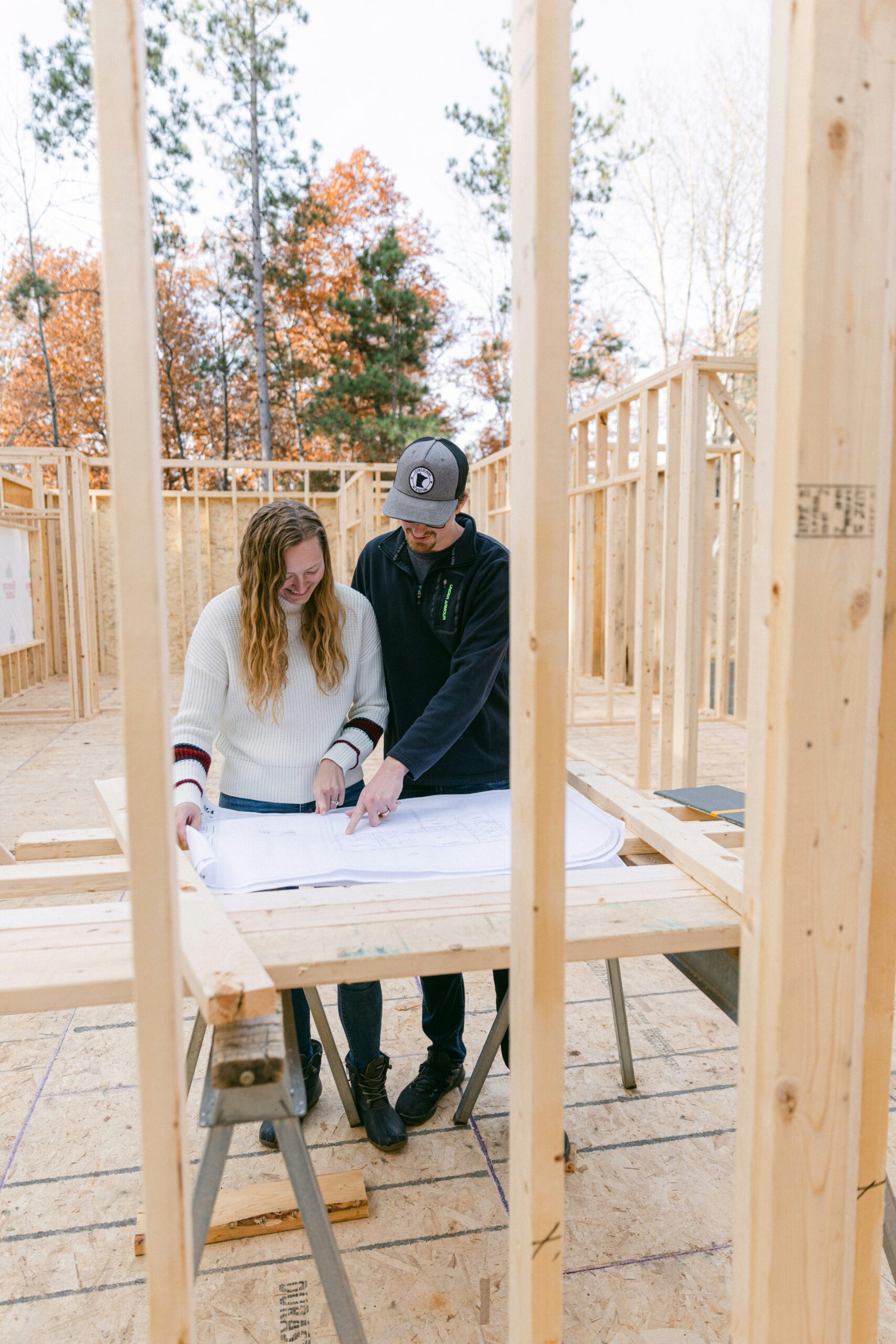
How Smart Builders Are Earning $100K a Year on Just a Few Smart, 3-Bedroom Homes
Think you need a massive construction company to make serious money building homes? Think again. Small-scale home building is a growing opportunity, and with the right approach, you can earn six figures per year constructing just a handful of 3-bedroom, 2-bath, 1,400–1,600 sq ft smart homes. These homes are simple, roomy, and packed with features buyers love—without the massive overhead of large builders.
In this guide, we’ll explore why small-scale smart homes are profitable, break down the numbers, walk you step by step through getting started, and share insider tips for building and selling homes efficiently. Whether you’re an aspiring builder or someone curious about small-scale construction, this post will show you how to turn a few homes into a thriving six-figure business.
Why Small-Scale Smart Homes Are a Game-Changer
Building a handful of smart, functional homes each year isn’t just manageable—it’s profitable. Here’s why:
High Demand for Functional, Affordable Homes
Families, first-time buyers, and downsizing homeowners are all seeking homes that are practical, affordable, and comfortable. A well-designed 3-bedroom, 2-bath home in the right neighborhood checks all those boxes. By focusing on homes that meet real buyer needs, small builders can sell quickly and at competitive prices.
Smart Features Sell
Even modest smart home features—like programmable thermostats, smart locks, energy-efficient lighting, and simple automation—add value and appeal. Buyers increasingly expect modern tech, and small-scale builders can deliver it without breaking the budget.
Lower Overhead and Risk
Unlike large developers, small-scale builders manage fewer homes at a time. This reduces the stress of juggling multiple crews, massive budgets, and complex logistics. Lower overhead means more profit per home.
Flexibility and Control
Working on just 2–5 homes a year allows you to select neighborhoods, design layouts thoughtfully, and ensure quality. You control scheduling and workflows, which reduces costly mistakes and maximizes efficiency.
The Numbers: How 2–5 Homes Can Lead to $100K+ Per Year
Many people assume six-figure profits require dozens of homes annually. In reality, the right strategy with a small number of builds can achieve impressive results.
Cost vs. Profit Example
Let’s look at a typical 3-bedroom, 2-bath, 1,400–1,600 sq ft smart home:
-
Construction cost: $180,000–$220,000
-
Sale price: $250,000–$280,000
-
Net profit per home: $40,000–$50,000 (about 15–20%)
Annual Earnings Calculation
Building 3–5 homes a year at these margins gives you $100,000+ in annual profit. Even focusing on just 2 homes can net $80,000 if you manage costs carefully and include smart features buyers love.
Why Fewer Homes Can Mean More Profit
By limiting builds, you can invest more attention and quality into each home, increasing buyer satisfaction and your reputation. Higher quality means homes sell faster and often at a higher price, boosting your net profit.
Getting Started: Step-by-Step Roadmap for Small-Scale Builders
Starting a small smart home business might seem overwhelming—but breaking it down into clear steps makes it achievable.
Step 1: Education & Learning
Before swinging a hammer or designing floor plans, you need a solid foundation:
-
Take residential construction courses at local trade schools or online.
-
Learn about building codes, zoning laws, and smart home technology.
-
Understand budgeting, scheduling, and construction best practices.
Step 2: Gain Experience
Experience is critical:
-
Work under a licensed builder or contractor, focusing on residential projects.
-
Learn the ins and outs of framing, electrical, plumbing, and finishing.
-
Observe how projects are scheduled, how costs are tracked, and how challenges are managed.
Step 3: Get Licensed
Operating legally protects you and your clients:
-
Obtain a Residential Home Builder License in your state.
-
Purchase insurance and bonding to cover liability and project risks.
-
Ensure compliance with local permits and regulations for both construction and smart home tech.
Step 4: Plan Your First Build
Start small and manageable:
-
Select an affordable lot in a desirable neighborhood.
-
Design a 3-bedroom, 2-bath smart home with 1,400–1,600 sq ft. Keep it simple yet functional.
-
Budget materials, labor, and contingency funds carefully.
Step 5: Assemble Your Team
Even small builders rely on skilled support:
-
Hire trusted subcontractors for specialized tasks (plumbing, electrical, finishing).
-
Consider a project manager to coordinate schedules and ensure deadlines are met.
-
Build relationships with suppliers to secure quality materials at competitive prices.
Step 6: Build and Learn
Your first home is both a learning experience and a showcase:
-
Complete the build efficiently, documenting lessons learned.
-
Focus on smart tech integration, energy efficiency, and functional layouts.
-
Gather feedback from buyers or inspectors to improve future builds.
Step 7: Sell Smartly
Marketing is key:
-
Highlight smart features and functional design online.
-
Partner with local realtors to reach your target buyers.
-
Use your first home as a showcase to attract future clients.
Designing Smart, Roomy Homes on a Budget
Smart doesn’t mean complicated—or expensive.
Efficient Layouts
Maximize the 1,400–1,600 sq ft space with open floor plans, plenty of natural light, and functional living areas.
Simple, Roomy Design
Keep kitchens, bathrooms, and bedrooms practical and comfortable, avoiding wasted space. Simple, modern finishes enhance appeal without excessive costs.
Smart Features That Add Value
Energy-efficient HVAC, programmable thermostats, smart locks, LED lighting, and even basic home automation provide high perceived value at low incremental cost.
Finishing Touches
Affordable materials, clean lines, and modern aesthetics create a home that feels luxurious yet is cost-effective to build.
Controlling Costs Without Cutting Corners
Smart builders know that profit comes from careful cost control, not cutting quality.
-
Source durable, affordable materials and negotiate bulk pricing.
-
Use skilled subcontractors efficiently and schedule work strategically.
-
Integrate smart home tech without overcomplicating the build.
-
Plan for permits, inspections, and unexpected costs with a contingency fund.
Marketing and Selling Smart Homes
Building the home is only half the battle—selling it efficiently is crucial.
-
Use virtual tours, social media, and professional photos to showcase smart features.
-
Network with local realtors to accelerate sales.
-
Host open houses or community events to generate local interest.
-
Highlight the comfort, efficiency, and affordability of your homes to appeal to buyers.
Time Management and Scaling Smartly
Even small projects require excellent scheduling:
-
Plan 2–5 builds per year to avoid overlapping deadlines.
-
Delegate effectively to subcontractors and project managers.
-
Scale gradually—adding more homes only when your process is optimized.
-
Avoid burnout by keeping workloads manageable and realistic.
Tips from Successful Small Builders
Many small-scale builders are thriving—here’s what you can learn from them:
-
Focus on quality and smart design over quantity.
-
Build a strong local reputation—referrals are powerful.
-
Negotiate materials and labor strategically.
-
Plan for unexpected costs.
-
Keep marketing simple but effective.
Conclusion
Building just a few 3-bedroom, 2-bath smart homes a year doesn’t mean small dreams—it can mean a six-figure reality. By focusing on quality, managing costs, designing efficiently, and following a step-by-step approach from education to your first build, you can create a thriving small-scale home building business.
Start small, think smart, and let each home showcase your skills and vision. Your six-figure builder journey can start with just one home—and a clear plan to grow.
FAQ: Small-Scale Smart Home Building
Q1: How much experience do I need before building my first home?
A: Ideally, 1–3 years working under a licensed builder or contractor. Hands-on experience in framing, electrical, plumbing, and finishing is invaluable before taking on your own project.
Q2: Do I need a special license to build smart homes?
A: You need a Residential Home Builder License in your state. Smart features don’t require a separate license, but you must comply with local building codes, electrical, and safety regulations.
Q3: How much can I realistically make building 2–5 homes a year?
A: With 3-bedroom, 2-bath smart homes, net profit per home ranges from $40,000–$50,000. Building 3–5 homes a year can easily yield $100,000+ annually.
Q4: Are smart home features worth the investment?
A: Yes. Energy-efficient systems, programmable thermostats, smart locks, and LED lighting increase buyer appeal and perceived home value, often with minimal cost increases.
Q5: Can I start small and scale over time?
A: Absolutely. Start with 1–2 homes, learn the process, then scale as your experience, team, and reputation grow. Quality and efficiency should always come first.
Q6: What’s the best way to find clients for small-scale builds?
A: Use a combination of online listings, social media, realtor partnerships, and word-of-mouth referrals. Your first home will often serve as your most effective marketing tool.