Private School vs. Public School: Is $30,000 a Year Really Preparing Kids for Life?
Every year, parents across the country face a decision that feels equal parts emotional and financial. Do you write a tuition check the size of a car payment—or sometimes a mortgage—or do you trust the public school system and invest your money elsewhere? With private school tuition now averaging around $30,000 per year, the debate over private school vs public school has never been more relevant.
This conversation isn’t about shaming parents who choose private school or glorifying public education as a cure-all. It’s about asking a deeper, more practical question: What actually prepares kids for real life? And just as importantly, what is the best return on investment for your time, money, and energy as a parent?
Let’s break it down—honestly, thoughtfully, and without the marketing brochures.
What Private Schools Promise—and Why Parents Buy In
Private schools don’t command premium prices by accident. Many offer genuine advantages that appeal to families looking for stability, structure, and academic rigor.
Smaller Class Sizes and Individual Attention
One of the biggest selling points of private school is the promise of smaller classes. In theory, fewer students mean more personalized instruction, quicker feedback, and stronger relationships between teachers and students. For some children—especially those who thrive on attention—this can be a real benefit.
Academic Rigor and College Readiness
Private schools often emphasize advanced coursework, writing skills, and early exposure to AP or honors classes. College counseling is usually more hands-on, guiding students through applications, essays, and interviews with intention.
Structure, Discipline, and Consistency
Many parents appreciate the predictable environment private schools offer. Clear expectations, consistent discipline policies, and strong codes of conduct can create a sense of order that feels reassuring.
Social Capital and Networking
While uncomfortable to admit, private schools can offer early access to influential social circles. Students often learn how to speak confidently with adults, advocate for themselves, and navigate systems of authority.
These are real advantages. The question is whether they justify the cost—and whether they translate into long-term life readiness.
The True Cost of Private School: More Than Just Tuition
The tuition number on the website rarely tells the full story. Once families commit to private school, the financial obligations often expand.
Breaking Down the Numbers
At $30,000 per year, the math adds up quickly. Over 12 years, that’s $360,000—and that’s before pre-kindergarten, inflation, or additional fees.
Hidden and Overlooked Expenses
- Application and enrollment fees
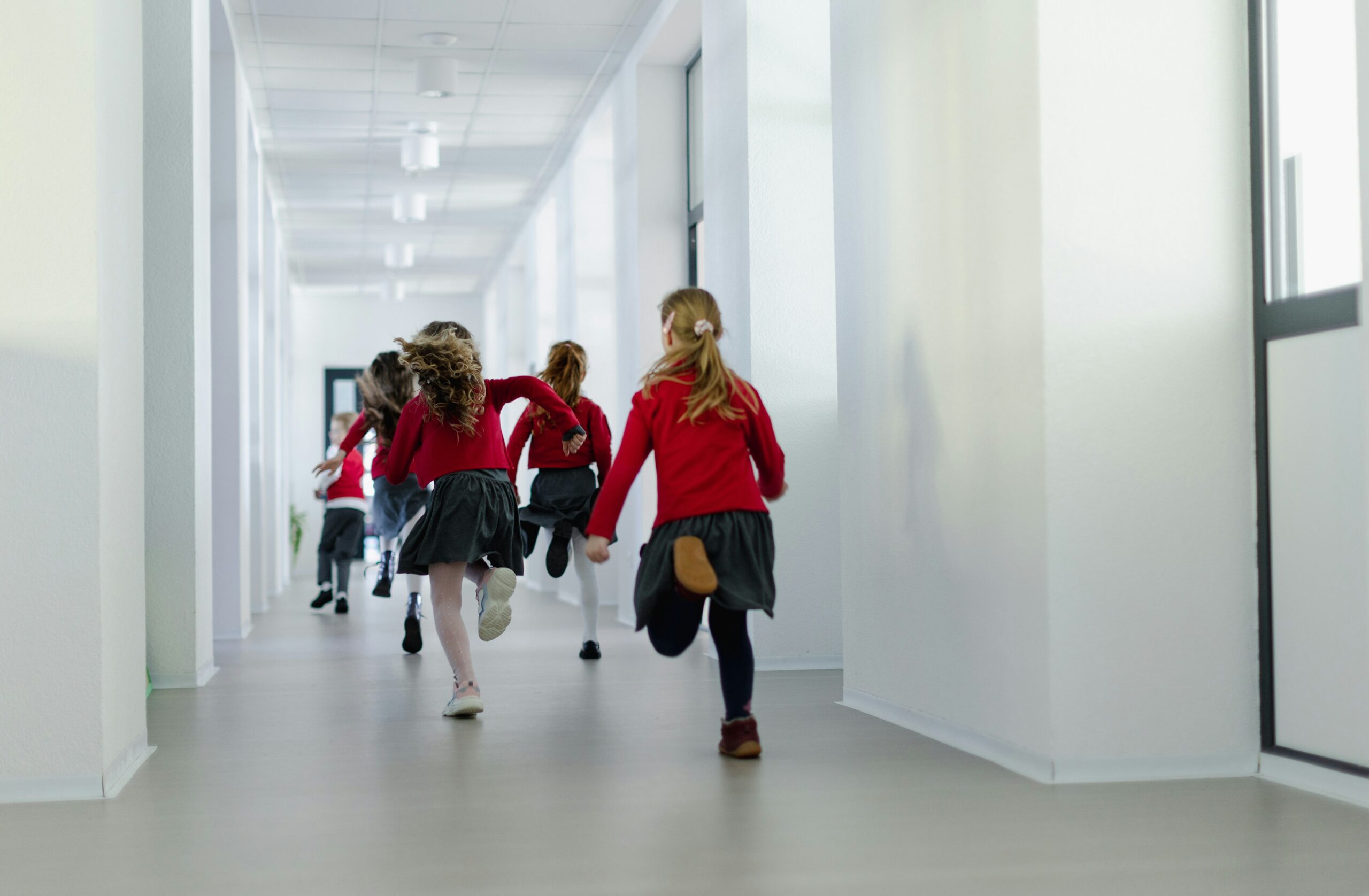
- Uniforms and dress codes
- Fundraising expectations or “voluntary” donations
- Field trips, travel sports, and extracurriculars
- Transportation costs
For many families, private school becomes a long-term financial commitment that limits flexibility elsewhere—retirement savings, investments, or even quality-of-life choices.
What Else Could $30,000 a Year Do for a Child?
This is where the conversation shifts from education to opportunity cost. Money spent on tuition is money that can’t be used elsewhere. So what are the alternatives?
Funding College Instead of Tuition
Investing $30,000 a year could dramatically reduce—or eliminate—student loan debt. A young adult who graduates debt-free starts life with options instead of obligations.
Early Investing and Financial Literacy
Imagine a teenager graduating high school with:
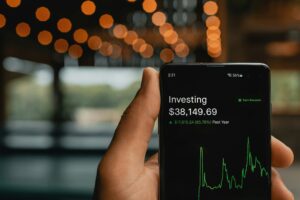
- A funded brokerage account
- A Roth IRA started early
- A real understanding of compound interest
These aren’t abstract lessons. They are tangible advantages that compound over time.
Skills Schools Rarely Teach
Public or private, most schools don’t teach practical skills like entrepreneurship, personal finance, or digital literacy in depth. That same tuition money could fund coding programs, business mentorships, or trade certifications.
Travel and Real-World Exposure
Extended travel, cultural immersion, or even short-term living abroad can teach adaptability, empathy, and independence in ways classrooms cannot.
Public School Isn’t the Villain It’s Made Out to Be
Public schools are often judged by headlines rather than everyday reality. While quality varies by district, many public schools quietly produce capable, resilient adults.
Diversity and Social Adaptability
Public schools expose students to people from different backgrounds, belief systems, and economic realities. Learning to navigate diversity is a life skill, not a liability.
Problem-Solving in Imperfect Systems
Public school students often learn to advocate for themselves, adapt to limited resources, and figure things out independently—skills that matter long after graduation.
Resilience and Independence
Without constant hand-holding, many public school students develop grit, self-reliance, and creativity. These traits often translate well into adulthood.
Are Private School Kids Better Prepared for Life?
This is the heart of the debate—and the answer isn’t simple.
Where Private School Students Often Excel
- Public speaking and confidence
- Comfort interacting with authority figures
- Understanding institutional systems
Where They May Be Less Tested
Some private school environments are highly structured and protective. While that can support academic success, it may delay exposure to failure, discomfort, or real-world consequences.
Life rarely follows a syllabus. Adaptability matters as much as achievement.
The Most Overlooked Factor: Parenting
School choice matters—but parenting matters more.
Engaged Parents Change Outcomes
An involved parent in a public school can outperform a disengaged parent at a $40,000 private institution. Curiosity, accountability, and resilience are modeled at home.
Teaching What Schools Don’t
Financial literacy, emotional intelligence, and critical thinking are rarely formal subjects. Parents who teach these skills give their children a lifelong advantage.
A Smarter Middle Ground for Many Families
The choice doesn’t have to be extreme.
- Public school paired with private tutoring
- Public school plus skill-based programs
- Private school during specific developmental years
Intentional choices often outperform expensive defaults.
How to Decide What’s Right for Your Family
Instead of asking what’s “best,” ask what aligns with your values.
- What kind of adult are you trying to raise?
- Is this choice financially sustainable?
- Are you investing money—or outsourcing involvement?
Frequently Asked Questions
Is private school always better than public school?
No. Outcomes depend heavily on parental involvement, the individual child, and how education is supported at home.
Do private school kids perform better academically?
Often yes, but academic success doesn’t automatically translate to life skills or independence.
Is $30,000 a year worth it for education?
It depends on what you value and what alternatives you’re giving up. Opportunity cost matters.
Can public school students still get into top colleges?
Absolutely. Many top-performing students come from public schools with strong academic and extracurricular records.
What matters more than school choice?
Parental engagement, emotional support, and teaching real-world skills consistently matter more.
Conclusion: Education Is a Tool, Not a Guarantee
Private school can be a powerful tool. So can $30,000 invested intentionally. The mistake is assuming tuition alone prepares a child for life.
The world doesn’t care where you went to school. It cares what you can do, how you adapt, and whether you can stand on your own.
And that lesson isn’t taught by any institution—it’s taught through experience, guidance, and intention.