Why Power-Only Trucking Is the Smart Way to Stay in the Game After Retirement
Retirement doesn’t always mean parking your rig for good. For many experienced drivers, the open road still calls — just not the long hauls, heavy responsibilities, or endless schedules. That’s where Power-Only trucking comes in. It’s a simple, profitable, and flexible way to stay in the game without the grind of full-time trucking.
Power-Only trucking lets you use your semi to pull trailers that belong to someone else — no need to own or maintain your own trailer. Whether you’re semi-retired or easing into part-time work, it’s one of the most practical ways to make money while keeping your freedom intact.
What Is Power-Only Trucking?
Power-Only trucking means you supply the “power” (your truck and yourself as the driver), and the shipper or broker supplies the trailer. You simply hook up, haul the load, and return or drop the trailer where needed.
From dry vans to reefers, flatbeds to containers — the type of trailer can vary by load. This setup saves you from the cost, maintenance, and storage issues that come with trailer ownership.
Why Retired or Semi-Retired Drivers Love Power-Only Work
No Trailer Costs or Maintenance
You only need your tractor. That means no trailer payments, no tire costs, no brake repairs, and no downtime waiting for maintenance.
More Flexibility, Less Pressure
You can pick loads on your schedule — work two or three days a week, or just run weekends. Power-Only gives you control over when, where, and how long you want to work.
Steady Demand and High Payouts
Shippers, ports, and brokers are constantly looking for Power-Only drivers to move empty or loaded trailers. Rates typically range from $2.00 to $3.50 per mile, depending on region and lane type.
Easier to Manage Physically and Mentally
Power-Only hauls are often drop-and-hook, which means less waiting, no unloading, and less physical strain.
How to Get Started in Power-Only Trucking
Step 1: Buying the Right Semi Truck
You don’t need a brand-new rig to run Power-Only — reliability matters more than flash. Look for:
- Year/Model: 2015 or newer
- Mileage: Ideally under 700,000 miles
- Engine/Transmission: Easy-to-find parts
- Fuel Efficiency: 6.5–8 mpg or better
- Maintenance Costs: Keep under $0.25/mile
You can often find a solid used truck for $45,000–$75,000. Financing is available for retirees with good credit.
Step 2: Getting Your Operating Authority
If you plan to haul under your own name, you’ll need a USDOT and MC number from the FMCSA (~$300). Also required:
- BOC-3 (Process Agent Form)
- Insurance coverage (minimum $750,000, brokers often require $1M)
Waiting period for activation: 2–3 weeks. Alternatively, lease onto another carrier to run Power-Only loads under their authority.
Step 3: Set Up Your Trucking Business
- Form an LLC for liability protection
- Get an EIN for taxes
- Open a business checking account
- Set up bookkeeping (QuickBooks or TruckerPath)
- Purchase commercial truck insurance
- Put decals on your truck with your company and DOT number
- Get a fuel card (RTS, TCS, EFS)
- Use load boards like DAT or Truckstop for finding freight
Step 4: Finding Power-Only Loads
Major load boards and brokers include:
- DAT Power / DAT One
- Truckstop.com
- JB Hunt 360
- Amazon Relay
- C.H. Robinson
- Landstar Load Board
Tip: focus on lanes within 250–400 miles for part-time work and more home time.
Step 5: Example Part-Time Power-Only Load Runs
Here are realistic examples showing gross pay, expenses, and net profit.
Weekend Warrior Load
- Route: Charlotte, NC → Atlanta, GA (260 miles)
- Rate: $2.85/mile
- Gross Pay: $741
- Fuel Cost: $195
- Tolls: $20
- Other Expenses: $65
- Net Profit: $461
Local Drop & Hook Run
- Route: Greensboro, NC → Charlotte, NC (100 miles each way)
- Rate: $2.50/mile
- Gross Pay: $500
- Fuel Cost: $80
- Other Expenses: $30
- Net Profit: $390
Regional 2-Day Run
- Route: Greenville, SC → Nashville, TN (350 miles each way)
- Rate: $2.65/mile
- Gross Pay: $1,855
- Fuel Cost: $275
- Lodging & Food: $120
- Miscellaneous: $70
- Net Profit: $1,390
Step 6: Know Your Operating Costs
- Fuel: $0.70/mile
- Insurance: $0.15/mile
- Maintenance: $0.20/mile
- Tires/Repairs: $0.05/mile
- Miscellaneous (permits, fees): $0.05/mile
Total: $1.15/mile. With $2.85/mile pay, profit is ~$1.70/mile.
Step 7: Building Relationships
Reliable, punctual drivers with clean inspections often receive repeat loads, better rates, and contract opportunities. Treat your broker and shipper relationships like gold.
Conclusion: Work Less, Earn Smart, Stay Rolling
Power-Only trucking offers flexibility, profit, and a way to stay connected to the industry without the stress of full-time operations. For semi-retired drivers, it’s a path to earning on your own terms, with predictable loads and manageable hours. Retirement doesn’t have to mean hanging up your keys — it means driving smarter.
FAQs About Power-Only Trucking
1. Do I need my own authority to haul Power-Only loads?
No. You can run under your own authority or lease onto a carrier’s authority for quicker setup.
2. How much can a Power-Only owner-operator make?
On average $1.70–$2.50 net per mile, depending on lane, region, and frequency of runs.
3. Is Power-Only trucking good for part-time work?
Yes. Many semi-retired drivers run weekends or two-day routes and earn $2,000–$4,000/month net profit.
4. What insurance do I need?
At minimum: liability, cargo, and physical damage. Most brokers require $1M liability and $100K cargo coverage.
5. Can I haul Amazon or JB Hunt trailers Power-Only?
Yes, with approved authority, insurance, and compliance.
6. What kind of truck is best?
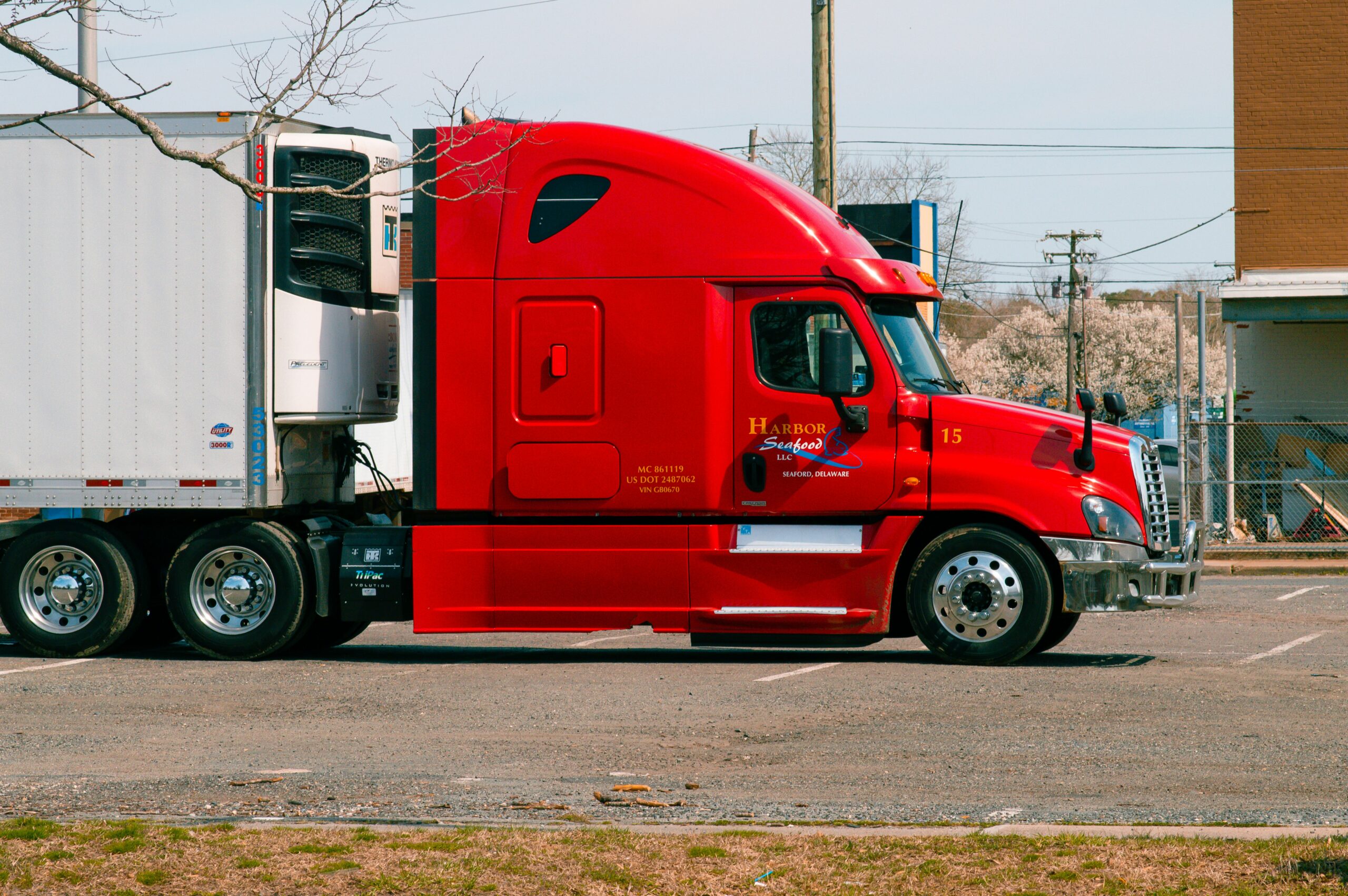
Reliable, fuel-efficient models like Freightliner Cascadia or Volvo VNL. Easy maintenance and comfort are key.