Your Child Isn’t “Just Playing”: How Modern Hobbies Are Building Real-Life Skills
Many parents look at their children glued to screens, building forts in the living room, or taking gadgets apart and think, “They’re wasting time.” It’s a natural concern. We want our kids to succeed, stay focused, and build a strong future. But what if the very activities that worry us are actually helping them develop critical, real-world skills?
The truth is, play has changed. Today’s kids are growing up in a digital-first, creativity-driven world. They aren’t just playing games or scrolling social media—they’re creating, problem-solving, experimenting, and learning in ways that previous generations never had access to. When parents learn to recognize and guide these interests intentionally, everyday hobbies can become powerful tools for skill-building.
This article will break it all down in simple terms, help you see what’s really happening behind the scenes, and show you how to turn your child’s natural interests into long-term strengths.
Play Has Evolved, and That’s Not a Bad Thing
When many of us were kids, play meant riding bikes, building with blocks, or playing pretend outside. Those activities were valuable—and they still are. However, today’s children are playing in a world shaped by technology, media, and instant access to information.
Instead of only building with physical blocks, kids now build entire digital worlds. Instead of putting on plays in the backyard, they perform for an audience online. While the tools have changed, the core skills—creativity, communication, problem-solving—remain the same.
The mistake many parents make is judging modern play by old standards. Screens are not automatically the enemy. The real issue isn’t what kids are doing, but how they’re doing it and whether it’s being supported in a healthy, intentional way.
Short-Form Video Is a Modern Creative Studio
When a child creates videos on TikTok, YouTube Shorts, or similar platforms, they are stepping into roles that adults get paid to do.
They’re Acting and Storytelling
Every skit, challenge, or funny clip requires expression, timing, and emotion. Kids learn how to communicate ideas clearly, read reactions, and build confidence in front of an audience.
They’re Directing and Planning
Deciding where to place the camera, when to start recording, or how a scene should play out involves planning and creative decision-making.
They’re Editing and Producing
Cutting clips, adding sound, syncing music, and choosing effects all require technical skills and attention to detail.
These abilities directly translate to careers in marketing, media, film, communication, and entrepreneurship. Even if your child never becomes a content creator, they’re learning how to tell stories and engage people—skills that matter in almost every profession.
Gaming Is More Than Entertainment
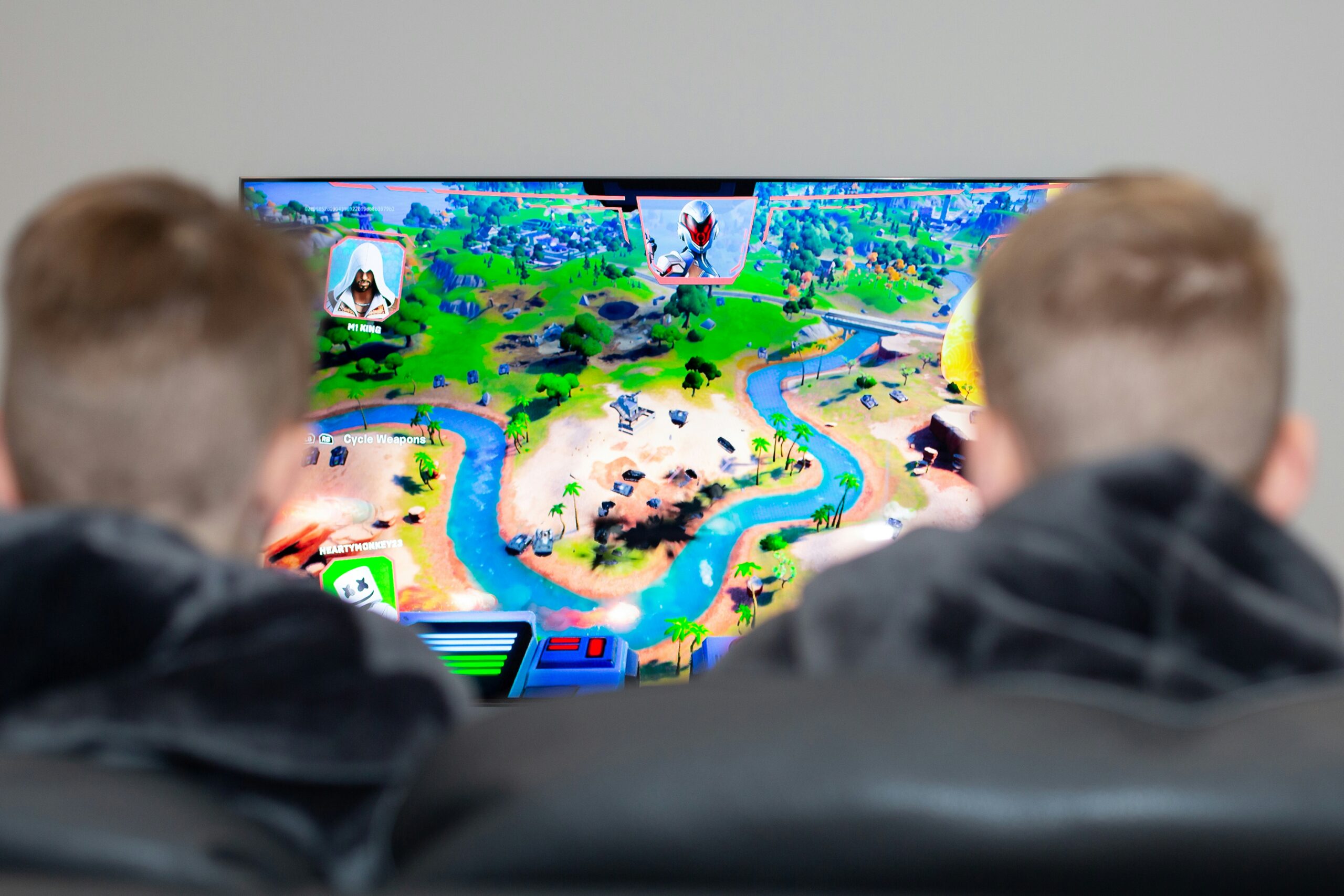
Video games often get labeled as mindless distractions, but most modern games demand high-level thinking.
Strategy and Decision-Making
Games like Fortnite require players to plan ahead, manage resources, and make fast decisions under pressure. Every move has consequences, and kids learn quickly through trial and error.
Problem-Solving and Logic
Minecraft challenges players to build, design, and troubleshoot. When something doesn’t work, kids adjust their approach and try again.
Teamwork and Communication
Multiplayer games teach kids how to collaborate, lead, follow instructions, and resolve conflicts—all essential real-life skills.
Instead of asking, “Why are you always playing games?” try asking, “What are you building?” or “What strategy are you using?” You’ll often be surprised by how much thinking is involved.
Game Mods and Customization Are Early Coding Lessons
When kids modify games or customize how they work, they’re learning the basics of programming without realizing it.
Mods introduce concepts like logic, rules, cause-and-effect, and systems thinking. Kids learn that changing one element impacts the entire system.
This is the foundation of coding. It builds comfort with technology, reduces fear of complexity, and encourages experimentation. Even if your child never writes professional code, understanding how digital systems work is a valuable life skill.
Taking Things Apart Builds Engineering Minds
Many parents see broken toys and feel frustrated. Kids, however, see curiosity.
When a child takes something apart, they’re trying to understand how it works. This is the mindset of engineers, mechanics, and inventors.
Rather than shutting this down, parents can redirect it safely by offering old electronics, toolkits, or supervised projects. The goal isn’t perfection—it’s exploration.
Some of the world’s greatest innovators started by breaking things and figuring out how to put them back together.
Forts and Clubhouses Are Early Architecture
That living room full of cushions and blankets isn’t a mess—it’s a design project.
When kids build forts, they’re learning spatial awareness, balance, structure, and creative problem-solving. They work with limited resources and adapt when things collapse.
This type of play strengthens imagination while also developing planning and design skills. It’s hands-on learning at its best.
Why This Generation Is Developing Skills Faster
Kids today have access to tools and information that once required years of training. They learn by doing, experimenting, and teaching themselves.
Traditional education doesn’t always capture these strengths, which can make parents worry. But intelligence isn’t one-size-fits-all. Creativity, adaptability, and digital fluency are becoming just as important as memorization.
Recognizing this helps parents support learning without forcing kids into outdated boxes.
How Parents Can Support Without Taking Over
You don’t need to be an expert in gaming, coding, or video editing. You just need to pay attention.
Watch what your child naturally gravitates toward. Ask open-ended questions. Encourage curiosity without pressure.
Set healthy boundaries, but avoid dismissing their interests as pointless. Support doesn’t mean unlimited screen time—it means intentional engagement.
Choosing Toys, Tools, and Technology With Purpose
Thoughtful gifts can turn hobbies into skills.
- Creative kids may benefit from cameras, microphones, or editing apps.
- Builders might enjoy advanced LEGO sets, woodworking kits, or design software.
- Gamers can explore coding games, logic puzzles, or game design tools.
The best gifts don’t replace play—they enhance it.
Turning Passive Hobbies Into Skill-Building Activities
The goal isn’t to stop kids from playing. It’s to help them grow through play.
Encourage challenges, projects, or goals related to their interests. Let them lead. When kids feel ownership, learning happens naturally.
Frequently Asked Questions
Is screen time really okay for kids?
Yes, when it’s balanced and intentional. The quality of screen time matters more than the quantity.
How do I limit screen time without causing conflict?
Set clear expectations and offer alternatives that still support your child’s interests.
What if my child isn’t interested in “educational” tools?
Education doesn’t have to look like school. Build on what they already enjoy.
Can these skills really help later in life?
Absolutely. Creativity, problem-solving, and adaptability are highly valued in today’s workforce.
What if my child’s interests change?
That’s normal. Skills gained through play often transfer to new interests.
Conclusion: Stop Fighting the Future—Prepare for It
Your child isn’t falling behind. They’re learning in a different way.
When parents shift from fear to understanding, everyday play becomes an opportunity. By recognizing the skills hiding in plain sight and supporting them intentionally, you help your child build confidence, competence, and a strong foundation for the future.
They’re not “just playing.” They’re becoming who they’re meant to be.