Are you struggling with a low credit score? Whether you want to secure a loan, rent an apartment, or simply gain financial peace of mind, improving your credit score can open up a world of opportunities. In this blog post, we’ll explore practical steps you can take to boost your credit score in just six months. With dedication and the right strategies, you can enhance your financial reputation and set yourself up for future success.
Understanding Credit Scores
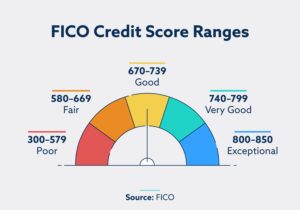
To effectively improve your credit score, it’s essential to understand what it is and how it works. A credit score is a numerical representation of your creditworthiness, typically ranging from 300 to 850. Factors that influence your score include payment history, credit utilization, length of credit history, types of credit accounts, and recent inquiries. Knowing these components will help you identify areas for improvement.
Steps to Improve Your Credit Score
Here’s a comprehensive guide on how to enhance your credit score over the next six months.
1. Check Your Credit Report Regularly
Start by checking your credit report for errors. You are entitled to one free credit report per year from each of the three major credit bureaus: Experian, Equifax, and TransUnion. Look for inaccuracies, such as incorrect account information or late payments that you believe were made on time. Disputing these errors can significantly boost your score.
How to Access Your Credit Report
You can obtain your credit report at AnnualCreditReport.com. Make it a habit to check your reports regularly, as this will help you stay informed about your credit status.
2. Pay Your Bills on Time
Timely payments are crucial for a healthy credit score. Payment history accounts for approximately 35% of your credit score, making it the most significant factor. Set reminders or automate payments to ensure you never miss a due date.
The Impact of Late Payments
A single late payment can have a negative impact on your credit score. Therefore, staying organized and proactive with your bills is vital.
3. Reduce Credit Card Balances
Lowering your credit utilization ratio can lead to quick improvements. Aim to keep your credit utilization below 30%. If you have high balances, consider making extra payments or transferring balances to a card with a lower interest rate.
Strategies to Manage Balances
- Create a budget: Track your spending to identify areas where you can cut back.
- Pay more than the minimum: This will not only reduce your balance faster but also show lenders that you’re responsible with credit.
4. Avoid Opening New Credit Accounts
While it might be tempting to open new credit accounts to improve your credit mix, it’s better to hold off during this six-month period. Each time you apply for new credit, a hard inquiry is recorded, which can temporarily lower your score.
Focus on Existing Accounts
Instead, concentrate on managing your current accounts effectively. This will demonstrate your ability to handle credit responsibly.
5. Become an Authorized User
Adding yourself as an authorized user on a responsible person’s credit card can help boost your score. This allows you to benefit from their positive payment history and lower credit utilization, provided they maintain good credit habits.
Choosing the Right Account
Make sure that the primary cardholder has a solid credit history and uses the card responsibly to ensure a positive impact on your credit score.
6. Diversify Your Credit Mix
If you have only revolving credit (like credit cards), consider adding a different type, like an installment loan. Lenders like to see a mix of credit types, which can positively influence your score.
Options for Diversifying
- Personal loans: These can help diversify your credit mix and can be used for debt consolidation or other purposes.
- Secured credit cards: If you’re rebuilding credit, a secured card can be an excellent way to show responsible credit use.
Conclusion
Improving your credit score in six months is entirely achievable with dedication and the right strategies. By checking your credit report, paying bills on time, reducing credit card balances, avoiding new credit applications, becoming an authorized user, and diversifying your credit mix, you can make significant strides toward a better financial future. Remember, small, consistent actions can lead to substantial improvements over time.
Frequently Asked Questions
What is a good credit score?
A good credit score typically falls between 700 and 749. Scores above 750 are considered excellent, while those below 600 are generally considered poor.
How long does it take to see improvements in my credit score?
You can often see improvements in your credit score within a few months of implementing positive credit habits, such as paying bills on time and reducing your credit utilization.
Can I improve my credit score without taking on new debt?
Absolutely! You can improve your credit score by focusing on paying down existing debt, making timely payments, and checking your credit report for errors.
Will closing old credit accounts hurt my credit score?
Yes, closing old credit accounts can negatively impact your score. This is because it may shorten your credit history and increase your credit utilization ratio. It’s often better to keep old accounts open, even if you’re not using them.
How often should I check my credit score?
It’s advisable to check your credit score at least once a year, but if you’re actively working on improving it, consider checking it quarterly. This will help you track your progress and stay informed about any changes.
By following these tips and staying committed to improving your credit score, you’ll be well on your way to achieving your financial goals. Happy credit building!