From Zero to 700: How Secured Credit Cards Can Fix Your Credit Fast
If your credit score feels like a life sentence, here’s the truth — you’re not stuck, and you can start rebuilding faster than you think. With the right secured credit cards and smart habits, you can go from no history or bad credit to a clean record more quickly than many people expect. This guide walks you through how to use secured cards the right way and why they’re among the most powerful tools for a credit comeback.
What Are Secured Credit Cards — And Why They Work
Secured credit cards aren’t “bad-credit cards” — they’re training wheels for your financial comeback. A secured card is like a regular credit card, except you back it with a refundable security deposit. That deposit becomes your credit limit. Because the issuer is using your own money as collateral, they don’t need to run a full credit check to approve you. That means even if your credit history is thin or poor, you can often qualify. For example, the opensky® Secured Visa® Credit Card doesn’t require a traditional credit check — and that “no hard pull” feature is exactly why secured cards are so valuable for rebuilding.
Although it’s “secured,” the card behaves just like an ordinary credit card in many ways — you make purchases, receive a monthly statement, and payments are reported to the major credit bureaus. Over time, consistent payments can create a history of responsible use, which is one of the most important factors in your credit score.
In short: secured cards give you the chance to build or rebuild credit without needing a great credit score to start — they meet you where you are.
How Fast Can Your Credit Actually Improve?
You don’t need years to see real change — many people start noticing score improvements in as little as 30 to 90 days. Why so fast? Because two of the biggest drivers of credit score are payment history and credit utilization. With a secured card, you control both.
- Payment history: Each on‑time payment builds a record of responsibility. Missed payments hurt, but consistent payments help you rebuild.
- Utilization: With a small credit limit, even modest spending can look risky — so using the card responsibly (and paying off quickly) sends a strong signal to lenders.
That said, not everyone sees dramatic jumps overnight. Be realistic: a “clean slate” and consistent behavior over several months yields the best results. Think of this as a credit reset, not a credit flash‑fix.
The Golden Rules for Using Secured Cards — Treat It Like a Credit Workout, Not a Shopping Spree
If you treat your secured card like a shopping card, you’ll miss the entire point of why it works. To get the credit‑building benefits, use secured cards with discipline and purpose. Here’s how to do it right:
- Use it only for credit building. Avoid using secured cards for everyday spending, impulse buys, or lifestyle expenses. Instead, use it for one consistent, small bill — like a streaming service subscription, phone bill, or other recurring cost.
- Set up autopay and pay in full. Automatic payments ensure you never miss a due date. And paying in full prevents interest charges and keeps utilization low.
- Keep utilization under ~10%–30%. If your card limit is $200, try to never let the balance go much above $20–$60. Low utilization shows you’re not relying on credit heavily. Particularly with a secured card, lower is better.
- Don’t carry a balance month-to-month. Secured cards often come with high APRs, so carrying balances defeats the purpose. Use only what you can pay off each month.
- Be patient and consistent. Think long-term. Your credit builds slowly but steadily. Consistency matters far more than occasional big purchases.
The Best Secured Cards for Fast Credit Building (No Hard Pull Required)
Not all secured cards are created equal. If you’re rebuilding credit or starting fresh, here are several highly recommended secured cards that avoid the hard‑pull barrier and are still effective when used correctly.
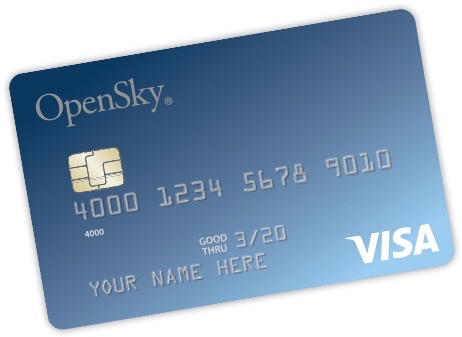
opensky® Secured Visa® Credit Card
The opensky Secured Visa is perhaps the most recognized “no-credit-check” secured card available. Because it doesn’t require a credit check, you can get approved even with poor or no credit. Your deposit becomes your credit limit — for example, a $200 deposit = $200 limit. The card reports to all three major credit bureaus, which is essential for building a credit history.
Many users report real progress: responsible cardholders have seen credit score improvement within months simply by using the card sparingly and paying on time.
opensky® Plus Secured Visa® Credit Card
If you like the benefits of the standard opensky card but want a card with no annual fee, the opensky Plus Secured Visa is worth a look. It offers the same no-credit-check approval process and reports to the bureaus — minus the annual fee that some secured cards carry.
This card is ideal if you want a “set it and forget it” rebuild plan without extra costs hanging over your head.
First Progress Platinum Prestige Mastercard Secured Credit Card
Another option commonly recommended for people with minimal or damaged credit, the First Progress Platinum Prestige Secured Mastercard can help you get started when traditional banks won’t approve you. As with other secured cards, your credit limit ties to your security deposit, and consistent on-time payments get reported — building a positive credit history over time.
Be sure to use it with intention: treat it like a credit-building tool, not a regular spending card. Stick with one small bill or predictable payment each month to avoid overspending or debt.
Applied Bank Secured Visa Gold Preferred Credit Card
For those who prefer a simpler secured-card structure with predictable terms, the Applied Bank Secured Visa Gold Preferred is a solid pick. It’s a traditional secured card: you deposit funds, get a matching credit line, and your payment history gets reported to the bureaus. Because you deposit your money upfront, approval doesn’t depend heavily on credit history.
This card can be a good fit if you want stability and a straightforward rebuild path — no frills, no surprises.
Chime Credit Builder Visa Card
Chime’s Credit Builder stands out for its flexibility. There’s no hard credit check, no annual fee, and no required minimum deposit — you move your own money into a secured account, and that amount becomes your spending limit.
For many newcomers to credit, that flexibility is reassuring: you control exactly how much “credit” you’re using, and there’s zero risk of accumulating interest because you’re spending your own deposited funds. That said, because Chime doesn’t report utilization to bureaus, the key to building credit here is consistent on-time payments rather than worrying too much about balance ratios.
GO2bank Secured Visa Credit Card
While less widely discussed than some of the others, GO2bank’s secured Visa card is another low-barrier option for building credit. Like other secured cards, your spending limit is tied to your deposit, and on-time payments get reported to credit bureaus. The card’s easier approval requirements make it a realistic path if you have limited or poor credit history.
If you want to combine credit-building with a simple banking setup — and you’re comfortable with disciplined, minimal use — GO2bank can be a responsible tool on your credit journey.
The “One Bill Method”: The Easiest Way to Build Credit Safely
The fastest way to build credit isn’t fancy — it’s boring, consistent, and extremely effective. I call it the “One Bill Method.” Here’s how it works and why it’s often the safest path forward.
Instead of using your secured card for random shopping, treat it like a single-purpose credit tool. Choose one recurring, essential bill — streaming service, phone bill, small subscription, or utility — and put that charge on your secured card each month. Then, immediately pay it off in full. That way:
- You establish a steady, on-time payment history. Credit bureaus love consistency.
- Your utilization stays extremely low (especially if limit is small). Low utilization = positive signal.
- You avoid debt. Since you pay in full each month, you never carry a balance — so you’re never paying interest.
For example:
- Set up your secured card for your monthly phone bill — say $50/month.
- Pay the statement in full (via autopay or manually) as soon as it posts.
- Repeat every month for 6–12 months. Over time, that steady stream of on-time payments paints a strong credit history.
This method isn’t glamorous — but over time, it can make a big difference without requiring big deposits, spending sprees, or risky financial moves.
Understanding Credit Utilization: Why the 10%–30% Rule Is Key
One of the most important habits to build credit is keeping your credit utilization low. That’s the ratio of how much of your available credit you’re using at any given time. For most credit cards, staying under ~30% is recommended — but with secured cards, the lower you keep it, the better.
Think about it this way: if your limit is $200, aim to use no more than $20–$60 per billing cycle. Even better, try to stay around 10% or lower. Doing so sends a powerful message: that you’re not reliant on credit and you manage what you have wisely.
Low utilization combined with perfect payment history is one of the fastest routes to building a strong, rebuild‑ready credit profile.
Why On-Time Payments Are Non-Negotiable — Set It and Forget It
One late payment can undo months of hard work, which is why automation is your best friend. For secured cards (and all credit cards), consistent on-time payments are the number one factor in building or rebuilding credit.
Set up autopay for the full statement balance if possible. If that’s not an option, mark a recurring reminder right after you get paid. The goal: treat it like a bill — not an optional payment.
Over time, that payment history builds strong credit lineage. Missed payments, on the other hand, can damage progress and make rebuilding much harder.
Should You Use More Than One Secured Card?
Sometimes one card is good, but two or three can help your credit look stronger faster — if used wisely. Here’s when and how to consider multiple secured cards.
- When you need to build more than one “trade line.” Credit scores tend to favor a longer, varied history (different cards, transactions, payment behavior). If you only have one card, it might look limited — but multiple cards (used responsibly) can diversify your profile.
- Stagger your applications. Don’t apply for several cards at once — that could trigger multiple inquiries or look risky. Wait until you’re comfortable with one card’s history before adding another.
- Be vigilant about utilization and payments. More cards = more complexity. Keep each utilization low, and make sure all payments stay on time.
- Avoid overextending yourself. The goal isn’t spending power — it’s a clean, responsible credit history. If multiple cards feel like a burden, one is more than enough.
Common Mistakes That Can Ruin Your Credit-Building Progress
Building credit is simple — but it’s also easy to mess up if you’re not careful. Some of the most common pitfalls to avoid:
- Using secured cards as primary spending cards (shopping sprees, lifestyle purchases, etc.)
- Carrying balances month-to-month and paying only the minimum
- Maxing out your credit limit “just once” (even once can leave a mark)
- Missing payment due dates or failing to set up autopay
- Closing secured cards too early — this can shorten your credit history and reduce the age of your accounts, which may hurt your score
You want to build history — not burn it down. Treat these cards like tools for building credit, not toys for spending.
When (And How) to Upgrade From Secured to Unsecured Credit Cards
At some point, your training wheels should come off — and you’ll be ready for a real, unsecured credit card. But how do you know when to make the leap? Some signals you’re ready:
- Six to twelve months of on-time payments and low utilization
- A consistent payment history and responsible usage pattern
- A small but solid credit score improvement (depending on where you started)
- Comfort with responsible credit use — no impulsive spending, balanced budgets, and financial discipline
When you upgrade, you can close your secured card (get your deposit back) or keep it open for added available credit — whichever fits your long-term credit strategy.
Real-Life Credit Comeback Scenario
Let’s walk through a realistic example to show how this works in real life. Meet “Sam.” Sam had no credit history at 24 — never used a credit card, only paid cash for everything. Sam decided to build credit before buying a car or renting an apartment. Here’s his path:
- Applied for opensky Secured Visa with a $200 deposit → got approved despite no credit history.
- Set up the card to pay his \$55 monthly phone bill. Each month he used the card only for that bill, and paid the full statement balance as soon as it posted (via autopay). Utilization stayed under 10%–15%.
- After 3 months: his credit report showed on-time payments and a clean history. After 6 months: his credit score increased — he had a trade line with perfect payment history.
- At month 9: He added a second secured card (Chime Credit Builder) to create a second trade line, repeating the same process with a small recurring bill. Again: full payment, on time, low spending.
- After 12 months: Sam’s credit score had risen significantly; he qualified for a low-limit unsecured credit card, and was now able to build from there. His secured card deposit was refunded once he closed it.
This plan worked not because of high spending or fancy tricks — but because of consistency, discipline, and letting time do its work. Your credit comeback doesn’t need to be flashy. It just needs to be steady.
Final Thoughts: Your Credit Comeback Starts With Small Steps
You don’t need to be perfect — you just need to be consistent. Secured credit cards give you a second chance, whether you’re recovering from credit mistakes or starting from scratch. With a little discipline and the right habits, you can build a strong credit foundation that lasts for years. The sooner you get started, the sooner you’ll reach that “700 and beyond.”
FAQ — Common Questions About Using Secured Cards to Build Credit
Do secured cards really help rebuild credit if I have no credit history?
Yes — secured cards like opensky Secured Visa, Chime Credit Builder, or others report your account activity to all three major credit bureaus. Over time, consistent on-time payments and responsible use build a positive credit history. Even people with zero credit history or past credit problems can rebuild using this method. :contentReference[oaicite:12]{index=12}
Will using a secured card always involve a hard credit check?
No. Many of the top secured cards — such as opensky Secured Visa and its Plus version — explicitly do not perform a credit check when you apply. That makes them accessible even if you have no or poor credit.
How much should I spend on my secured card each month?
Less is more. Treat the secured card like a tool — not a shopping card. A good rule: charge one small recurring bill (e.g. phone, streaming) — enough to use the card, but not so much you’re tempted to spend more. And always pay off in full. Keeping utilization low (ideally under 10–30%) makes the credit-building impact stronger.
How long does it take to see real credit score improvement?
It depends on your starting point — but many people see meaningful progress in 3–6 months of on-time use. Because secured cards build credit history gradually, consistency over time matters more than big one‑off moves.
Can I use more than one secured card at a time?
Yes — but only if you stay disciplined. Multiple cards can help diversify your “trade lines,” which may help your credit score. That said, each card adds complexity: you need to track balances, payment due dates, and stay under low utilization levels. If it becomes overwhelming, it can backfire.
When should I consider upgrading to a regular (unsecured) credit card?
Once you have several months of consistent, responsible use (on‑time payments, low balances), and your credit score has improved enough, upgrading to an unsecured card makes sense. It can help expand your credit options, increase your available credit, and simplify your finances. Many users wait 6–12 months — but the ideal time depends on your financial habits and goals.