The Credit Score Hack Banks Don’t Tell You: Pay Before This One Date
Most people think paying their credit card bill on the due date is enough to maintain or boost their credit score. But here’s a little-known secret that can make a significant difference: paying before your statement date. This strategic timing trick can lower your reported balance, improve your credit utilization, and help your score rise faster than you might expect. In this post, we’ll break down everything you need to know about this credit score hack, how it works, and how to use it safely.
Understanding the Basics of Credit Scores
Before diving into hacks, it’s important to understand the building blocks of your credit score. Your score is more than just a number; it reflects your creditworthiness and influences everything from loan approvals to interest rates.
What Is a Credit Score?
A credit score is a numerical representation of your creditworthiness. The most common scoring models are FICO and VantageScore, both ranging from 300 to 850. Lenders use your score to evaluate how likely you are to repay borrowed money on time.
How Credit Utilization Affects Your Score
One of the biggest factors influencing your score is credit utilization—the ratio of your credit card balances to your credit limits. A high utilization ratio (over 30%) can lower your score, while a lower ratio signals responsible credit management.
The Role of Payment History
Payment history accounts for about 35% of your credit score. Making timely payments is essential, but as we’ll see, the timing of those payments relative to your statement date can also impact how your balance is reported to the credit bureaus.
The Difference Between Statement Date and Due Date
Here’s where most people get confused: your credit card has both a statement date and a due date, and they serve different purposes.
What Is a Statement Date?
The statement date is the day your credit card issuer generates your monthly statement. This statement shows your balance, new charges, and the minimum payment due. Importantly, the balance listed on your statement is what is typically reported to the credit bureaus.
What Is a Due Date?
The due date is the last day you can pay your bill without incurring a late fee. Many people assume paying by this date is enough, but the key to this hack is that the due date is often several weeks after the statement date, which means your reported balance may be higher than necessary if you wait.
Example: Statement vs. Due Date
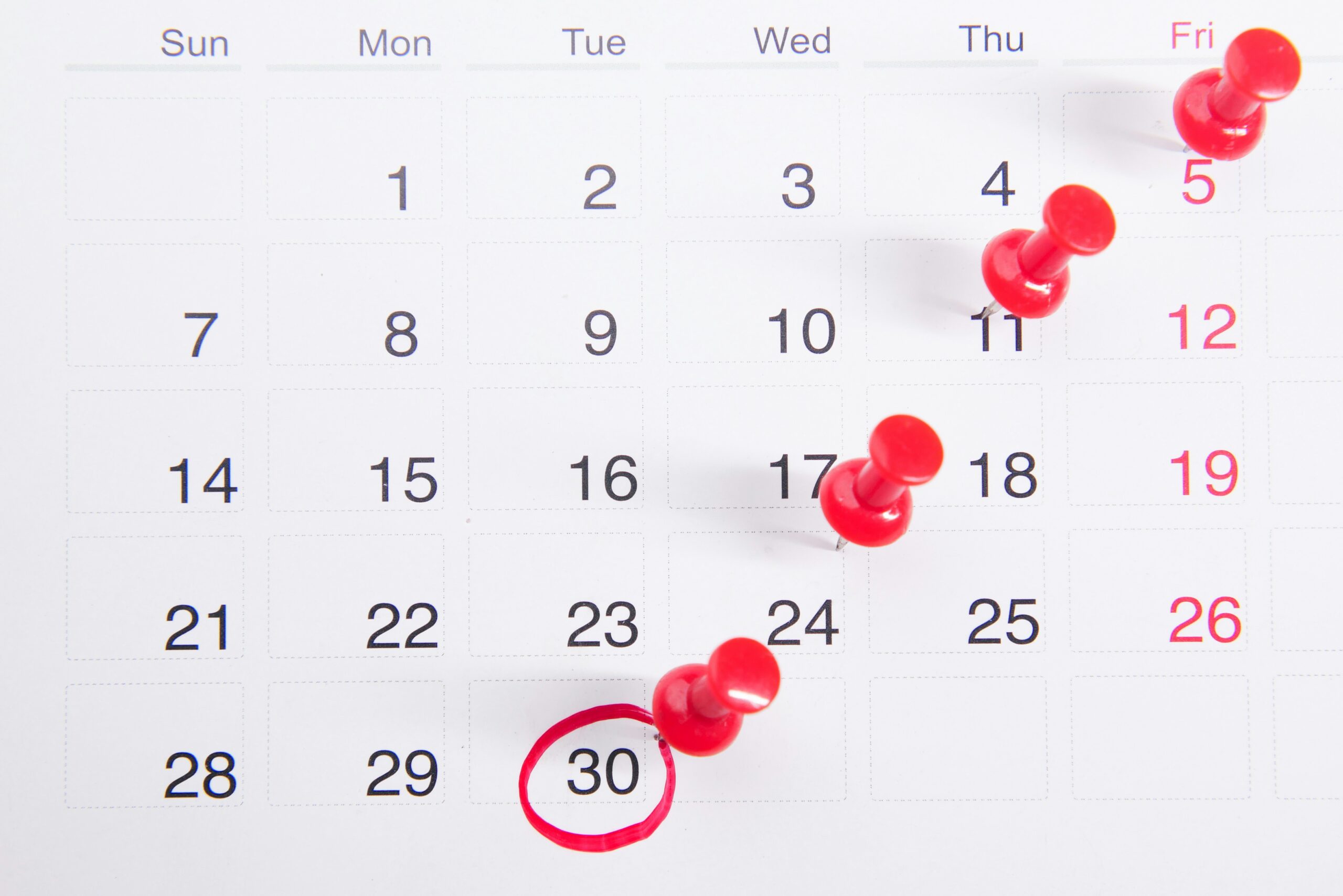
For instance, if your statement date is the 10th and your due date is the 30th, any charges made after the 10th will appear on your next statement. Paying before the 10th ensures your balance is lower when it’s reported to credit bureaus, improving your credit utilization ratio.
Why Paying Before the Statement Date Matters
Paying strategically before your statement date can make your credit utilization look much lower, which can positively affect your score.
Lower Reported Balances Improve Credit Utilization
Even if you pay your bill in full by the due date, your reported balance might be higher if you wait. By paying down the balance before the statement closes, your credit report shows a lower utilization ratio, signaling to lenders that you manage credit responsibly.
Real-Life Example
Imagine you have a credit card with a $5,000 limit and a $2,500 balance. If you pay $1,500 before the statement date, only $1,000 will be reported. Your credit utilization goes from 50% to 20%, potentially boosting your score by 10–20 points instantly, depending on your overall credit profile.
Reported Balance vs. Actual Balance
It’s crucial to understand that your actual balance and reported balance can differ. The reported balance is what appears on your statement and is sent to the credit bureaus, while your actual balance may include new purchases made after the statement date.
Step-by-Step Guide to Using the Statement Date Hack
Ready to try this hack? Follow these steps to maximize its benefits:
Find Your Statement Closing Date
Check your credit card statement or online account to identify the closing date. This is the day your statement is generated and the balance that will be reported.
Calculate Your Current Balance
Review your account and determine how much you want to pay down before the statement date. Even partial payments can significantly improve your utilization.
Make a Payment Before the Statement Date
Pay your desired amount early, ideally a few days before the statement closes. This ensures your lower balance is reported to the credit bureaus.
Confirm the Updated Balance
Check your online account to make sure the payment processed correctly. The reported balance should reflect the lower amount on your upcoming statement.
Monitor Your Credit Score
Keep an eye on your credit score using a free tool or your credit card’s built-in monitoring. You may see results in a few days to a couple of weeks.
Tips for Success
- Set up reminders or autopay to make early payments consistently.
- Don’t overpay to create negative balances—only pay what you plan to report.
- Combine this strategy with other credit management habits for optimal results.
Common Mistakes to Avoid
Even a smart hack can backfire if done incorrectly. Here’s what to watch out for:
- Paying after the statement date: Your higher balance will still be reported, negating the benefit.
- Overpaying: Negative balances can cause processing delays or confusion.
- Ignoring other credit factors: Timely payments, credit mix, and account age are still important.
- Neglecting high-interest debt: Paying early won’t replace responsible debt management.
Other Ways to Boost Your Credit Score Quickly
While the statement date hack is powerful, combining it with other strategies can accelerate your score improvement.
- Keep overall credit utilization under 30%.
- Avoid opening too many new accounts at once.
- Maintain a healthy mix of credit types, like revolving and installment accounts.
- Make multiple small payments throughout the month to manage utilization.
- Regularly check credit reports for errors and dispute inaccuracies.
How Fast Can You See Results?
The timeframe for seeing changes varies. Most credit card issuers report balances to the bureaus monthly, usually within a few days after the statement closes. If you pay strategically, you could see your score increase within 30–45 days, sometimes sooner, depending on your credit profile and reporting schedule.
Conclusion
Paying before your statement date is a simple, legal, and highly effective way to optimize your credit utilization and give your credit score a boost. By understanding the difference between statement and due dates, carefully timing your payments, and combining this with other smart credit habits, you can take control of your credit journey. Start checking your statement dates today and watch your score climb faster than you might have thought possible.
FAQ: Statement Date Credit Hack
Does paying before the statement date hurt my credit score?
No. Paying before the statement date can only help by lowering your reported balance and improving utilization. Just make sure not to miss any minimum payments.
Will this work for all credit cards?
Most major credit cards report balances monthly, but it’s important to confirm your issuer’s reporting schedule. Some may report at different times, so check your account details.
Do I need to pay in full before the statement date?
Not necessarily. Even partial payments can lower your reported balance enough to improve your utilization ratio and positively impact your score.
Can I combine this with other credit-building strategies?
Absolutely. Pairing this hack with low utilization, timely payments, and checking credit reports for errors maximizes your chances of faster score improvement.
Will this help if I have a lot of other debt?
It can help your credit score, but it won’t reduce your total debt. Managing balances strategically across all accounts is key for overall financial health.