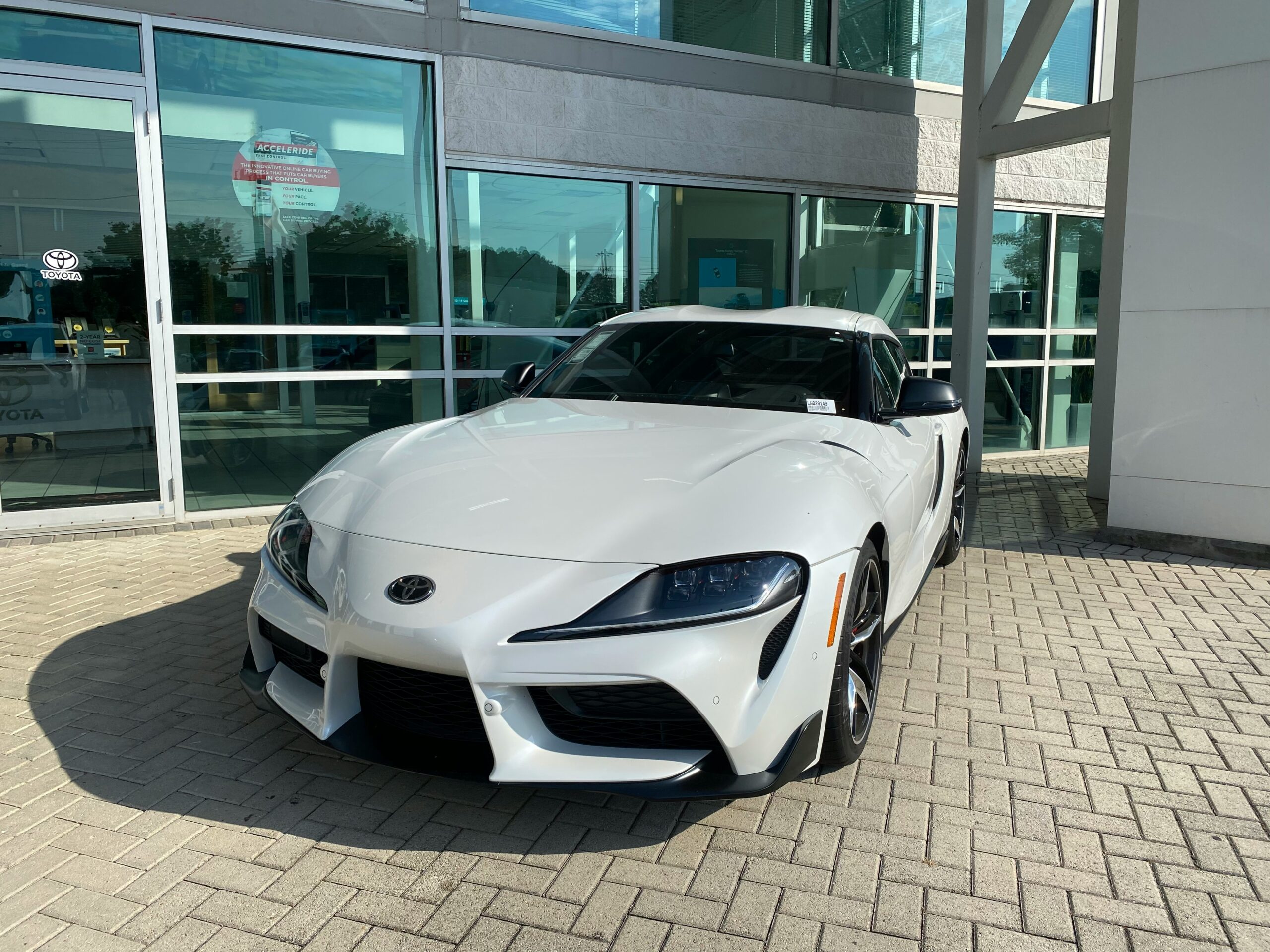
The #1 Wealth Killer You’re Ignoring: How Car Payments Are Draining Your Wallet
We all love the thrill of driving a new car off the lot, but what if that shiny ride is secretly sabotaging your financial future? Many people don’t realize it, but car payments are one of the biggest wealth killers out there. From steep depreciation to hidden costs, those monthly bills could be keeping you from building real wealth.
Why Car Payments Are Dangerous for Your Wealth
It’s not just the sticker price — car payments have a sneaky way of eating away at your financial stability. Here’s why they’re so damaging.
Depreciation Hits Hard and Fast
New cars lose value the second you drive them off the lot, often 20–30% in the first year alone. Unlike assets like real estate or investments, a car is a depreciating liability. That means each monthly payment is funding something that will be worth significantly less tomorrow. For example, a $35,000 new car may only be worth around $25,000 after a year.
Interest Makes You Pay More Than You Think
Most people finance their cars through loans, which adds interest on top of the principal. Even a modest 5%–7% interest rate can add thousands of dollars to the total cost over the life of a loan. Over a 5-year loan, you could easily end up paying $5,000–$8,000 more than the actual value of the car.
Monthly Payments Can Trap You in Lifestyle Inflation
High car payments often lead people to chase bigger, flashier cars. You convince yourself you “deserve” it or that it’s a necessity, but each payment is locking you into a lifestyle that prevents wealth accumulation. This cycle keeps many working paycheck to paycheck instead of investing for the future.
Additional Costs Multiply the Drain
Beyond monthly payments, cars cost money in insurance, maintenance, registration, and repairs. A luxury or brand-new vehicle can add hundreds per month in hidden costs, further draining your finances. Even small repairs on a newer car can be costly due to specialized parts and service requirements.
The True Cost of a Car Payment
When you look beyond the monthly bill, the real cost of owning a car may shock you. Let’s break it down.
Breaking Down a $500/Month Payment
If you’re paying $500 a month for a car over 5 years, that totals $30,000 — often for a car that may now be worth only $20,000. Stretch that over 10 years or multiple vehicles, and the lost opportunity grows exponentially.
Opportunity Cost: What You Could Be Doing Instead
Every dollar spent on car payments is a dollar not invested. If you invested $500 monthly for 5 years at an average 7% return, you’d have over $36,000 by the end of that period — significantly more than the car’s depreciated value. Over 10 years, the power of compounding could grow your wealth to over $90,000.
The Hidden Financial Risks
Debt from car loans affects your credit, reduces your ability to borrow for real investments, and creates financial stress. It can also limit your options for emergencies or opportunities that require liquid cash, keeping you tied to a depreciating asset instead of growing wealth.
Common Myths About Car Payments
Many people fall into car payment traps because they believe myths that simply aren’t true. Let’s debunk them.
Myth #1: “I Need a New Car for Safety”
While new cars come with modern safety features, many used cars are just as safe. Features like airbags, anti-lock brakes, and stability control have been standard for years, meaning you can buy a reliable used car without compromising safety.
Myth #2: “Leasing Is Cheaper Than Buying”
Leasing may feel affordable with low monthly payments, but over the long term, it’s often more expensive. You never own the car, and you face mileage limits and penalties for wear and tear. Buying a used car outright can save far more over time.
Myth #3: “A Car Is an Investment”
Cars are liabilities, not assets. Unlike investments that generate income or appreciate, a car loses value the moment you drive it off the lot. Thinking of it as an investment is a dangerous misconception that traps people in unnecessary debt.
Smarter Alternatives to Paying for a New Car
You don’t have to give up convenience or mobility. There are smarter ways to get around without draining your wealth.
Buy Used Instead of New
Buying a car that’s 2–4 years old allows you to avoid the steepest depreciation while still getting a reliable vehicle. Many used cars are just as dependable as new ones and save thousands in the process.
Pay Cash Whenever Possible
Paying cash avoids interest, reduces financial stress, and gives you complete ownership. Build a dedicated car fund and wait until you can purchase without financing — it’s a simple step toward financial freedom.
Consider Reliable, Low-Cost Vehicles
Efficient, low-maintenance cars are often the smartest choice. They cost less to insure, have lower repair costs, and free up money to invest in assets that grow wealth.
Alternative Transportation Options
Consider carpooling, public transit, biking, or ridesharing. Even using these options part-time can save thousands annually that you can redirect toward investments or debt repayment.
Building Wealth Instead of Paying Car Payments
Every dollar you don’t spend on car payments can work for you. Here’s how to redirect your funds to grow wealth.
Invest in Appreciating Assets
Use the money saved from avoiding high car payments to invest in stocks, ETFs, real estate, or your own business. These assets grow over time and can create passive income streams.
Automate Savings for Big Purchases
Instead of financing, automate savings for vehicles or other big purchases. A “car fund” ensures you can pay cash when needed without taking on debt.
Focus on Long-Term Financial Freedom
Prioritizing assets over liabilities builds wealth faster. Avoiding unnecessary car payments is just one step toward achieving long-term financial independence.
Real-Life Examples and Case Studies
Sometimes numbers and theory aren’t enough — real-life examples drive the point home.
Case Study 1: John, the Monthly $500 Payer
John financed a $30,000 car at $500 per month for 5 years. By the end, he paid $30,000 plus $5,000 in interest, while the car was worth only $18,000. Meanwhile, he had no investments or savings to show for it.
Case Study 2: Sarah, the Smart Used-Car Buyer
Sarah bought a 3-year-old car for $18,000 in cash. She avoided interest, saved on insurance, and invested $500 per month into a diversified portfolio. After 5 years, her investments had grown to over $36,000 — significantly more than she would have lost on a new car.
Lessons Learned
- Buying used and avoiding financing preserves wealth.
- Investing the difference grows assets faster than trying to keep up with new car trends.
- Small financial decisions compound into long-term freedom.
FAQs About Car Payments and Wealth
Is it always bad to finance a car?
Not always, but it’s often costly. If you can pay cash or buy a used car, you avoid interest and depreciation losses. Financing can make sense only if rates are extremely low and it doesn’t hurt your cash flow.
How much does a new car really cost over 5 years?
On average, a $30,000 new car with a 5-year loan at 6% interest will cost around $36,000 total, not including insurance, maintenance, and registration. This often exceeds the car’s resale value, creating a net financial loss.
Are used cars safer than I think?
Yes. Cars just a few years old often have modern safety features and can be cheaper to maintain. Many certified pre-owned vehicles come with warranties for added peace of mind.
What’s the smartest car-buying strategy for wealth building?
Buy a reliable used car with cash, avoid monthly payments, and invest the difference. Keep maintenance and insurance costs low and prioritize vehicles that hold value over time.
Can leasing ever make sense?
Leasing can make sense for short-term use or if you always want a new car, but financially it rarely beats buying used or paying cash. Lease payments do not build equity and often come with fees.
Conclusion
Car payments may feel manageable, but they silently drain your wealth over time. By understanding depreciation, interest, and hidden costs, you can make smarter choices. Buying used, paying cash, and investing the difference are proven strategies to grow wealth and achieve financial freedom. Every dollar not tied to a depreciating car is a dollar that can work for you — start today and take control of your financial future.