The Best Way to Buy Business Supplies Without Overpaying
Running a business comes with a long list of expenses, and business supplies are one of those costs that quietly add up month after month. Office supplies, shipping materials, technology accessories, cleaning products—none of them seem expensive on their own, but together they can quietly drain your cash flow if you’re not careful.
The good news is that overpaying for business supplies is not a requirement of entrepreneurship. In fact, most business owners who feel like they’re spending too much aren’t doing anything “wrong”—they’re simply buying like consumers instead of buying like businesses. Once you shift how and where you purchase supplies, the savings can be immediate and long-lasting.
In this guide, we’ll break down the smartest way to buy business supplies without overpaying, why so many business owners unknowingly overspend, and how simple changes can improve your finances, organization, and overall business credibility.
The Real Cost of Overpaying for Everyday Business Supplies
Overpaying rarely happens in one large, obvious purchase. Instead, it happens quietly through small, repeated transactions that feel harmless in the moment.
How Small Purchases Add Up Over Time
Think about the items you purchase regularly: printer ink, paper, packaging materials, cleaning supplies, cables, notebooks, or shipping labels. Spending an extra $5–$15 here and there doesn’t feel like much—until you multiply it over 12 months.
For example, an extra $50 per month in overspending equals $600 per year. For many small businesses, that number is much higher. Multiply that by multiple years, and the cost becomes impossible to ignore.
The Hidden Impact on Cash Flow and Profit Margins
Cash flow is the lifeblood of any business. When too much money is tied up in inefficient purchasing, it limits what you can reinvest into growth, marketing, hiring, or even emergency expenses. Overpaying also eats directly into profit margins, especially for small and service-based businesses where margins are already tight.
Why Most Business Owners Pay Too Much Without Realizing It
Most business owners don’t intentionally overspend. In fact, many are trying to be efficient—but a few common habits work against them.
Mixing Personal and Business Purchases
One of the biggest mistakes business owners make is using personal shopping accounts for business expenses. When everything is mixed together, it becomes harder to track spending, compare costs, and identify inefficiencies.
This lack of clarity often leads to duplicate purchases, missed discounts, and no real system for monitoring supply expenses.
Buying for Convenience Instead of Strategy
Last-minute orders, impulse purchases, and buying from the first place that comes up online can feel efficient, but they often come at a premium. Without a consistent purchasing strategy, businesses end up paying retail prices over and over again.
Not Tracking Vendors or Pricing Trends
Many business owners don’t review their purchasing history regularly. Without reviewing past orders, it’s hard to know whether prices are increasing, which products are being reordered too frequently, or where savings could be found.
The Mindset Shift: Buying Like a Business, Not a Consumer
Once you stop buying supplies like a consumer and start buying like a business, everything changes.
Understanding Wholesale and Volume-Based Thinking
Businesses benefit from buying in bulk, negotiating better pricing, and taking advantage of tiered discounts. Even small businesses can benefit from business-focused pricing when they use the right purchasing platforms.
Why Centralized Purchasing Matters
Centralizing your purchasing through a single business account allows you to track expenses, manage approvals, and maintain consistent pricing. It also helps you avoid unnecessary duplicate purchases.
The Best Way to Buy Business Supplies Without Overpaying
The most effective way to stop overpaying is to use tools that are designed specifically for business purchasing—not personal shopping.
Use a Dedicated Business Purchasing Account
A dedicated business purchasing account separates your personal and business expenses, making bookkeeping cleaner and more professional. This separation also creates a clear paper trail for taxes, accounting, and future credit applications.
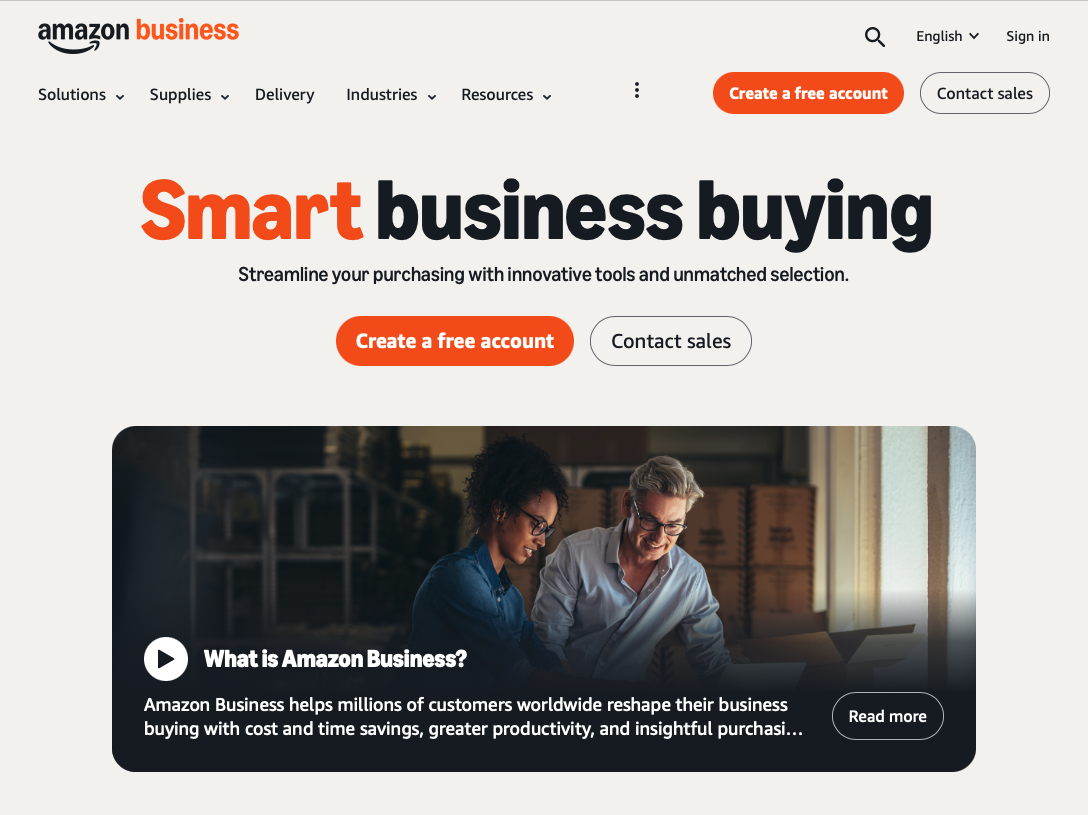
Platforms like Amazon Business are designed to help businesses access business-only pricing, manage orders, and keep purchases organized.
Take Advantage of Business-Only Pricing and Discounts
Business-focused platforms often offer volume discounts, tiered pricing, and special deals that are not available to personal shoppers. Over time, these savings can be significant.
Centralize Orders Across Your Business
If you have employees or multiple locations, centralized purchasing ensures consistency, reduces waste, and prevents overspending caused by untracked purchases.
What to Look for When Choosing Where to Buy Business Supplies
Not all vendors are created equal. The right supplier should make purchasing easier, not more complicated.
Transparent Pricing and Easy Comparisons
Clear pricing allows you to compare products quickly and confidently. This transparency is essential for avoiding unnecessary markups.
Reliable Delivery and Inventory Availability
Late deliveries can slow down operations and cost money. Reliable fulfillment ensures your business stays productive.
Detailed Order History and Reporting
Access to order history simplifies expense tracking, budgeting, and tax preparation.
Common Business Supply Categories Where Owners Overpay the Most
Certain categories tend to quietly drain budgets faster than others.
- Office supplies: paper, ink, toner, notebooks
- Technology accessories: cables, keyboards, monitors
- Shipping and packaging: boxes, labels, tape
- Cleaning and maintenance supplies: sanitizers, wipes, gloves
How Smarter Purchasing Supports Business Growth
Saving money on supplies is not just about cutting costs—it’s about reallocating resources more effectively.
Freeing Up Cash for Growth
Money saved on supplies can be reinvested into marketing, staffing, inventory, or technology upgrades.
Improving Financial Organization and Credibility
Clean, well-documented expenses make your business look more legitimate to banks, lenders, and partners.
A Simple Action Plan to Stop Overpaying Starting This Month
You don’t need to overhaul your entire system overnight. Small changes can produce meaningful results.
Review Your Last 90 Days of Purchases
Identify patterns, frequent purchases, and areas where costs seem high.
Separate Personal and Business Buying
This single step creates immediate clarity and improves organization.
Choose One Primary Business Supplier
Consistency allows you to track spending and benefit from business-focused pricing.
Final Thoughts: Paying Less Without Sacrificing Quality
Overpaying for business supplies is rarely about carelessness—it’s about lacking the right systems. When you treat purchasing as a business function instead of an afterthought, savings naturally follow.
Using a dedicated business purchasing account like Amazon Business can help you stay organized, control costs, and run your business more professionally.
Frequently Asked Questions
Is it really necessary to separate business and personal purchases?
Yes. Separation improves bookkeeping, tax preparation, and financial clarity.
Do business purchasing accounts cost extra?
Many business purchasing platforms are free to set up and offer built-in savings.
Can small or new businesses benefit from business pricing?
Absolutely. Even solo entrepreneurs can access business-only pricing and tools.
How quickly can savings add up?
Many businesses notice savings within the first few months simply by centralizing purchases.
What types of businesses benefit the most?
Service businesses, online sellers, contractors, and office-based companies see the biggest impact.