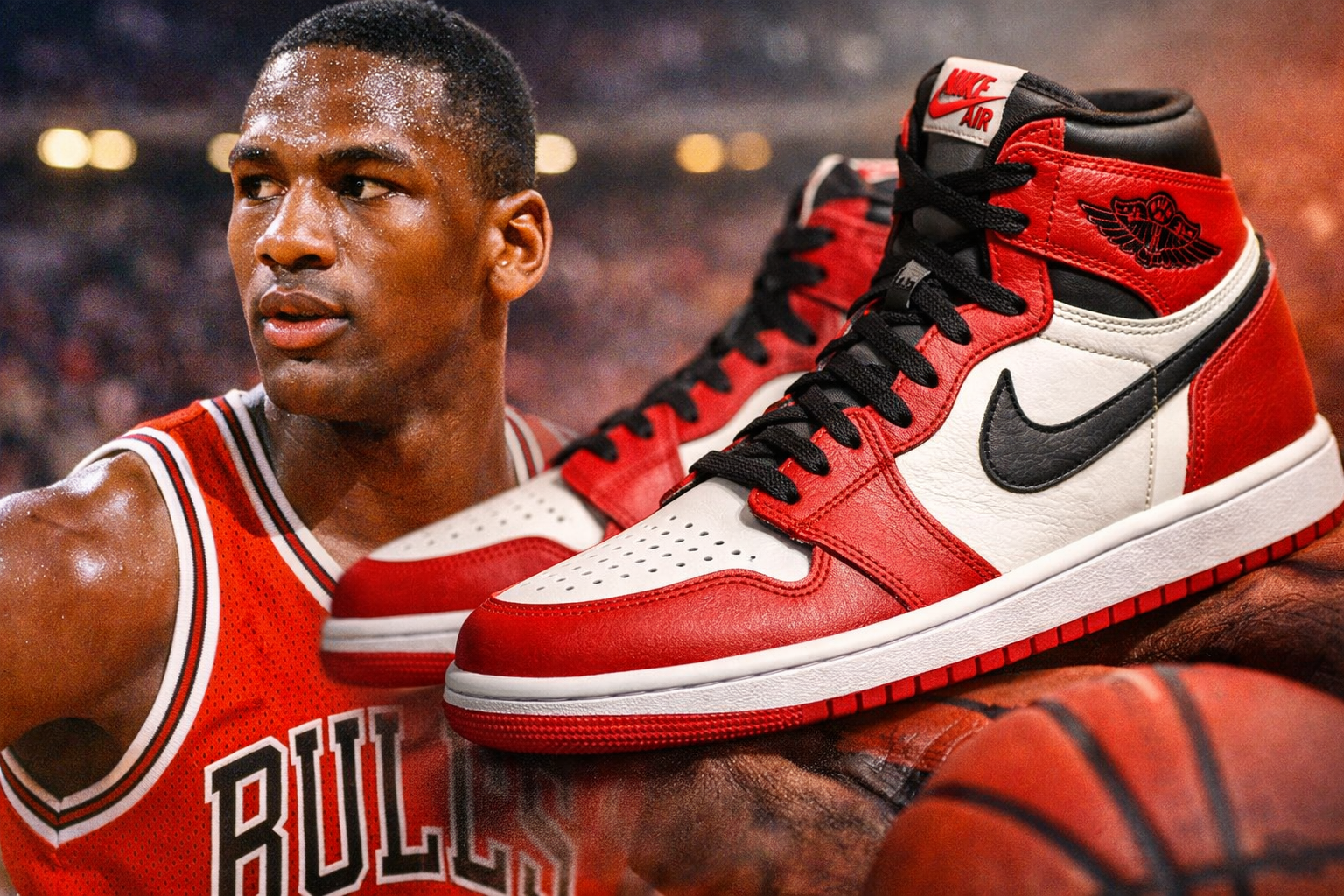
Michael Jordan’s Nike Deal: The Greatest Lesson in Knowing Your Value
When people talk about Michael Jordan, the conversation usually starts with championships, buzzer beaters, and his unmatched competitive drive. But the most powerful lesson from Jordan’s life didn’t happen on a basketball court. It happened in a contract negotiation—one that quietly rewrote the rules of wealth, influence, and ownership.
Michael Jordan didn’t just sign an endorsement deal with Nike. He made a strategic decision that separated earning money from building an asset. Decades after his last NBA game, Jordan earns over $250 million a year from Nike alone—more than he made during his entire playing career combined. This isn’t luck. It’s the ultimate example of knowing your value and betting on yourself.
This article breaks down why Michael Jordan’s Nike deal is the greatest lesson in knowing your value in history—and how you can apply the same mindset to your own career, business, or brand.
Before Air Jordan: The Risk Nobody Talks About
It’s easy to look back now and assume Michael Jordan was always destined for greatness. But when Nike approached him in 1984, that future wasn’t guaranteed. Jordan was a rookie. Talented, yes—but still unproven at the professional level.
At the time, Nike wasn’t the powerhouse it is today. Adidas and Converse dominated the basketball shoe market, and Jordan actually preferred Adidas. Nike was a smaller, scrappier company willing to take a big risk on a young player.
What made this moment important wasn’t just Nike’s belief in Jordan—it was Jordan’s willingness to believe in himself before the world did. That belief shaped every decision that followed.
Flat Fees vs. Royalties: The Deal That Changed Everything
Most endorsement deals are simple. A brand pays an athlete or influencer a flat fee in exchange for visibility. You get paid once, the brand keeps everything else.
Michael Jordan’s deal was different.
What Jordan Could Have Taken
Jordan could have accepted a traditional endorsement contract: a guaranteed payout, minimal risk, and no long-term involvement. This is the route most people take because it feels safe.
What Jordan Actually Took
Instead, Jordan negotiated a royalty-based deal. He earned a percentage of every Air Jordan shoe sold. That meant his income wasn’t capped—it scaled with the success of the product.
This single decision turned Jordan from a paid spokesperson into a long-term equity partner. He didn’t just promote the brand. He owned part of the upside.
Why Betting on Himself Was a Real Risk
In hindsight, Jordan’s decision looks brilliant. But at the time, it was risky. Royalties only matter if people buy the product. If Air Jordans flopped, Jordan would have earned far less than a traditional endorsement deal.
This is where most people hesitate. They choose certainty over potential because fear feels safer than belief.
Jordan understood something most people don’t: security limits upside. By betting on himself, he aligned his income with his impact.
How Royalties Create Wealth That Lasts
Royalties work differently than salaries or one-time payments. A salary pays you for time worked. Royalties pay you for value created.
Every time someone buys a pair of Air Jordans, Michael Jordan earns money—even though he hasn’t played professional basketball in decades.
- Royalties scale with demand
- They compound over time
- They create income without constant effort
This is the difference between linear income and exponential income. Jordan chose the model that grows.
$250 Million a Year: The Power of Long-Term Thinking
During his NBA career, Michael Jordan earned roughly $94 million in salary. Today, he earns more than double that every single year from Nike.
This is what long-term thinking looks like. Jordan didn’t optimize for quick money. He optimized for ownership.
While most careers peak and fade, assets continue to pay. That’s why Jordan is still winning long after retirement.
Working for a Check vs. Building an Asset
A paycheck is temporary. An asset is permanent.
Jordan’s genius wasn’t just athletic—it was structural. He turned his performance into property. Instead of renting out his image, he invested it.
Here’s the key difference:
- Working for a check: You trade time for money
- Building an asset: You create something that pays repeatedly
This principle applies far beyond sports.
“Don’t Just Rent Your Face”: Lessons for Creators and Entrepreneurs
Today, influencers, creators, and entrepreneurs face the same choice Jordan did. Take the flat fee—or negotiate for equity.
Too many people accept short-term checks without asking about backend participation. Exposure feels valuable, but ownership is priceless.
If you bring real value to a brand, business, or platform, you should at least explore upside-based compensation.
Why Most People Undervalue Themselves
Undervaluation rarely comes from lack of skill. It comes from fear.
People fear rejection. They fear instability. They fear being told no. So they settle for guaranteed money instead of earned leverage.
Jordan didn’t wait for permission to believe in himself. That belief changed everything.
Knowing Your Value Before the Market Confirms It
The most powerful part of Michael Jordan’s story is that he knew his value before the world could prove it.
Markets eventually catch up to value—but only if you survive long enough to let them.
Knowing your value means understanding what you bring to the table and having the patience to protect it.
How to Apply the Michael Jordan Principle to Your Life
You don’t need to be a global icon to think like one.
Here are practical ways to apply Jordan’s lesson:
- Ask about equity or profit sharing in deals
- Build personal brands you control
- Choose long-term upside over short-term comfort
- Understand contracts before signing them
Ownership changes outcomes.
Common Mistakes When Betting on Yourself
Betting on yourself doesn’t mean gambling blindly.
Avoid these mistakes:
- Taking equity with no real growth potential
- Ignoring immediate cash flow needs
- Letting ego override logic
- Failing to understand the numbers
Jordan’s bet worked because it was calculated—not emotional.
Why This Is the Greatest Knowing-Your-Value Lesson in History
Many people have made money. Few have built legacies.
Michael Jordan’s Nike deal didn’t just create wealth—it created a blueprint. It showed the world that the real power isn’t in visibility, talent, or fame. It’s in ownership.
Conclusion: Own the Equity, Don’t Just Rent Your Talent
Michael Jordan didn’t just redefine basketball. He redefined how value works.
His Nike deal reminds us that the biggest wins often come from decisions nobody applauds at first. If you know your value, protect it. Build assets. Own equity.
Because checks stop coming. Ownership doesn’t.
Frequently Asked Questions
Why is Michael Jordan’s Nike deal considered so special?
Because it included royalties instead of just a flat fee, allowing Jordan to earn long-term income tied directly to product success.
How much does Michael Jordan make from Nike today?
He earns over $250 million per year from the Jordan Brand, far exceeding his NBA career earnings.
Can regular people apply this strategy?
Yes. Anyone can seek equity, backend participation, or ownership instead of only upfront pay.
Is betting on yourself always the right move?
No. It should be strategic and based on real value, demand, and financial understanding.
What does “don’t rent your face” mean?
It means don’t trade your brand, time, or influence for one-time payments when ownership or long-term upside is possible.
What’s the biggest takeaway from this story?
Knowing your value—and structuring deals around ownership—is how lasting wealth is built.