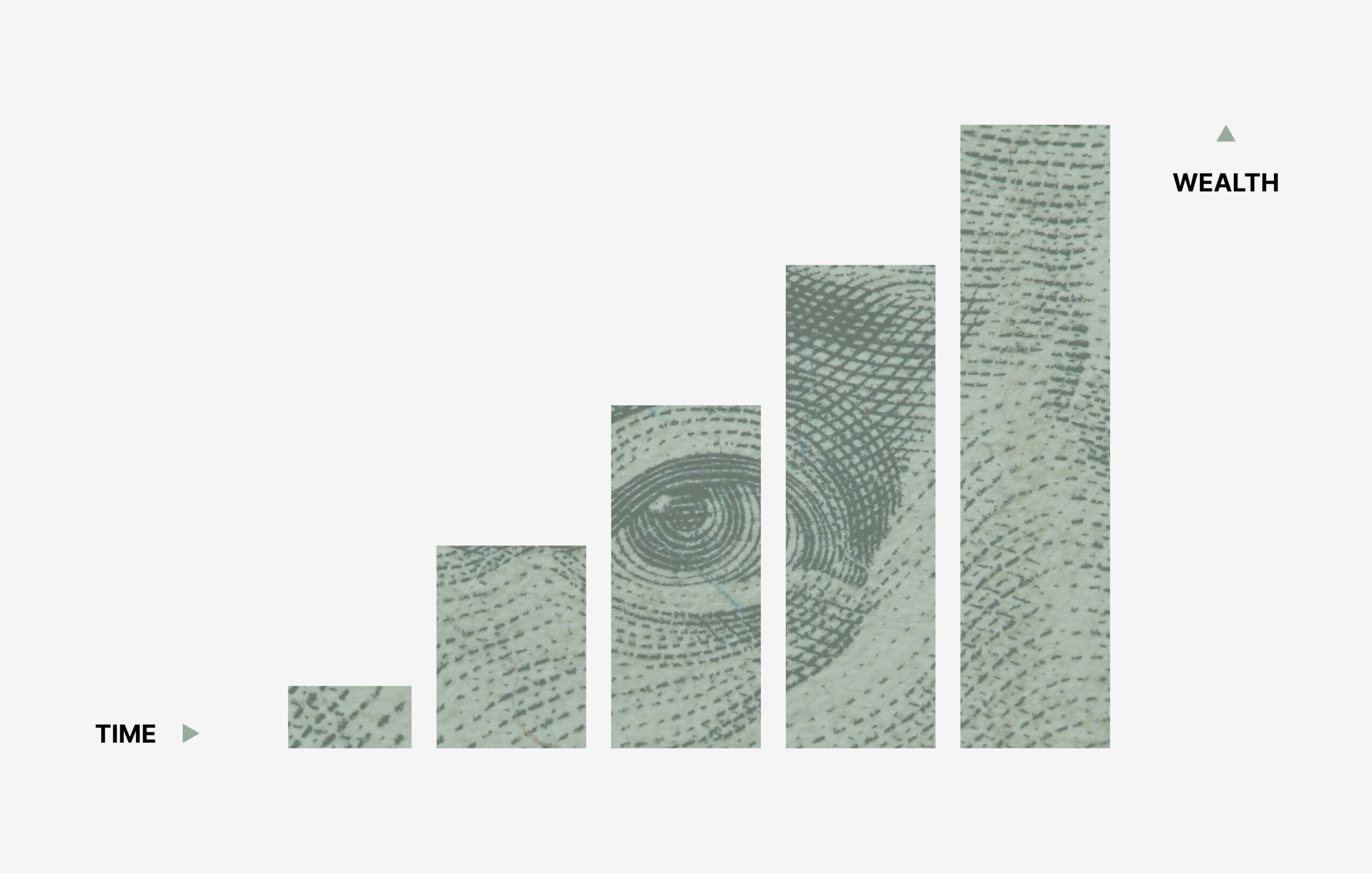
High Income vs. Wealth: One Pays Bills, the Other Buys Freedom
Most people believe the secret to financial success is simple: earn more money. Get a raise. Land a better job. Build a bigger business. And while earning more can absolutely make life easier, it often doesn’t deliver the freedom people expect.
This is where the confusion begins. High income and wealth are not the same thing. In fact, they operate on two completely different tracks. One helps you survive month to month. The other helps you sleep at night.
If you’ve ever wondered why some people earn six figures and still feel stressed, while others seem calm and secure without flashy lifestyles, the answer usually comes down to this distinction. Let’s break it down clearly, practically, and honestly.
What High Income Really Means
High income simply refers to how much money you earn on a regular basis. It’s the cash flowing into your life from active work or effort.
Common Sources of High Income
High income typically comes from activities that require your time, attention, or physical presence.
- Salaried jobs (doctors, executives, engineers)
- Hourly or commission-based work
- Self-employed businesses that depend on the owner
- Overtime, bonuses, or performance pay
There’s nothing wrong with high income. In fact, it’s often the starting point for building wealth. However, income alone doesn’t tell the full financial story.
The Hidden Weakness of Income
Income is powerful, but it’s also fragile. If you stop working, get sick, lose a client, or face layoffs, income can disappear almost instantly. That’s why relying solely on income creates pressure.
You’re only as secure as your next paycheck.
The Lifestyle Inflation Trap
One of the biggest reasons high-income earners don’t feel wealthy is lifestyle inflation. As income increases, expenses quietly rise alongside it.
How Lifestyle Inflation Shows Up
This doesn’t usually happen all at once. It sneaks in slowly.
- A nicer car after a raise
- A bigger home “because you can afford it now”
- More subscriptions, travel, dining out, and conveniences
- Higher expectations from family and friends
Before long, a higher income simply supports a higher-cost life. The stress remains, just wrapped in nicer packaging.
What Wealth Actually Is
Wealth is not about how much money you make. Wealth is about what you own and whether those things continue to provide value over time.
Wealth Is Ownership, Not Effort
At its core, wealth consists of assets that produce income, grow in value, or reduce future expenses — even when you’re not actively working.
That’s the key difference.
Wealth works in the background. Income requires constant motion.
Examples of Wealth: Assets That Produce Value Without Daily Involvement
To truly understand wealth, it helps to see real examples. These are assets that continue to provide value without requiring daily labor.
Rental Real Estate
Rental properties are a classic example of wealth. Once acquired and properly managed, they can generate consistent monthly income.
- Tenants pay rent
- Property may appreciate over time
- Tax advantages can offset income
While there is occasional oversight, the property earns whether or not the owner shows up daily.
Businesses That Don’t Require Daily Presence
A true asset-based business is one that can operate without the owner being involved in every decision.
- An online store with fulfillment handled by a team
- A trucking company with drivers and dispatchers
- A service business run by managers
When systems and people replace constant owner effort, the business becomes a wealth-producing asset.
Dividend-Paying Stocks and Funds
Stocks that pay dividends are another form of wealth. They generate regular income simply by being owned.
- No clocking in
- No client calls
- No physical effort
Over time, dividends can be reinvested, compounding the value of the asset.
Royalties and Intellectual Property
Books, music, software, patents, and digital products can all generate royalties long after the initial work is done.
This is wealth at its purest: effort upfront, value delivered repeatedly.
Equity Ownership
Equity in private companies, partnerships, or franchises can generate profits without daily involvement.
Ownership creates leverage. Effort alone does not.
The Core Differences Between Income and Wealth
Seeing income and wealth side by side makes the distinction crystal clear.
- Income depends on time; wealth buys time back
- Income stops when you stop; wealth continues
- Income is taxed annually; wealth is often tax-advantaged
- Income supports lifestyle; wealth supports freedom
Why High Income Without Wealth Is Risky
High income can create a false sense of security. It feels stable — until it isn’t.
Common Risks High Earners Face
- Job loss or industry changes
- Burnout or health issues
- Economic downturns
- Tax exposure with limited protection
Without assets in place, a high-income lifestyle can collapse quickly.
Why Wealth Buys Freedom
Freedom doesn’t come from luxury. It comes from options.
What Financial Freedom Really Looks Like
- Choosing when and how to work
- Saying no without fear
- Taking time off without financial panic
- Supporting family without stress
Wealth provides margin. Margin provides peace.
How High-Income Earners Accidentally Stay Broke
Many high earners never become wealthy because they confuse earning with owning.
Common Mistakes
- Upgrading lifestyle before buying assets
- Relying on future income instead of current ownership
- Delaying investing “until later”
- Overconfidence in job security
Without intention, income turns into consumption instead of capital.
Turning Income Into Wealth
The goal isn’t to stop earning money. The goal is to stop depending on earning money.
Practical Ways to Convert Income Into Wealth
- Buy assets before upgrading lifestyle
- Automate investing and saving
- Focus on ownership, not appearances
- Reinvest returns instead of spending them
Small, consistent moves compound into real freedom.
Real-Life Scenario: Two Different Paths
Imagine two people earning differently.
Person A earns $200,000 a year but spends nearly all of it maintaining a high-cost lifestyle. Person B earns $80,000 but consistently buys income-producing assets.
Ten years later, Person A still needs their job. Person B has options.
The difference wasn’t income. It was ownership.
Why This Matters More Than Ever
In today’s economy, relying solely on income is increasingly risky.
- Jobs are less stable
- Inflation erodes purchasing power
- Technology changes careers quickly
Wealth provides resilience when income alone cannot.
Frequently Asked Questions
Can you be wealthy without a high income?
Yes. Wealth is built through ownership and time. Many people with moderate incomes build significant wealth through consistent investing and asset accumulation.
Is high income bad?
Not at all. High income is a powerful tool when used intentionally. The danger comes from relying on it instead of converting it into assets.
What’s the fastest way to start building wealth?
Track your net worth, reduce unnecessary expenses, and begin acquiring assets that grow or produce income, even in small amounts.
Are retirement accounts considered wealth?
Yes. Retirement accounts are wealth-building tools because they grow over time and provide future income.
Do I need to be an investor to build wealth?
You don’t need to be an expert. You just need consistency, patience, and a focus on ownership over consumption.
Conclusion: Bills or Freedom — You Choose
High income can make life comfortable, but wealth is what makes life flexible.
Income pays bills. Wealth buys time, options, and peace of mind.
The good news is you don’t have to choose one or the other. You can earn well and build wealth — if you understand the difference and act intentionally.
Because at the end of the day, the goal isn’t just to make money. It’s to make money work for you.