How to Build Credit From Scratch: 10 Strategies That Work
Starting your credit journey can feel intimidating, especially if you have no credit history or are trying to rebuild after past financial challenges. But building credit from scratch is possible, and with the right strategies, you can make progress faster than you think. In this guide, we’ll share 10 proven strategies that work for beginners, plus bonus tips, so you can establish strong credit habits that last a lifetime.
Understanding Credit Basics
Before diving into strategies, it’s important to understand how credit works and why it matters.
What is Credit and a Credit Score?
Your credit is essentially a record of your borrowing and repayment history. Your credit score is a number, usually between 300 and 850, that summarizes this history. Lenders use your score to determine whether you’re a reliable borrower. Higher scores generally lead to better interest rates and loan approvals.
How Credit is Built
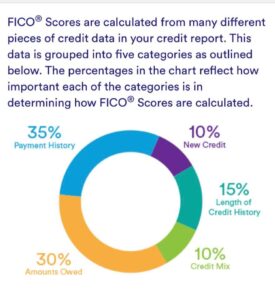
Credit is built through several factors:
- Payment history: Making on-time payments is the single most important factor.
- Credit utilization: How much of your available credit you’re using relative to your limits.
- Credit age: The length of your credit history.
- Credit mix: A combination of credit types, such as loans and credit cards.
Understanding these factors helps you make strategic decisions to build credit faster.
Apply for a Secured Credit Card
One of the fastest ways to start building credit is with a secured credit card. Unlike traditional cards, secured cards require a cash deposit that becomes your credit limit.
- Deposit-backed: You deposit a minimum amount (e.g., $100) that becomes your credit limit.
- Reports to all three credit bureaus: Ensures your on-time payments contribute to your credit history.
- Accessible for beginners: Easier approval even with no credit history.
For example, the SELF Secured Visa® Credit Card allows you to start building credit without a hard credit check, making it ideal for those new to credit.
Become an Authorized User
Being added as an authorized user on a family member or friend’s credit card can boost your credit quickly without you needing to apply for a card yourself.
- Your credit history is linked to the account, so positive payment history can improve your score.
- Choose someone responsible: Late payments on their account can negatively affect your credit.
- Great for beginners: You benefit from credit history without financial risk.
Open a Credit Builder Loan
Credit builder loans are designed specifically for individuals who want to establish or improve credit. The money you “borrow” is deposited into a locked account and paid back in installments.
- Reports to credit bureaus, helping you build history.
- Forced savings: At the end of the term, you receive the money saved minus any fees or interest.
- Example: The SELF Credit Builder Account offers terms ranging from $25 to $150 per month, combining credit building with savings.
Use a Student or Starter Credit Card
If you’re a student or new to credit, student or starter credit cards are tailored for beginners.
- Lower credit limits and APRs designed for limited credit history.
- Many cards offer educational resources to teach responsible credit habits.
- Example: Petal® 1 Visa® Credit Card is another option for beginners seeking an unsecured card with no credit history.
Pay All Bills On Time
Even bills that don’t normally report to credit bureaus, like utilities or phone bills, can impact your financial responsibility and may be reported through services like Experian Boost.
- Rent, utilities, and phone bills can sometimes be reported to bureaus.
- Automation ensures you never miss a due date.
- Consistent on-time payments demonstrate reliability to future lenders.
Keep Credit Utilization Low
Your credit utilization ratio is the percentage of your available credit you’re using. Keeping it low is one of the fastest ways to improve your score.
- Keep utilization below 30% by credit card (statement date): This ensures your reported balance is low, which positively impacts your credit score.
- Pay off balances monthly to maintain low utilization.
- Example: If your card limit is $500, keep your balance under $150.
Diversify Your Credit Mix
Having multiple types of credit can strengthen your credit profile.
- Types include credit cards, installment loans, auto loans, or student loans.
- A healthy mix demonstrates responsible credit management to lenders.
- Start gradually: Add new accounts only as you can responsibly manage them.
Monitor Your Credit Regularly
Monitoring your credit helps you track progress and spot errors early.
- Access free credit reports annually at AnnualCreditReport.com.
- Use monitoring tools to receive alerts for changes or errors.
- Dispute inaccuracies promptly to avoid unnecessary negative impact.
Avoid Hard Inquiries Whenever Possible
Every hard credit inquiry can temporarily lower your score, so apply strategically.
- Hard inquiry vs. soft inquiry: Only hard inquiries affect your score.
- Limit applications: Only apply for credit when necessary.
- Plan applications: Space them out to minimize impact.
Use Credit-Building Apps and Tools
Modern fintech apps make it easier to build credit responsibly.
- Apps like SELF report on-time payments automatically.
- Some apps provide analytics and guidance to improve credit faster.
- Encourages consistent payment habits and financial literacy.
Bonus: Use Third-Party Services to Report Rent and Bill Payments
You can build credit even if you don’t have traditional credit accounts by reporting rent and bills.
- Services like Experian Boost, RentTrack, or Rental Kharma report payments to credit bureaus.
- On-time rent, utilities, and phone payments can positively impact your score.
- Combining this with credit-building accounts accelerates credit growth.
Conclusion
Building credit from scratch is entirely possible with a structured approach and consistent habits. From secured credit cards and credit builder loans to responsible bill payments and modern reporting tools, there are multiple ways to establish a strong credit history. By applying these strategies thoughtfully, you can build credit fast, secure better financial opportunities, and create a foundation for long-term financial health.
FAQ
How long does it take to build credit from scratch?
It varies depending on the strategies used, but most beginners see measurable improvements within 3–6 months of consistent on-time payments and responsible credit use.
Can I build credit without a credit card?
Yes. Credit builder loans, rent reporting services, and apps like SELF allow you to build credit without a traditional credit card.
What is the easiest first credit account to get?
Secured credit cards and credit builder loans are typically the easiest for beginners or those with no credit history.
Will checking my own credit hurt my score?
No. Checking your own credit is a soft inquiry and does not impact your credit score.
Can I build credit fast if I start late?
Yes. Consistent, responsible credit use combined with reporting services and secured accounts can help you improve your score quickly, regardless of age or past credit history.
Are there risks to using credit builder loans or secured cards?
The main risk is missing payments, which can negatively impact your score. Additionally, some secured cards have fees and high APRs if you carry balances. Using these tools responsibly minimizes risk.