How to Make Money Renting Motorcycles to DMV Test Takers
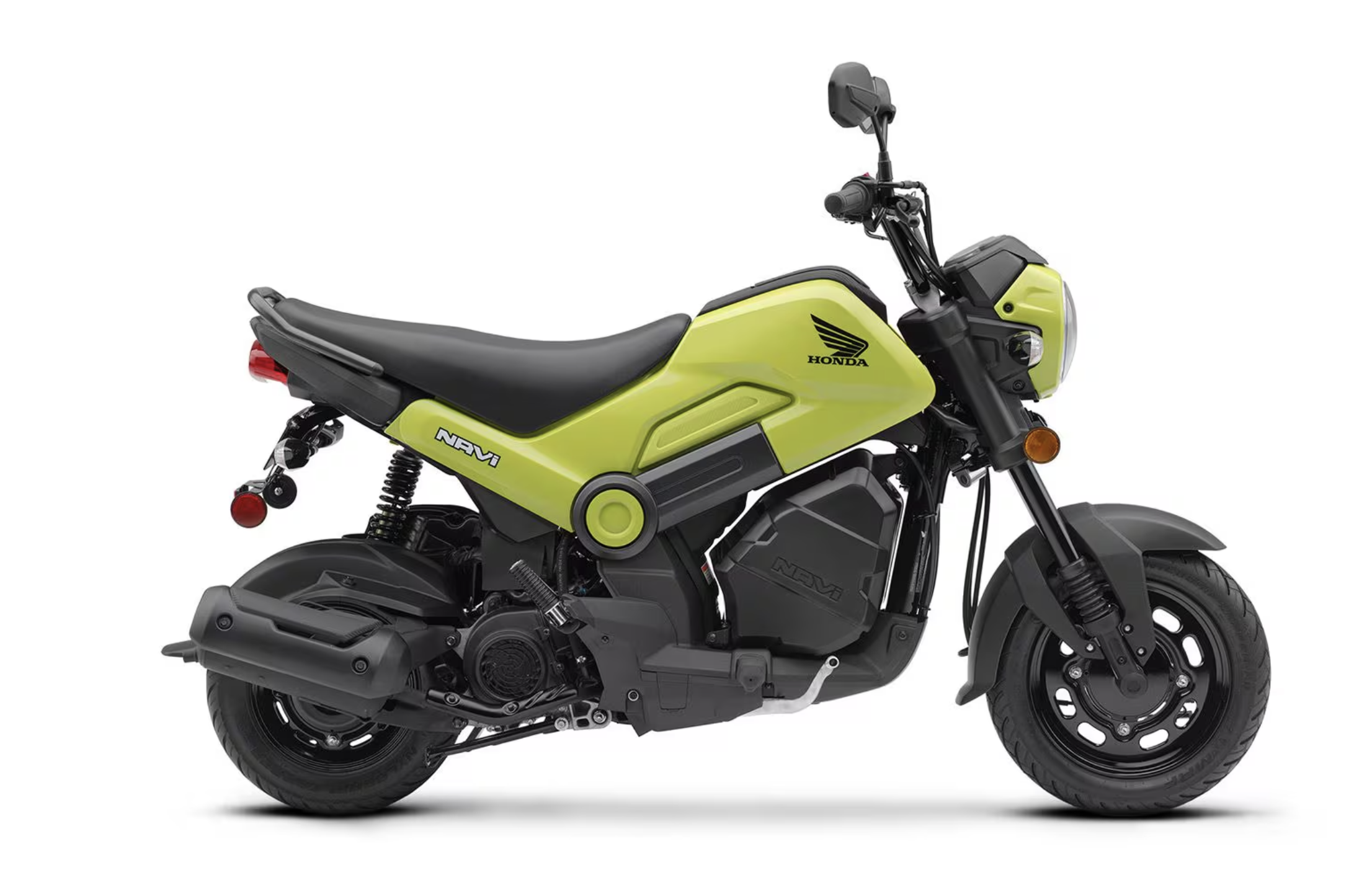
Imagine turning your motorcycle into a steady income stream while helping new riders gain confidence and pass their road tests. If you own a beginner-friendly bike like a Honda Navi, you could be sitting on a hidden money-making opportunity. Motorcycle rentals for DMV test takers are a niche yet profitable market that combines low startup costs, high demand, and the satisfaction of helping others achieve their goals.
In this guide, we’ll walk you through everything you need to know about starting a motorcycle rental business for DMV test takers—from choosing the right bike to marketing strategies, pricing, operations, and scaling your business. By the end, you’ll have a clear roadmap to turn your motorcycle into a reliable income source.
Why Motorcycle Rentals for Test Takers Is a Smart Idea
Many new riders don’t own a motorcycle, but they still need one to take their road test. That gap presents a unique opportunity for enterprising owners to rent out their bikes to learners. With proper planning and execution, this can become a lucrative side hustle or even a full-fledged business.
The Market Gap
Most DMVs don’t provide motorcycles for testing, and new riders often hesitate to purchase a bike before they even know if they’ll pass. A small, beginner-friendly rental can fill this void, offering learners a convenient and cost-effective solution.
Rising Demand
The number of motorcycle license applicants is growing each year, with beginners looking for affordable and safe ways to practice. By offering rentals for road tests, you tap into a consistent, recurring demand.
Low Competition
Unlike traditional motorcycle rentals aimed at tourists or experienced riders, this niche is largely underserved. Focusing on beginner riders and DMV test takers positions you as a go-to provider in your area.
Choosing the Right Motorcycle for Rentals
Not all motorcycles are suitable for DMV test rentals. Selecting the right model ensures that your customers have a safe, comfortable, and enjoyable experience while passing their tests.
Beginner-Friendly Bikes
- Honda Navi: Lightweight, easy to handle, fuel-efficient, and reliable.
- Honda Grom: Small, sporty, and perfect for urban test routes.
- Yamaha MT-03: Lightweight, smooth, and beginner-approved.
Key Features to Consider
Look for bikes that are light, easy to maneuver, and have a low seat height. Automatic or semi-automatic transmissions may appeal to complete beginners, while manual options suit those already comfortable with clutch control. Reliability is critical—your bikes should start every time without hiccups.
Safety and DMV Compliance
Ensure the bike meets DMV requirements for road tests, including working lights, mirrors, and brakes. A well-maintained, roadworthy bike not only protects renters but also builds trust and repeat business.
Legal and Insurance Considerations
Running a motorcycle rental business comes with legal responsibilities. Taking the proper precautions protects both you and your customers.
Insurance Requirements
Personal motorcycle insurance usually doesn’t cover commercial rentals. You’ll need commercial rental insurance or a specialized policy that covers your bikes while rented to the public. This safeguards you against accidents, theft, and damage.
Liability Waivers
Have renters sign waivers acknowledging the risks of riding. Include sections for helmet use, road rules, and acceptance of responsibility. This helps limit your liability in case of an accident.
Local Laws and Regulations
Check your state or local regulations regarding motorcycle rentals. Some areas may require permits, safety checks, or special registration for commercial rentals. Compliance ensures your business operates smoothly without legal interruptions.
Setting Your Rental Prices
Pricing your rentals correctly is essential to attract customers while ensuring profitability.
Hourly vs. Daily Rates
Consider offering both options:
- Test-Day Rental: 1–2 hours, typically $50–$75 per session.
- Practice Rental: 2–3 hours, $40–$60 per hour, ideal for learners who want extra practice before the test.
Optional Add-Ons
Upsell gear and training services to boost income:
- Helmet, gloves, jacket rental: $10–$20 per session
- Mini training session (15–30 minutes): $25–$50
Pricing Tips
Research local rates, consider your bike’s depreciation and insurance costs, and price competitively. Offering package deals for multiple practice sessions can encourage repeat business.
Marketing Your Motorcycle Rental Business
Even the best service won’t generate income without effective marketing. A strong marketing strategy ensures potential customers find you first.
Local Marketing
- Flyers at DMV offices and driving schools
- Community bulletin boards and local events
- Partnerships with motorcycle safety courses and instructors
Online Marketing
- Google Ads targeting keywords like “motorcycle rental for road test” or “practice motorcycle rental”
- Social media campaigns on Instagram, TikTok, or Facebook showcasing easy rides and practice tips
- SEO-optimized website with booking forms and clear service descriptions
Referral Programs
Encourage satisfied renters to refer friends with discounts or free add-ons. Partnering with local driving schools for package deals can also generate steady referrals.
Running Smooth Operations
Efficient operations keep your customers happy and your business profitable.
Bike Storage and Maintenance
Store motorcycles in a secure garage or shed. Schedule regular maintenance, oil changes, and tire checks to ensure reliability.
Booking and Payment Systems
Offer online booking for convenience, or accept in-person reservations. Use simple payment methods like PayPal, Venmo, or credit card processing.
Gear Management
Keep helmets, gloves, and jackets clean and organized. Make sure sizes are available for all renters.
Customer Service
Respond quickly to inquiries, handle scheduling flexibly, and be transparent about rules and policies. Happy customers lead to repeat business and referrals.
Safety Tips for Customers and Owners
Safety is paramount in motorcycle rentals. Protecting riders and yourself reduces risk and builds trust.
Mandatory Safety Gear
Require helmets, gloves, and jackets. Consider adding reflective vests for better visibility during practice rides.
Pre-Ride Checks
Before each rental, inspect brakes, tires, lights, and mirrors. Give renters a quick walkthrough of the bike’s controls.
Liability and Emergency Procedures
Have a clear plan for accidents, including emergency contacts and insurance information. Educate renters on how to handle minor issues safely.
How to Maximize Your Income
Once your business is running, there are several ways to increase earnings without immediately buying more bikes.
- Offer practice session packages to encourage multiple rentals.
- Partner with motorcycle schools or instructors to provide additional bikes for students.
- Seasonal promotions, like summer riding or holiday discounts, can attract more learners.
- Upsell gear, extended rental hours, or mini-training sessions.
Scaling Your Motorcycle Rental Business
When your initial setup is successful, it’s time to scale your business for bigger profits.
- Expand your fleet with multiple beginner-friendly motorcycles.
- Add premium or larger bikes for more experienced riders.
- Offer delivery/pickup services for test day convenience.
- Hire staff to help with maintenance, training, and customer service.
Real-Life Success Stories
Many entrepreneurs have turned simple motorcycle rentals into profitable side hustles. For example, one small-town business owner started with just two Honda Navis and charged $60 per DMV test rental. Within a year, they built a fleet of five bikes and added practice packages, earning over $40,000 annually. Stories like this demonstrate how a niche idea, combined with good marketing and reliable service, can grow into a substantial income stream.
Conclusion
Turning your motorcycle into a rental for DMV test takers is more than a creative side hustle—it’s a way to help new riders gain confidence, pass their tests, and enjoy the freedom of the open road. By selecting the right bike, covering insurance and legal requirements, marketing effectively, and focusing on safety, you can build a profitable business that grows over time. Start small, optimize your operations, and watch your motorcycle become a reliable source of income.
Frequently Asked Questions (FAQs)
Do I need special insurance to rent out my motorcycle?
Yes. Personal motorcycle insurance typically doesn’t cover commercial rentals. You’ll need commercial rental insurance to protect yourself and your bikes against accidents, theft, and damage while rented to the public.
What type of motorcycle is best for beginners?
Lightweight, low-seat motorcycles like the Honda Navi, Honda Grom, or Yamaha MT-03 are ideal. They are easy to handle, fuel-efficient, and provide a safe learning experience for new riders.
How much can I charge for a DMV test rental?
Hourly rates typically range from $40–$60 per hour for practice sessions, while test-day rentals (1–2 hours) can be priced between $50–$75. Offering add-ons like gear rental or mini-training can increase revenue.
Do I need to provide safety gear?
Yes, providing helmets, gloves, and jackets is highly recommended. Many renters will expect it, and it reduces liability risk while ensuring riders are protected.
Can I start with just one or two bikes?
Absolutely. Starting small allows you to test the market, streamline operations, and gradually expand your fleet as demand grows.
How do I attract customers?
Use a combination of local marketing (flyers, partnerships with driving schools), online advertising (Google Ads, social media), and word-of-mouth referrals. Offering practice packages or seasonal promotions can also boost bookings.