How to Become a Certified Drone Pilot and Start a High-Paying Side Business
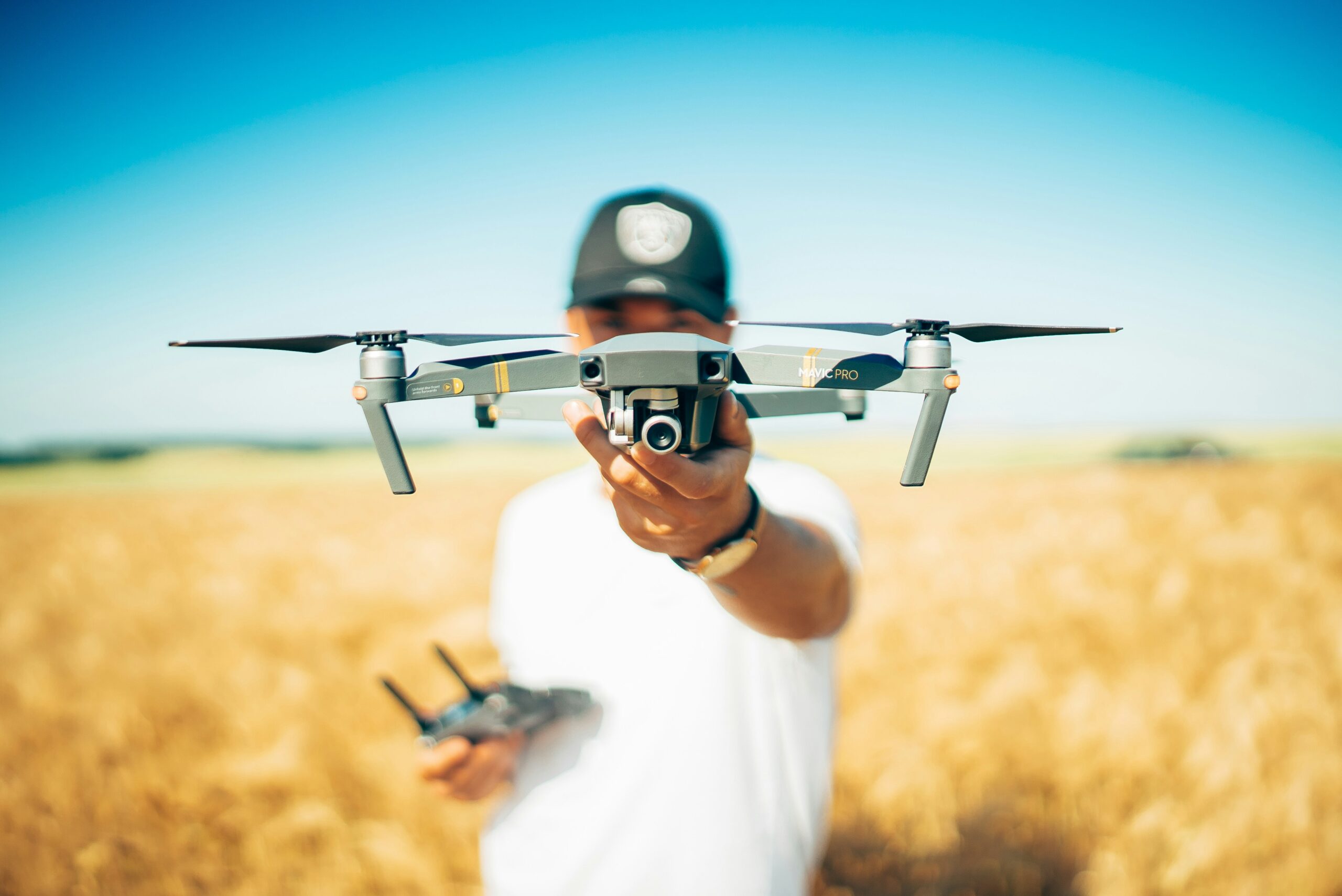
If you’ve ever looked up at a buzzing drone and thought, “That looks fun,” you’ll be happy to know you can actually make great money flying drones part-time. The drone industry has exploded in the past few years, offering flexible, high-paying opportunities for people who love technology, photography, or just the thrill of flight. Whether you’re looking for a side hustle or a stepping stone toward a full-time business, this guide will walk you through everything you need to know — from getting certified to finding your first paid gigs and launching your own drone brand.
Why Becoming a Drone Pilot is a Smart Career Move in 2025
The drone industry isn’t just a passing trend — it’s a global movement reshaping industries from construction and real estate to agriculture and entertainment. In 2025, drone technology continues to advance rapidly, and companies are eager to hire certified pilots who can capture aerial data, inspect properties, or shoot cinematic footage.
According to the Federal Aviation Administration (FAA), there are over 350,000 certified drone pilots in the U.S., and that number keeps growing. Yet, demand still outpaces supply in many markets. The best part? You can get started part-time and scale up at your own pace.
Most entry-level drone pilots earn between $25–$75 per hour, while skilled specialists in areas like mapping, surveying, and cinematography can command $100–$200 per hour. Whether you’re filming luxury homes or inspecting wind turbines, drones offer an exciting blend of creativity and technical skill that pays off.
Understanding the FAA Part 107 Certification (Your Ticket to Getting Paid)
Before you can legally earn money flying drones in the U.S., you need to pass the FAA Part 107 exam and become a certified Remote Pilot. Think of this as your drone driver’s license — it ensures you understand the rules of the sky and can fly safely and responsibly.
What is the FAA Part 107 Certificate?
The FAA Part 107 Remote Pilot Certificate allows you to operate small drones (under 55 lbs) for commercial purposes. Whether you’re shooting a wedding, inspecting a roof, or selling aerial footage, this certification is a must.
Eligibility Requirements
- Be at least 16 years old
- Read, speak, write, and understand English
- Be physically and mentally fit to fly safely
- Pass the FAA Aeronautical Knowledge Test at an approved testing center
Costs and Renewal
The test costs around $175 and can be taken at any PSI testing center nationwide. Once you pass, your certificate is valid for two years, and you can renew it online by passing a free recurrent training course through the FAA.
How to Study for and Pass the FAA Part 107 Exam
The Part 107 exam isn’t overly difficult, but it covers a range of topics that are unfamiliar to most new pilots. The key is consistent preparation and using the right study materials.
What’s on the Exam?
- Airspace classification and flight restrictions
- Sectional charts (aviation maps)
- Weather patterns and reports (METARs and TAFs)
- Drone performance and weight management
- Emergency procedures and crew responsibilities
- FAA rules and regulations for UAS (Unmanned Aircraft Systems)
Study Tips for Success
Start by setting aside one to two hours a day for 10–14 days. Many new pilots pass the test after 15–20 hours of total study time. Here’s how to make it easier:
- Use an online prep course – Platforms like Pilot Institute, Drone Launch Academy, or RemotePilot101 provide structured lessons and practice tests.
- Watch free YouTube tutorials – Instructors like Greg Reverdiau and Tony Northrup simplify FAA concepts visually.
- Take practice exams – The real test questions are very similar to those found in official FAA practice tests.
- Learn to read sectional charts – This is where most test-takers struggle, so spend extra time understanding airspace classes and symbols.
When test day arrives, stay calm, read each question carefully, and flag any you’re unsure about. You have two hours to complete 60 multiple-choice questions, and you only need 70% (42 correct) to pass.
Drone Pilot Jobs You Can Land After Getting Certified
Once you’re certified, the sky’s the limit — literally. There’s an entire world of industries looking for skilled drone operators. Here are some of the most common and lucrative opportunities:
- Real Estate Photography – Capture breathtaking aerial views of homes, commercial buildings, and land plots. Many realtors pay $150–$400 per session.
- Construction and Surveying – Help companies map job sites, measure stockpiles, and track project progress using drone mapping software.
- Roof and Infrastructure Inspections – Insurance and roofing companies often hire drone pilots to inspect damage safely and efficiently.
- Event and Wedding Videography – Combine your flying skills with storytelling to produce unforgettable footage for clients.
- Agricultural Monitoring – Use drones with sensors to assess crop health and irrigation patterns, saving farmers time and money.
Each of these fields can be done on a part-time or freelance basis. You can build a portfolio over weekends and gradually scale into a steady source of income.
Freelance Drone Gigs You Can Start Right Now
You don’t have to wait for a big company to hire you — plenty of pilots start out freelancing and make money right away. All you need is your certification, your drone, and a bit of marketing know-how.
Where to Find Freelance Drone Gigs
- Local real estate agents often need property shots for listings.
- Roofing and solar companies need drone footage for estimates and progress reports.
- Event organizers hire drone pilots for outdoor events, sports, and concerts.
- Stock footage sites like Shutterstock and Pond5 allow you to sell your aerial videos.
- Freelance platforms such as Upwork, Fiverr, and Thumbtack can connect you with clients worldwide.
How to Price Your Services
Start small and raise your rates as you gain experience. For example, charge $100 for a short real estate shoot or $50 per inspection. Once you’ve built a portfolio, move toward $200–$400 per session. Always factor in battery life, travel time, and editing hours when setting prices.
Pro Tip:
Offer a quick turnaround (24–48 hours) and high-quality edited footage. Clients love reliability, and consistent delivery will help you build repeat business quickly.
How to Start Your Own Drone Business (Even If It’s Just You)
Turning your drone flying into a legitimate business might sound intimidating, but it’s easier than most think. You can start small and grow steadily while keeping your full-time job or other commitments.
Steps to Launch Your Drone Business
- Pick Your Niche: Decide what kind of drone work you want to focus on — real estate, inspections, or creative videography.
- Form a Legal Business: Register an LLC, get an EIN, and open a business bank account.
- Get Drone Insurance: Protect yourself and your clients with policies from SkyWatch.AI or Verifly.
- Build Your Online Presence: Create a simple website with your services, contact info, and sample videos.
- Market Yourself: Reach out to local businesses, post your work on social media, and network in drone or real estate groups.
Scaling for the Future
Once you’re established, you can scale by adding new services like thermal imaging or 3D mapping. You can even hire other certified pilots and grow into a small agency. Many part-time drone operators eventually replace their full-time income within a year or two.
The Gear You’ll Need to Get Started
You don’t have to spend thousands on equipment to start making money. A reliable, mid-range drone with a good camera is all you need initially.
- Best Starter Drones: DJI Mini 4 Pro, DJI Air 3, or Autel Evo Nano+
- Essential Accessories: Extra batteries, ND filters, SD cards, and a landing pad
- Editing Software: DaVinci Resolve, Adobe Premiere Pro, or Final Cut Pro
Always log your flights and perform pre-flight inspections to ensure your equipment stays in top condition. Maintenance and professionalism are key to client trust.
Real-World Tips from Successful Drone Pilots
Sometimes, the best lessons come from those already doing it. Here are some real-world insights that experienced drone pilots swear by:
- Fly often: Practice different lighting conditions, altitudes, and camera angles.
- Stay compliant: Always check airspace restrictions and use apps like B4UFLY or Aloft before each flight.
- Invest in relationships: Most business comes from word-of-mouth. Treat every client like your best one.
- Keep learning: Drone technology evolves quickly — stay ahead with new skills like photogrammetry or LiDAR scanning.
Conclusion: Ready to Take Off?
Becoming a certified drone pilot is one of the most rewarding and flexible ways to earn extra income in today’s digital world. With a small investment in training, a bit of practice, and a willingness to hustle, you can turn your passion for flying into a profitable part-time career — or even a full-fledged business. The sky isn’t the limit anymore — it’s your office.
FAQs About Starting a Drone Pilot Career
How long does it take to get FAA certified?
Most people can study and pass the Part 107 exam within two to three weeks. Once you pass, your certificate usually arrives in 1–2 months.
What’s the best drone for beginners?
The DJI Mini 4 Pro is a great starter drone — lightweight, easy to fly, and equipped with a 4K camera perfect for professional work.
Can I make full-time income flying drones?
Absolutely. Many drone pilots earn $50,000–$100,000 per year once they build a client base. However, starting part-time is a great way to test the market and gain experience.
Do I need special permission to fly at night?
Yes, but it’s easier now. You can fly at night if your drone has anti-collision lights and you’ve completed the updated FAA recurrent training covering nighttime operations.
Is drone insurance required?
It’s not legally required, but it’s highly recommended. Most commercial clients won’t hire you without proof of liability coverage.