If you’ve ever dreamed of owning a fast-food franchise, the idea of starting with just $10,000 sounds almost too good to be true. Chick-fil-A and Steak ‘n Shake both advertise this low entry fee, but what does it really mean? In this comprehensive guide, we’ll delve into the details of these franchise opportunities, uncovering the real costs, commitments, and potential rewards.
Understanding the $10K Franchise Concept
What $10K Actually Means
The $10,000 figure often cited is typically the initial franchise fee. This fee grants you the right to operate under the brand’s name but doesn’t cover the full cost of opening a restaurant. Additional expenses, such as real estate, equipment, inventory, and working capital, can significantly increase the total investment required.
Common Misconceptions
Many prospective franchisees assume that a low entry fee equates to low overall costs. However, the initial fee is just one component. Ongoing royalties, marketing fees, and operational expenses can add up quickly. It’s essential to consider the full financial picture before committing.
Chick-fil-A: High Entry Barriers and Operational Demands
How Chick-fil-A’s Franchise Model Works
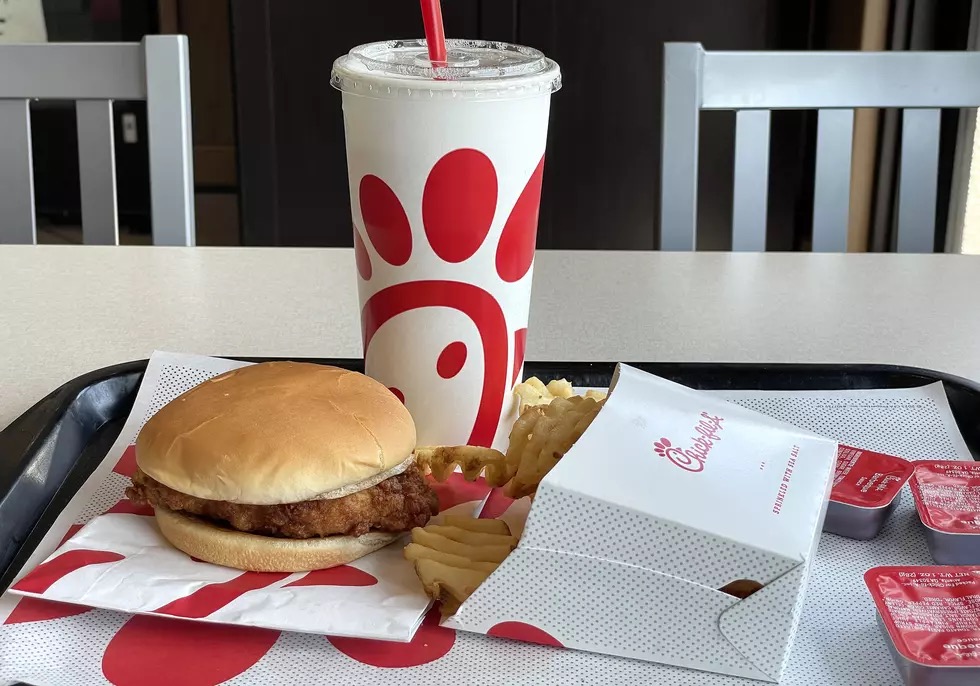
Chick-fil-A’s $10,000 franchise fee is one of the lowest in the industry. However, the company retains ownership of the restaurant’s real estate, equipment, and infrastructure, leasing them to the franchisee. Franchisees are responsible for operational costs, including staffing, inventory, and marketing.
Costs Beyond the Initial Fee
In addition to the initial franchise fee, franchisees are subject to:
-
15% royalty fee on gross sales
-
50% share of pre-tax profits
-
Lease payments for the restaurant space, typically capped at 6% of sales
These financial obligations can significantly impact profitability.
Operational Commitment
Chick-fil-A requires franchisees to be full-time, hands-on operators. Absentee ownership is not permitted. The selection process is highly competitive, with approximately 60,000 applicants annually and only about 80 selected. Moreover, franchisees cannot sell or transfer their business, and Chick-fil-A retains the right to terminate franchise agreements without cause.
Pros and Cons
Pros:
-
Low initial franchise fee
-
Strong brand recognition and customer loyalty
-
Comprehensive training and support
Cons:
-
Shared profits and high ongoing fees
-
Limited control and ownership
-
Intense selection process and operational demands
Steak ‘n Shake: Dual Franchise Models with Varying Costs
Franchise Partnership Model
Steak ‘n Shake offers a $10,000 franchise partnership model. In this arrangement, franchisees invest $10,000 to operate a restaurant, earning 50% of the net profits. However, this model does not grant full ownership; the company retains control over the business. Franchisees are required to be full-time, hands-on operators.
Traditional Franchise Model
For those seeking full ownership, Steak ‘n Shake offers a traditional franchise model. The total investment required ranges from $316,000 to $2,695,000, depending on factors like location and restaurant type. This model includes ownership rights and the ability to sell or transfer the business.
Operational Demands
Both franchise models require active daily involvement. Franchisees must manage staffing, inventory, and customer service to ensure the success of the business.
Pros and Cons
Pros:
-
Lower entry cost for the partnership model
-
Full ownership option available
-
Established brand with a loyal customer base
Cons:
-
Partnership model offers limited control and no equity
-
High total investment for the traditional model
-
Significant time commitment required
Comparing Chick-fil-A and Steak ‘n Shake $10K Options
| Feature | Chick-fil-A | Steak ‘n Shake (Partnership) |
|---|---|---|
| Initial Fee | $10,000 | $10,000 |
| Ownership | No full ownership | No full ownership |
| Profit Sharing | 50% of pre-tax profits | 50% of net profits |
| Royalty Fees | 15% of gross sales | Not specified |
| Operational Role | Full-time, hands-on | Full-time, hands-on |
| Transferability | Not allowed | Not allowed |
| Total Investment | $427,000 – $2.34 million | $316,000 – $2.7 million |
Key Takeaways Before Investing
-
Equity Ownership: Neither franchise model offers full ownership in the traditional sense. Chick-fil-A retains ownership of the restaurant’s assets, while Steak ‘n Shake’s partnership model operates on a profit-sharing basis.
-
Operational Commitment: Both franchises require a significant time commitment. Chick-fil-A mandates full-time, hands-on management, while Steak ‘n Shake’s partnership model also expects active daily involvement.
-
Financial Obligations: Beyond the initial fees, both franchises involve ongoing financial obligations, including royalty fees and operational costs.
-
Selection Process: The application and selection process for both franchises is highly competitive, with strict criteria and limited openings.
Tips for Prospective Franchisees
-
Research Thoroughly: Understand the full scope of financial commitments and operational demands involved.
-
Evaluate Personal Fit: Assess whether the franchise’s requirements align with your personal and financial goals.
-
Seek Advice: Consult with existing franchisees and industry experts to gain insights into the business.
-
Consider Alternatives: Explore other franchise opportunities that may offer better alignment with your objectives.
Conclusion
While the $10,000 franchise fee for both Chick-fil-A and Steak ‘n Shake may seem appealing, it’s crucial to understand the full scope of financial commitments and operational demands involved. These opportunities are best suited for individuals seeking active involvement in the business and willing to navigate the complexities of franchise ownership. Prospective franchisees should thoroughly research and consider all aspects before making a decision.
FAQ Section
Q1: Can I own a Chick-fil-A restaurant outright for $10K?
No, the $10,000 fee grants you the right to operate under the Chick-fil-A brand, but the company retains ownership of the restaurant’s assets.
Q2: What’s the difference between Steak ‘n Shake’s partnership and traditional franchise?
The partnership model requires a $10,000 investment and offers 50% of net profits, but no ownership rights. The traditional franchise model requires a higher investment and grants full ownership.
Q3: Are these $10K franchises suitable for passive investors?
No, both franchises require full-time, hands-on involvement in daily operations.
Q4: What other costs should I expect beyond the franchise fee?
Additional costs include real estate, equipment, inventory, staffing, marketing, and ongoing royalty or profit-sharing fees.
Q5: How competitive is the application process for these franchises?
The application process is highly competitive, with many applicants vying for a limited number of openings.
Bonus: 3 Other Low-Cost Fast Food Franchises
If you’re considering other affordable franchise opportunities, here are three options with realistic startup costs:
1. Chester’s Chicken
-
Franchise Fee: $3,500
-
Total Investment: $27,000 – $296,000
-
Overview: Chester’s Chicken specializes in fried chicken and offers a flexible business model, including non-traditional locations like convenience stores and airports.
2. Taco Bell Express
-
Franchise Fee: $25,000
-
Total Investment: $175,000 – $300,000
-
Overview: Taco Bell Express is a scaled-down version of the traditional Taco Bell, ideal for high-traffic areas with limited space.
3. Freddy’s Frozen Custard & Steakburgers
-
Franchise Fee: $25,000
-
Total Investment: $640,000 – $1.89 million
-
Overview: Freddy’s offers a unique blend of frozen custard and steakburgers, with a focus on quality and customer service.