10 BEST INVESTING BOOKS IN 2025
Investing can sometimes feel like navigating a maze. With so many options, strategies, and market shifts, having the right resources is crucial for success. In 2025, many new and insightful investing books have emerged, offering fresh perspectives and timeless wisdom. Whether you’re a seasoned investor or just starting your journey, these books will enlighten you, cultivate your understanding, and guide your investment decisions. Let’s dive into the ten best investing books of 2025 that you should consider adding to your reading list.
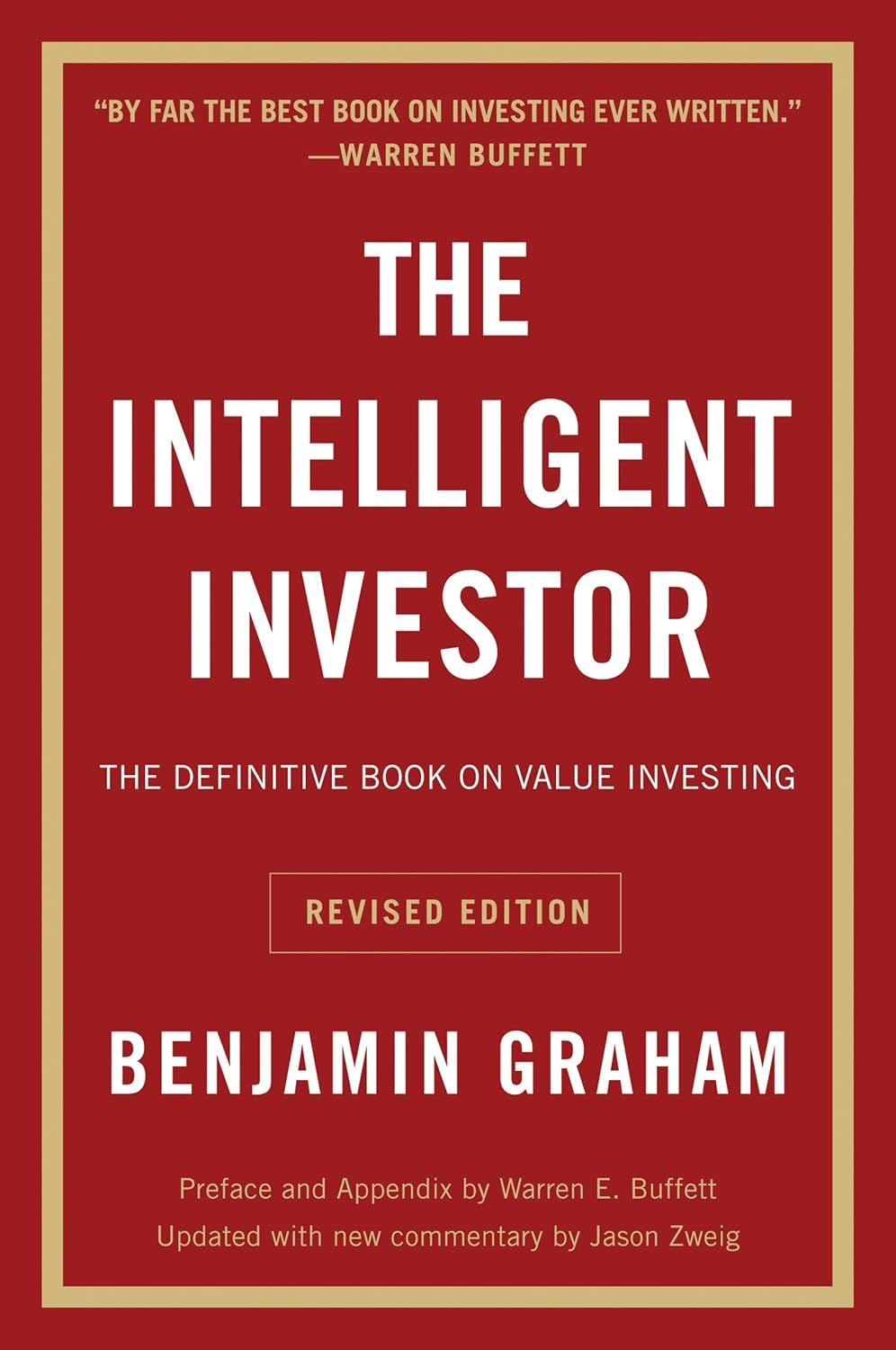
THE INTELLIGENT INVESTOR REVISITED BY BENJAMIN GRAHAM AND JASON ZWEIG
First on our list is a classic with a modern twist. “The Intelligent Investor Revisited” brings Benjamin Graham’s timeless principles into the contemporary investing landscape. Co-authored by financial journalist Jason Zweig, this book emphasizes the importance of a value investing approach. It teaches readers how to analyze stocks, manage risk, and cultivate a long-term investment mindset. With real-world examples and updated insights, this book is a must-read for anyone looking to strengthen their investment strategy.
THE SIMPLE PATH TO WEALTH BY JL COLLINS
Next up, we have “The Simple Path to Wealth” by JL Collins. This book is perfect for those who prefer a straightforward approach to investing. Collins shares his wisdom on achieving financial independence through smart investing in low-cost index funds. He breaks down complex concepts into easily digestible pieces, making it accessible for beginners. With practical advice and a focus on living below your means, this book encourages readers to take control of their financial future.
THE BATTLE FOR THE SOUL OF CAPITALISM BY JOHN C. BOGLE
In “The Battle for the Soul of Capitalism,” John C. Bogle, founder of Vanguard, argues for a return to the core principles of investing that prioritize the investor’s interests. Bogle critiques excessive speculation and advocates for sustainable investing practices. His insights on the importance of low-cost investing resonate now more than ever. This book challenges conventional wisdom and encourages readers to adopt a long-term perspective, making it an essential read for anyone concerned about the future of investing.
RICH DAD’S GUIDE TO INVESTING BY ROBERT KIYOSAKI
Robert Kiyosaki’s “Rich Dad’s Guide to Investing” focuses on the mindset and financial education necessary for successful investing. Kiyosaki emphasizes the importance of understanding the difference between assets and liabilities and encourages readers to think like investors. This book is packed with practical lessons and real-life stories, offering a unique perspective on building wealth. Kiyosaki’s engaging writing style makes complex financial concepts relatable, making it a valuable addition to your investing library.
THE INVESTMENT ANSWER BY GORDON MURRAY
“The Investment Answer” by Gordon Murray combines sound investing principles with practical advice. This book is structured as a conversation between Murray and his financial advisor, making it feel personal and engaging. Readers will learn about the importance of asset allocation, diversification, and the impact of fees on investment returns. Murray’s straightforward guidance empowers readers to make informed decisions and build a solid investment portfolio.
HOW TO INVEST IN REAL ESTATE BY JAMES A. HARRIS
For those interested in real estate, “How to Invest in Real Estate” by James A. Harris offers a comprehensive guide. Harris shares his expertise on various real estate investment strategies, from rental properties to flipping houses. With practical tips and a clear roadmap, this book enables readers to navigate the real estate market confidently. Whether you’re a novice or an experienced investor, Harris provides valuable insights that can help you maximize your returns in real estate.
THE LITTLE BOOK OF COMMON SENSE INVESTING BY JOHN C. BOGLE
Another gem from John C. Bogle, “The Little Book of Common Sense Investing,” simplifies the art of investing. Bogle advocates for a low-cost, passive investing approach, emphasizing the importance of index funds. This book provides a solid foundation for understanding market trends and the benefits of long-term investing. Bogle’s clear, concise writing style makes it easy for readers to grasp essential investment concepts, making it a must-read for both beginners and seasoned investors.
THE DOLLAR CRASH BY LARRY EPSTEIN
In “The Dollar Crash,” Larry Epstein explores the potential consequences of economic instability on the dollar and global markets. He provides a thorough analysis of current economic trends and offers strategies for protecting your investments during turbulent times. Epstein’s insights are crucial for anyone looking to safeguard their portfolio against economic downturns. This book equips readers with knowledge and strategies to navigate an uncertain investment landscape.
THE ART OF INVESTING BY AMY K. SMITH
“The Art of Investing” by Amy K. Smith combines practical investment strategies with a deep understanding of behavioral finance. Smith delves into the psychology behind investment decisions and how emotions can impact financial choices. This book encourages readers to develop a disciplined investment mindset while providing actionable tips for building a successful portfolio. Smith’s engaging writing style makes complex concepts relatable, ensuring that readers can apply her insights effectively.
INVESTING FOR THE FUTURE BY SARAH J. BAKER
Last but not least, “Investing for the Future” by Sarah J. Baker focuses on sustainable and ethical investing. In an age where social responsibility is paramount, Baker emphasizes the importance of aligning your investments with your values. This book offers practical advice on how to invest in companies that promote environmental sustainability and social justice. Baker’s insights are not just relevant; they’re essential for investors looking to make a positive impact while building wealth.
CONCLUSION
In 2025, the world of investing continues to evolve, and these ten books provide invaluable knowledge for investors of all levels. From classic principles to modern strategies, each book offers unique insights that can help you navigate the complexities of investing. By incorporating the lessons from these authors into your investment strategy, you can enhance your understanding of the market and make more informed decisions. Remember, investing is a journey, and the right resources can make all the difference in achieving your financial goals.
FREQUENTLY ASKED QUESTIONS
What are some characteristics of a good investing book?
A good investing book should offer clear, actionable advice that is backed by research and real-life examples. It should present complex concepts in an accessible manner and encourage readers to think critically about their investment strategies. Additionally, a book that includes personal stories or case studies can help illustrate the author’s points and make the material more relatable.
Are these investing books suitable for beginners?
Yes, many of the books listed cater to both beginners and seasoned investors. They break down complex financial concepts and provide practical advice that can be applied regardless of your current knowledge level. Whether you are just starting or looking to enhance your skills, these books offer valuable insights.
How can I choose the right investing book for me?
Consider your current knowledge level, investment goals, and preferred investment style when selecting a book. If you’re a beginner, look for books that simplify concepts and offer foundational knowledge. If you’re more experienced, seek out books that delve into advanced strategies or niche areas of investing.
Can I still benefit from these books if I don’t have a lot of money to invest?
Absolutely! Many of these books emphasize the importance of mindset, financial education, and long-term strategies. You can apply the principles discussed even if you have a limited budget. The focus should be on building good financial habits and making informed decisions, regardless of your initial investment capital.
How often should I read investment books?
Continuous learning is essential in the ever-changing world of investing. It’s a good practice to read investment books regularly, whether it’s a few times a year or as you encounter new challenges in your investment journey. Diversifying your reading materials can also provide broader perspectives and enhance your investment knowledge.